CM Nitish Kumar Pushes Bihar Bridge Quality Checks, Better Connectivity
Synopsis
Bihar Chief Minister Nitish Kumar has directed improved connectivity to tourism sites, cultural heritage zones, industrial corridors, and special agricultural areas, and ordered regular inspections of bridge quality and structural strength across the state.
Key Takeaways
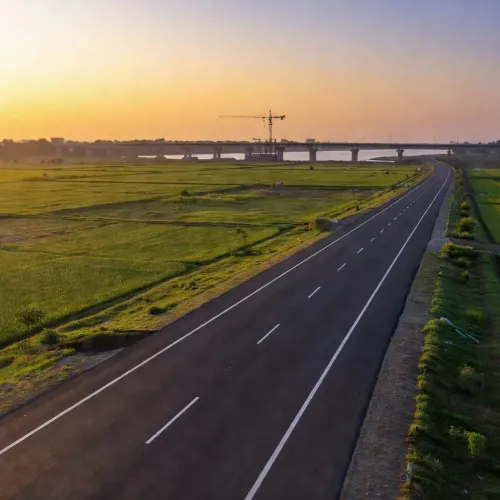
CM Nitish Kumar directed better connectivity for Bihar 's tourism spots, cultural heritage sites, industrial corridors, special agricultural production zones, and key markets.
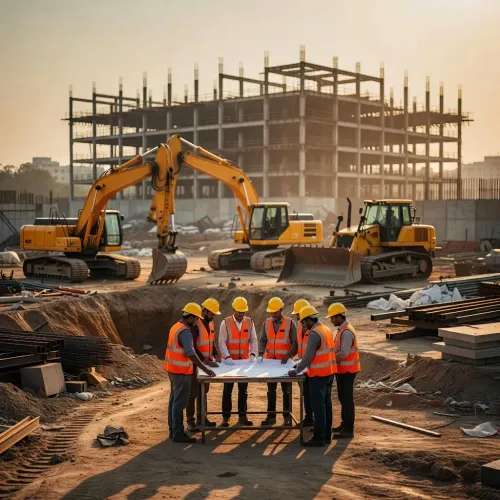
He separately ordered regular quality and strength inspections of bridges across the state.
The directives were shared officially by the Chief Minister's Office of Bihar on 26 May 2026 .
Bihar's bridge-building focus dates to 2005 , anchored by programmes such as the Mukhya Mantri Setu Nirman Yojana .
Key beneficiaries include tourism operators , farmers in agricultural zones, and industrial units along designated corridors.
Bridge inspection outcomes and project timelines for new connectivity links remain the critical next steps to watch.
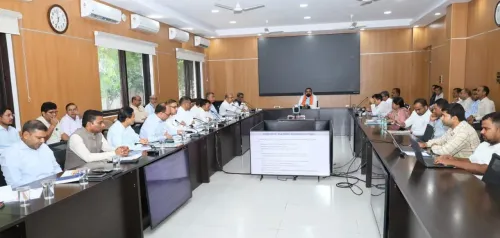
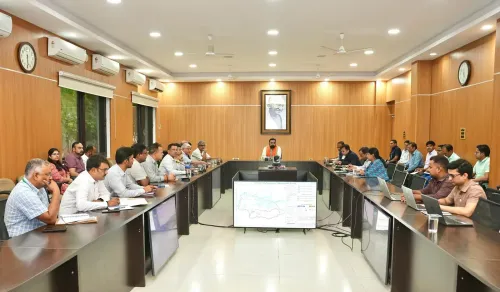
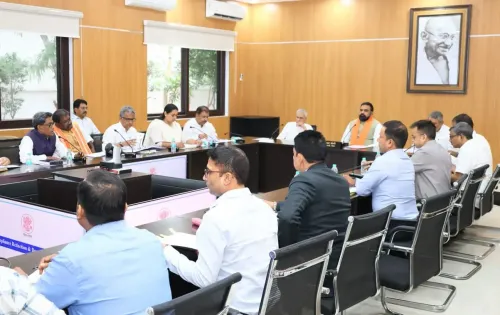
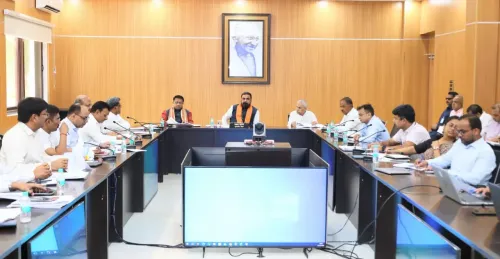
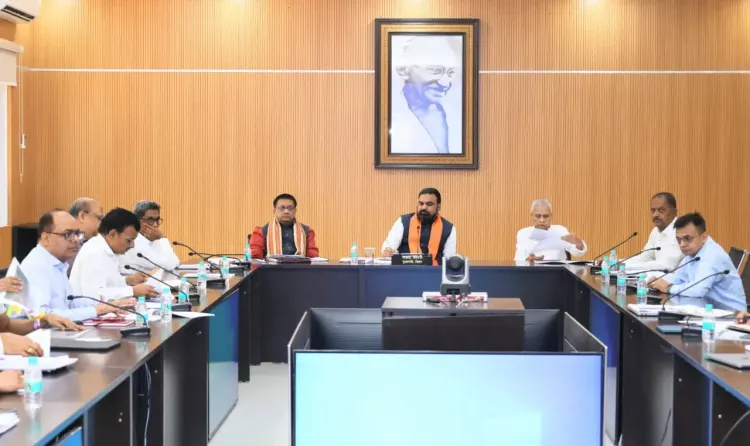
The Chief Minister's Office of Bihar on Tuesday, 26 May 2026, shared directives issued by Chief Minister Nitish Kumar emphasising improved connectivity to the state's tourism sites, cultural heritage zones, industrial corridors, special agricultural production areas, and key markets, while also ordering regular quality and strength inspections of bridges across Bihar.
Context
The post, shared from the official CMO Bihar account, relayed two distinct directives. First, the Chief Minister stressed the need to provide 'better connectivity' — behtar connectivity — to tourism spots, cultural heritage sites, industrial corridors, special agricultural production zones, and important markets. Second, he directed that the quality and structural strength of bridges be subjected to regular inspections.
The original post reads: 'राज्य के पर्यटन स्थलों, सांस्कृतिक विरासतों, औद्योगिक कॉरिडोर, विशेष कृषि उत्पादन क्षेत्रों एवं महत्वपूर्ण बाजारों को बेहतर कनेक्टिविटी प्रदान करने पर जोर दिया' — meaning emphasis was placed on providing better connectivity to the state's tourism destinations, cultural heritage sites, industrial corridors, special agricultural production zones, and important markets.
Policy Backdrop
Bihar's focus on bridge and road infrastructure dates to 2005, when Nitish Kumar first assumed office and launched successive connectivity drives. The Mukhya Mantri Setu Nirman Yojana was among the flagship programmes aimed at linking rural, agricultural, and tourist areas through bridge construction.
The renewed stress on bridge quality inspections fits a pattern visible across Bihar's infrastructure governance, where periodic structural failures have prompted the state administration to revisit maintenance and inspection protocols. The approach aligns broadly with national corridor-development priorities under programmes such as Bharatmala, which emphasise both new asset creation and upkeep of existing infrastructure.
Stakeholders and Impact
Tourism operators stand to benefit from improved road and bridge connectivity to heritage and pilgrimage sites across the state. Bihar hosts significant Buddhist, Hindu, and Jain heritage sites — including Bodh Gaya, Nalanda, and Vaishali — whose visitor accessibility depends heavily on last-mile road links.
Farmers in special agricultural production zones and industrial units along designated corridors are the other primary beneficiaries. Better connectivity reduces logistics costs and time, directly affecting produce prices and industrial competitiveness. The directive on bridge inspections adds a safety and reliability dimension that underpins all these economic activities.
What's Next
The key indicators to watch are the rollout of specific project timelines for connectivity links to agricultural and industrial zones, and whether the state government publishes outcomes or reports from the bridge inspection drives. A structured inspection calendar with publicly reported findings would mark a step beyond prior announcements in this domain.
If the connectivity directives translate into tendered projects, they could attract investment from both state agencies and private logistics operators, reinforcing Bihar's broader infrastructure-led growth narrative ahead of future development cycles.
Point of View
And periodic inspection mandates serve to reassert administrative control over asset quality. Connecting special agricultural production zones and industrial corridors to better road and bridge networks also fits a broader state strategy of positioning Bihar as investment-ready. Taken together, these directives suggest the administration is attempting to address both the optics of safety and the substance of economic connectivity simultaneously.
NationPress
11 Oct 2026
Frequently Asked Questions
What did Bihar CM Nitish Kumar direct regarding bridges?
CM Nitish Kumar directed that the quality and structural strength of bridges across Bihar be subjected to regular inspections to ensure safety and reliability.
Which areas will get better connectivity under Bihar CM's new directive?
The directive focuses on improving connectivity to Bihar's tourism destinations, cultural heritage sites, industrial corridors, special agricultural production zones, and important markets.
What is the Mukhya Mantri Setu Nirman Yojana in Bihar?
The Mukhya Mantri Setu Nirman Yojana is a Bihar state scheme launched under Nitish Kumar's government to fund bridge construction linking rural, agricultural, and tourist areas.
Why does Bihar focus so much on bridge and road infrastructure?
Bihar has historically faced significant infrastructure gaps, and successive Nitish Kumar governments since 2005 have prioritised bridge and road construction to support agriculture, tourism, and industrial growth.
How does Bihar's connectivity push relate to national infrastructure programmes?
Bihar's corridor-focused connectivity approach aligns with national programmes like Bharatmala, which prioritise both new road and bridge asset creation and the maintenance of existing infrastructure.