Bihar CM Office Directs All Depts to Maximise AI Use
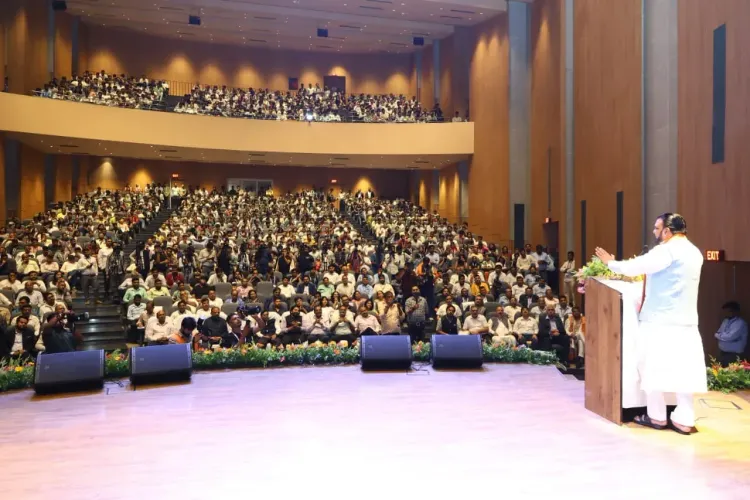
Synopsis
The Chief Minister's Office of Bihar announced on 23 May 2026 that the Chief Minister has directed all state departments to maximise AI use, promising greater transparency in scheme implementation and positioning Bihar among India's leading developed states.
Key Takeaways
The Chief Minister's Office of Bihar issued a directive on 23 May 2026 instructing all state departments to maximise use of Artificial Intelligence.
The stated goal is to bring transparency in the implementation of government schemes across Bihar.
The directive envisions Bihar joining the ranks of India's leading developed states through AI-driven governance.
The mandate is horizontal — covering all departments — rather than limited to a single sector or pilot programme.
The move builds on Bihar's earlier e-Governance Roadmap (2014-15) and Digital Bihar initiatives under Chief Minister Nitish Kumar .
Watchers will look for department-level AI pilots, budgetary allocations , and third-party audits of transparency outcomes.
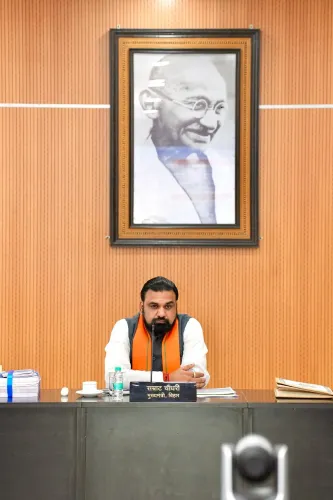
The Chief Minister's Office of Bihar on Saturday, 23 May 2026 announced that the Chief Minister has directed all state government departments to maximise the use of Artificial Intelligence, stating that the technology will bring transparency to scheme implementation and help Bihar join the ranks of the country's leading developed states.
Context
The directive, shared by the official Chief Minister's Office of Bihar account on X, quotes the Chief Minister as instructing all departments to adopt AI to the fullest extent possible. In his words, 'is ke madhyam se yojanaon ke kriyanvayan mein paardarshhita aayegi' — 'through this, transparency will come in the implementation of schemes' — and Bihar will be counted among the country's foremost developed states.
The announcement underscores a clear political commitment from the state's top executive office to embed emerging technology across the entire administrative machinery, not just in select departments.
Policy Backdrop
Bihar has pursued technology-enabled governance for over a decade, beginning with its 2014-15 e-Governance Roadmap and subsequent Digital Bihar initiatives that prioritised IT adoption for public service delivery. Chief Minister Nitish Kumar, who has led the state since 2005, has repeatedly anchored his administration's identity around administrative reform and measurable improvements in service delivery.
The current AI push aligns squarely with the national Digital India framework, which encourages states to leverage emerging technologies to reduce leakages in welfare schemes and improve real-time monitoring. Several Indian states have already launched AI pilots in areas such as agriculture advisories, grievance redressal, and beneficiary verification.
Stakeholders and Impact
The directive applies to all state government departments, making it a horizontal mandate rather than a sectoral experiment. The most direct beneficiaries are intended to be welfare scheme recipients — citizens who depend on programmes for food security, housing, health, and livelihood support — where leakages and implementation gaps have historically been a concern.
State government employees and departmental heads will be expected to identify use-cases, procure or adapt AI tools, and report on adoption. Civil society groups and independent auditors will likely watch whether the transparency promise translates into publicly accessible data dashboards or audit trails for flagship schemes.
What's Next
Observers will track whether individual departments follow up with specific AI pilot announcements and whether the state budget allocates dedicated funds for AI infrastructure and capacity building. Third-party audits of transparency outcomes in flagship schemes would be a meaningful test of whether the directive produces measurable results beyond intent. Bihar's performance on this front could set a benchmark — or a cautionary tale — for other states weighing similar whole-of-government AI mandates.
Point of View
The real test will be implementation: a whole-of-government mandate without ring-fenced budgets, trained personnel, and independent oversight risks remaining an aspirational statement. Bihar's trajectory here will be closely watched by other states navigating the gap between AI ambition and administrative reality.
NationPress
7 Oct 2026
Frequently Asked Questions
What has the Bihar Chief Minister directed regarding AI?
The Chief Minister has directed all state government departments to maximise the use of Artificial Intelligence, with the aim of bringing transparency to scheme implementation and positioning Bihar among India's leading developed states.
Which schemes will benefit from Bihar's AI directive?
The directive is a horizontal mandate covering all departments, meaning welfare schemes related to food security, housing, health, and livelihoods are all in scope, though specific scheme-level pilots have not yet been announced.
How does Bihar's AI push connect to Digital India?
Bihar's AI directive aligns with the national Digital India framework, which encourages states to use emerging technologies to reduce leakages in welfare delivery and improve real-time monitoring of government programmes.
What is Nitish Kumar's track record on technology in governance?
Chief Minister Nitish Kumar has led Bihar since 2005 with a consistent focus on administrative reform; the state launched an e-Governance Roadmap in 2014-15 and subsequent Digital Bihar initiatives to improve IT-enabled public service delivery.
What should we watch for after this Bihar AI announcement?
Key developments to track include department-wise AI pilot announcements, budget allocations for AI infrastructure, capacity-building programmes for government staff, and any independent audits measuring transparency improvements in flagship schemes.