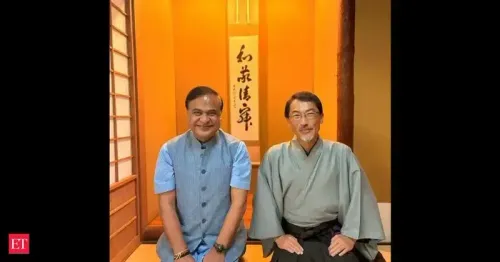
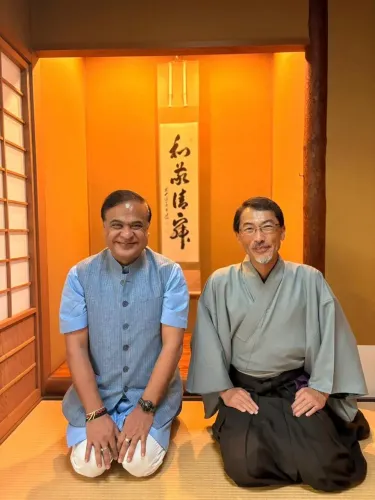
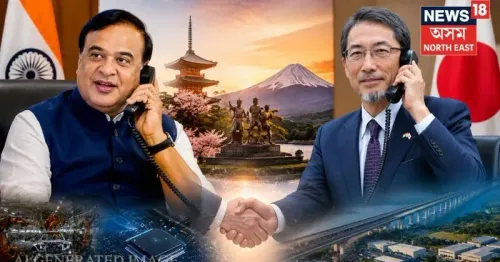
Assam CM pushes for Japan ties in chips, clean energy
Synopsis
Assam's Chief Minister's Office announced on 8 July 2026 that the state is pursuing deeper engagement with Japan in semiconductors and clean energy, building on India's Act East Policy and the national India Semiconductor Mission to attract Japanese investment to the northeast.
Key Takeaways
Assam is seeking deeper bilateral ties with Japan specifically in semiconductors and clean energy, as announced on 8 July 2026 .
Chief Minister Himanta Biswa Sarma has been positioning Assam as an industrial investment hub since 2021 .
The push aligns with India's Act East Policy (upgraded 2014 ), which designates northeastern states as gateways to East and Southeast Asia.
The India Semiconductor Mission , launched in 2021 , provides the national framework within which Assam's semiconductor ambitions sit.
Japanese firms are actively diversifying supply chains, making Assam's outreach timely amid global semiconductor realignments.
Formal investment proposals and MoUs, if any, are expected to surface at the next India-Japan bilateral summit.
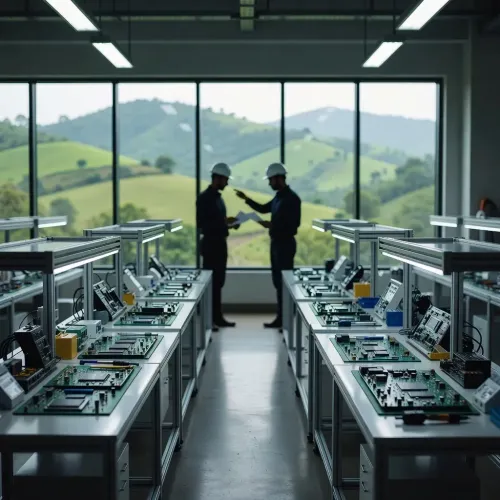
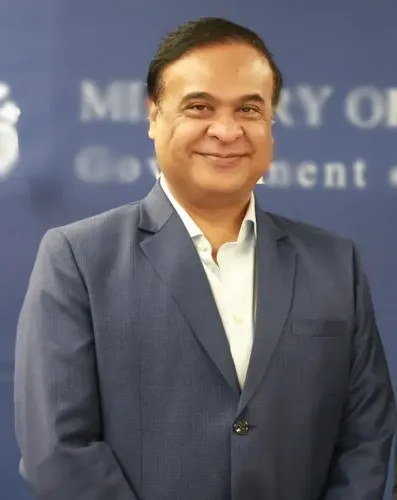
The Chief Minister's Office of Assam announced on Wednesday, 8 July 2026 that Assam is actively seeking deeper bilateral engagement with Japan in the areas of semiconductors and clean energy, signalling the northeastern state's ambitions to plug into global technology and green-energy supply chains.
Context
Chief Minister Himanta Biswa Sarma has since 2021 positioned Assam as a destination for industrial investment, leveraging central government schemes and India's broader diplomatic outreach to East and Southeast Asia. The latest push toward Japan extends that strategy into high-value technology sectors — semiconductors and clean energy — that sit at the heart of both countries' economic priorities.
Japan is one of India's most consequential strategic partners, with cooperation spanning infrastructure financing, technology transfer, and energy transition. Bilateral summits between the two countries have regularly produced commitments in these domains since the early 2010s.
Policy Backdrop
India's Act East Policy, upgraded in 2014, places deeper economic engagement with Japan and ASEAN nations at the centre of New Delhi's foreign economic strategy. Northeastern states, including Assam, have been designated as natural gateways under this framework, given their geographic proximity to Southeast and East Asia.
On the semiconductor front, the India Semiconductor Mission — launched in 2021 — is building domestic design and manufacturing capacity, and state governments are increasingly being drawn into that national effort. Clean energy cooperation with Japan, including potential green-hydrogen collaboration, aligns with India's commitment to net-zero targets and its international climate obligations.
Stakeholders and Impact
For Assam's industrial base, successful engagement with Japanese investors could translate into new electronics manufacturing clusters and renewable energy infrastructure, generating employment and accelerating the state's transition away from a predominantly agriculture-driven economy. Japanese firms, for their part, are actively scouting supply-chain diversification opportunities across South and Southeast Asia amid global semiconductor realignments.
Broader stakeholders include workers in Assam's existing industrial corridors, central ministries overseeing the India Semiconductor Mission, and Japanese corporations with established India operations who may serve as anchor investors for any new facilities.
What's Next
Formal investment proposals, if any emerge from this engagement, are likely to be tabled at the next India-Japan bilateral summit or through dedicated investment-promotion channels. Observers will watch whether Assam secures specific memoranda of understanding with Japanese counterparts in semiconductor design, electronics manufacturing, or green-hydrogen development.
The trajectory of this initiative will depend significantly on how quickly state-level facilitation infrastructure — land banks, skill pipelines, and regulatory clearances — can be made ready to meet Japanese investor expectations, which typically emphasise predictability and execution speed.
Point of View
The Sarma administration is leveraging geopolitical tailwinds rather than competing on conventional industrial metrics alone. The timing is shrewd: Japan is actively diversifying semiconductor and clean-energy partnerships beyond its traditional Asian neighbours, and India's northeast offers both geographic proximity and central government backing. Whether the engagement translates into binding investment commitments will be the real test of Assam's institutional readiness.
NationPress
8 Jul 2026
Frequently Asked Questions
Why is Assam seeking ties with Japan in semiconductors?
Assam is aligning itself with India's national semiconductor strategy and Act East Policy, positioning the state as a northeastern hub for high-technology investment from Japan, which is a key partner in India's supply-chain diversification drive.
What is the India Semiconductor Mission?
The India Semiconductor Mission is a central government programme launched in 2021 to develop domestic semiconductor design and manufacturing capacity, under which states including Assam are seeking to attract investment.
What is India's Act East Policy and how does it involve Assam?
India's Act East Policy, upgraded in 2014, prioritises economic engagement with Japan and ASEAN nations, designating northeastern states like Assam as strategic gateways given their geographic proximity to East and Southeast Asia.
What clean energy cooperation is Assam seeking with Japan?
Assam is looking to engage Japan in clean energy sectors that may include green hydrogen and renewable energy infrastructure, in line with India's net-zero commitments and existing India-Japan energy cooperation frameworks.
Who is the Chief Minister of Assam pushing these Japan ties?
Chief Minister Himanta Biswa Sarma, who has led Assam since 2021, is the driving force behind the state's industrial and investment outreach, including the latest push for deeper Japan engagement in technology and energy.