Maharashtra floods 2025: IMD relief forecast as rivers overflow, Pune dams surge
Synopsis
Maharashtra is simultaneously battling floods in the west and a rainfall deficit in Marathwada — two crises unfolding within the same state in the same week. With Khadakwasla Dam discharging at 27,000 cusecs, bridges submerged in Pune and Alandi, and Jayakwadi's storage at barely half of last year's level, the monsoon's uneven hand is the real story here.
Key Takeaways
The IMD forecasts monsoon intensity to recede from Wednesday, 8 July , with residual showers on the Konkan coast and ghat regions.
Khadakwasla Dam has reached maximum capacity; authorities are releasing water at 27,000 cusecs into the Mutha River , submerging Baba Bhide Bridge in Pune.
All four bridges over the Indrayani River in Alandi are submerged after the river breached its banks.
Pune Mayor Manjusha Nagpure is personally overseeing evacuations in flood-hit localities including Rajput Nagar and Nimbanagar .
Jayakwadi Dam in Marathwada holds only 28.24% of useful storage — against 49.65% on the same date last year — highlighting the state's uneven monsoon distribution.
A fresh landslide at Varandha Ghat narrowly missed highway workers; Bhandara farmers resume paddy transplantation after belated rainfall.
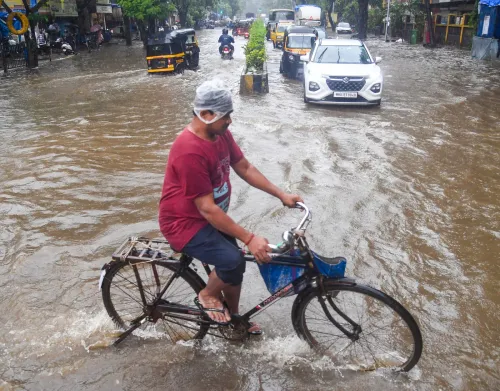
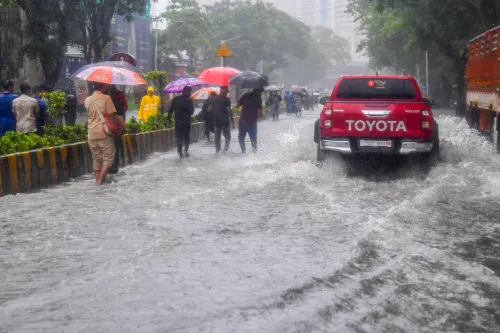
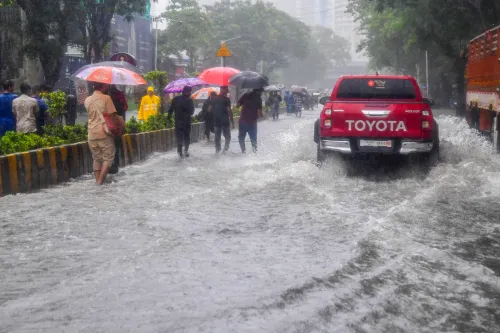
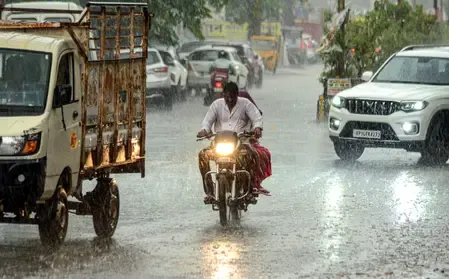
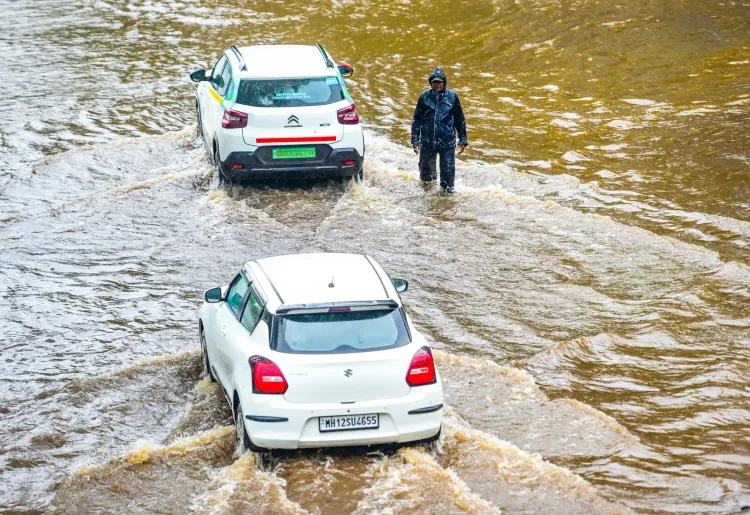
Relentless rainfall over the past week has triggered flood-like conditions across Maharashtra, with rivers, streams, and reservoirs overflowing and cutting off connectivity in multiple districts. The India Meteorological Department (IMD) has indicated that monsoon intensity is expected to recede from Wednesday, 8 July, with residual showers largely confined to the Konkan coast and ghat regions — offering partial relief to a state that has been battered for five consecutive days.
Mumbai and Coastal Districts: Alerts Persist
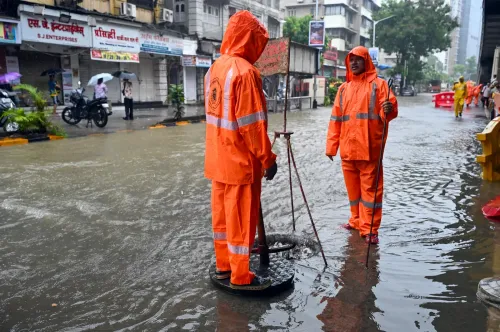
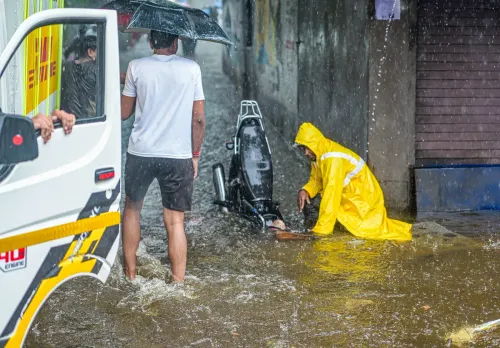
Mumbai saw brief overnight waterlogging in areas such as Worli Village before conditions eased through the morning. Road transit remained largely operational, though suburban rail networks reported delays — Central Line trains running 5 minutes late, while Harbour and Trans-Harbour lines faced disruptions of up to 10 minutes. The IMD has forecast moderate rain through the day for the city.
Coastal districts of Palghar, Raigad, and Ratnagiri remain under a yellow alert, with heavy to very heavy rainfall expected in isolated pockets. Officials noted that a dense cloud mass that initially threatened a severe cloudburst over Nashik diverted toward Palghar and Gujarat, averting potentially catastrophic damage.
Pune Crisis: Khadakwasla Dam at Capacity, Bridges Submerged
Continuous inflows into Pune's catchment areas have pushed the Khadakwasla Dam to maximum capacity. Authorities are discharging water into the Mutha River at 27,000 cusecs — up from an earlier release of 22,880 cusecs — causing the Baba Bhide Bridge to submerge completely. Floodwaters have entered residential zones, including houses in Ekta Nagar Society.
Pune Mayor Manjusha Nagpure has been personally overseeing relief operations since dawn, inspecting vulnerable localities including Rajput Nagar, Pulachiwadi, and Nimbanagar to coordinate evacuations. The four dams in the Khadakwasla circle collectively hold 14 TMC of water — approximately 48% of their cumulative storage capacity. Extreme caution has been advised in the ghat regions of Pune and Satara, where very heavy downpours continue.
In Alandi, a major pilgrimage town, the Indrayani River has breached its banks. All four primary bridges across the river are submerged, paralysing local transport and causing significant structural and property damage in adjacent areas.
Vidarbha and Marathwada: Uneven Monsoon Deepens Divide
Thunderstorms with lightning and gusty winds are highly likely across Akola, Amravati, Buldhana, and Wardha. Moderate spells are expected to persist in Dhule, Nandurbar, Jalgaon, and Nashik, with the Nashik ghat areas remaining under a yellow alert.
The Marathwada region, meanwhile, continues to lag behind. The Jayakwadi Dam recorded a fresh inflow of 1,493 cusecs over the last 24 hours, bringing useful water stock to 28.24% — significantly below the 49.65% storage level recorded on the same date last year. This disparity underscores the state's persistent challenge of uneven monsoon distribution, with western Maharashtra facing floods while Marathwada awaits meaningful relief.
Landslide at Varandha Ghat, Farmers Get Reprieve in Bhandara
A fresh landslide struck the Varandha Ghat section even as clearance operations for a previous debris fall were underway. A team of highway officials and labourers narrowly escaped injury as a new patch of the hillside gave way. Work was halted temporarily to assess structural stability before resuming under strict safety protocols.
In Bhandara district of eastern Maharashtra — where a dry June had pushed the farming community to the edge of distress amid El Niño concerns — intense evening showers have finally arrived. The fresh precipitation, including in the Tumsar taluka, has allowed farmers to fast-track delayed paddy transplantation, providing some agricultural relief after weeks of anxiety.
With the IMD projecting a gradual easing of the monsoon's intensity, the immediate focus shifts to relief operations, dam management, and restoring road and rail connectivity across the state's worst-affected districts.
Point of View
At barely half last year's reservoir storage, is still waiting for the rains it needs. The Khadakwasla discharge surge and the Jayakwadi deficit in the same news cycle expose how India's dam and flood-management infrastructure remains reactive rather than anticipatory. The near-miss at Varandha Ghat — where a second landslide struck while the first was still being cleared — is a reminder that highway safety protocols in ghat sections need urgent structural review, not just case-by-case responses.
NationPress
8 Jul 2026
Frequently Asked Questions
Which parts of Maharashtra are worst affected by the July 2025 floods?
Pune, Alandi, Palghar, Raigad, and Ratnagiri are among the worst-hit areas, with rivers overflowing, bridges submerged, and residential zones flooded. The ghat regions of Pune and Satara are also under extreme caution due to very heavy rainfall.
Why is the Khadakwasla Dam releasing water at such a high rate?
Khadakwasla Dam has reached maximum capacity due to relentless inflows from catchment areas over five days of continuous rain. Authorities are discharging water at 27,000 cusecs into the Mutha River to prevent dam overflow, which has caused the Baba Bhide Bridge in Pune to submerge.
When will the heavy rain in Maharashtra ease?
The IMD has indicated that monsoon intensity is expected to recede from Wednesday, 8 July, with light to moderate showers thereafter largely confined to the Konkan coast and ghat regions. Yellow alerts remain active for Palghar, Raigad, Ratnagiri, and the Nashik ghat areas.
What is the situation at Jayakwadi Dam in Marathwada?
Jayakwadi Dam recorded an inflow of 1,493 cusecs over 24 hours, bringing useful water storage to 28.24% — significantly below the 49.65% recorded on the same date last year. This highlights Marathwada's ongoing struggle with inadequate monsoon rainfall even as western Maharashtra floods.
What happened at Varandha Ghat during the Maharashtra rains?
A fresh landslide struck the Varandha Ghat section while workers were still clearing debris from a previous slide. Highway officials and labourers narrowly escaped injury; work was halted to assess structural stability before resuming under strict safety protocols.