CM Assam Eyes Japan Investment in Semiconductors, Infrastructure
Synopsis
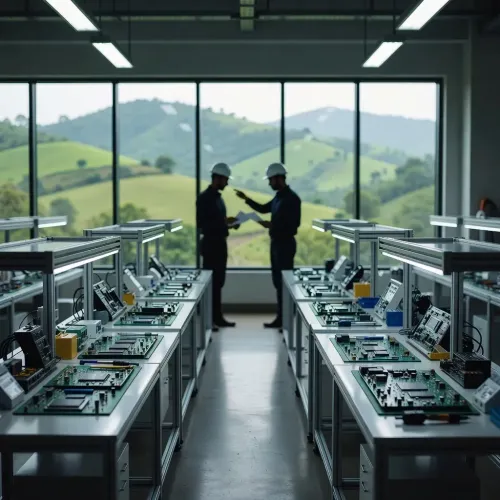
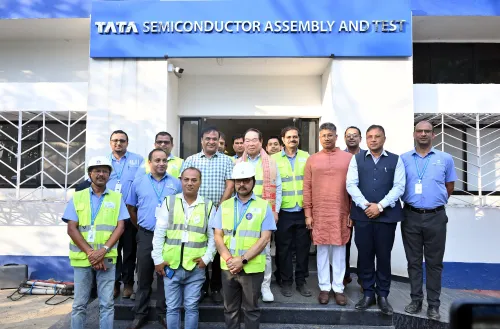
The Chief Minister's Office of Assam has flagged strong potential for Japanese investment in the state, covering semiconductors and infrastructure development. The move aligns with India's Act East Policy and the India Semiconductor Mission, with employment generation for Assam's youth cited as a key expected outcome.
Key Takeaways
The Chief Minister's Office of Assam on June 27, 2026 , publicly signalled large-scale Japanese investment potential in the state.
Sectors highlighted include semiconductors and infrastructure development , both identified as drivers of new employment.
Chief Minister Himanta Biswa Sarma has made industrialisation and international economic partnerships a priority since taking office in May 2021 .
The push is backed by India's Act East Policy (since 2014) and the India Semiconductor Mission (approved 2021), both of which actively seek Japanese collaboration.
Formalisation of investment proposals is expected to be watched at upcoming India-Japan summits or state-level investor conclaves.
Assam's youth are the primary intended beneficiaries through high-skill job creation in technology and infrastructure sectors.
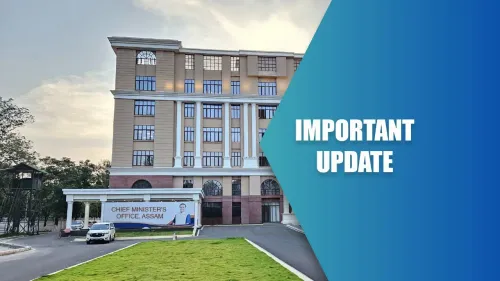
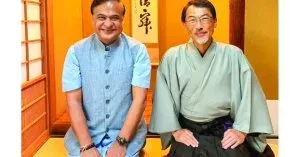
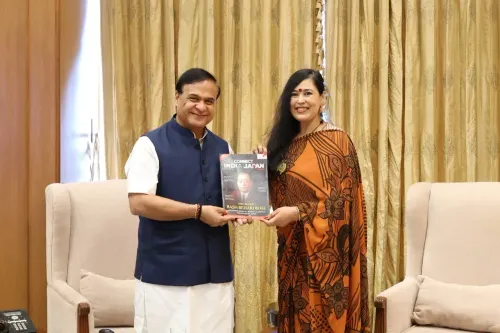
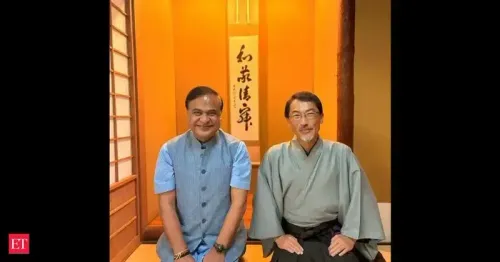
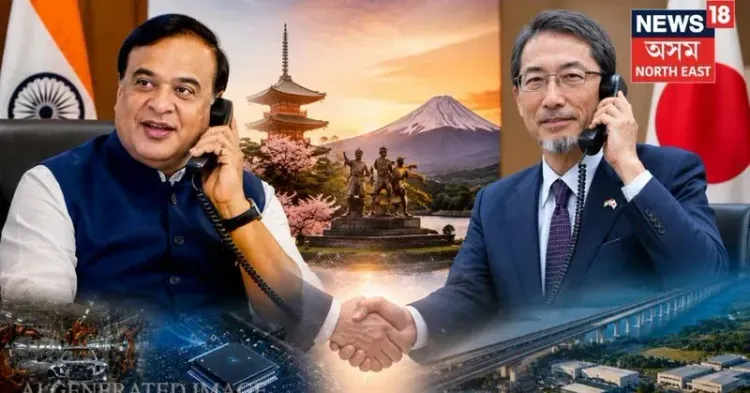
The Chief Minister's Office of Assam on Saturday, June 27, 2026, signalled significant potential for Japanese investment in the state, highlighting opportunities spanning semiconductors and infrastructure development as new pathways to employment generation.
The post, shared in Assamese, stated: 'অসমত জাপানৰ বৃহৎ বিনিয়োগৰ সম্ভাৱনা!' ('Great potential for Japanese investment in Assam!'), adding that sectors from semiconductors to infrastructure development would open new avenues for employment.
Context
Assam has been actively courting foreign investment under Chief Minister Himanta Biswa Sarma, who has prioritised industrialisation and international economic partnerships since taking office in May 2021. The state's push to attract Japanese capital aligns with India's broader strategic interest in deepening ties with East Asia. Japan has been a long-standing partner in high-value manufacturing and infrastructure financing across the country.
The signal from the Chief Minister's Office comes as Assam seeks to diversify its economy beyond traditional agriculture-linked sectors, positioning itself as a viable destination for technology and connectivity investments in Northeast India.
Policy Backdrop
India's Act East Policy, in place since 2014, provides the overarching diplomatic and economic framework for channelling investment from Japan and other East Asian economies into the northeastern states. Multiple India-Japan memoranda on infrastructure and manufacturing cooperation have been signed during annual bilateral summits since 2014.
On the technology front, the India Semiconductor Mission, approved in 2021, seeks to attract global semiconductor manufacturers through incentives and partnerships, establishing domestic fabrication capabilities. Assam's mention of semiconductors as a prospective investment category places it within this national push to reduce supply-chain dependence and build high-skill industrial capacity.
Stakeholders and Impact
The primary beneficiaries of any materialised investment would be Assam's youth, for whom employment generation in high-value sectors such as semiconductors and modern infrastructure would represent a structural economic shift. Semiconductor manufacturing in particular demands a skilled technical workforce, which could incentivise investment in allied training and education infrastructure.
For Japanese investors, Northeast India offers proximity to Southeast Asian markets and a growing domestic consumer base, making it a strategically attractive manufacturing and logistics hub. India has consistently presented the northeastern corridor as a gateway to the wider Indo-Pacific economic space.
What's Next
Attention will now turn to whether this signal from the Chief Minister's Office translates into formal investment proposals or memoranda of understanding at the next India-Japan bilateral summit or at state-level investor forums. Assam has previously hosted investor conclaves to formalise interest from domestic and international partners.
If Japanese commitments in semiconductors and infrastructure are formalised, Assam could emerge as a significant node in India's broader strategy to integrate the Northeast into global technology and connectivity supply chains — a development that would carry implications well beyond the state's borders.
Frequently Asked Questions
What sectors is Japan expected to invest in in Assam?
The Chief Minister's Office of Assam has highlighted semiconductors and infrastructure development as the key sectors where Japanese investment potential has been identified, with employment generation cited as a primary goal.
What is India's Act East Policy and how does it relate to Assam?
India's Act East Policy , introduced in 2014 , is a strategic framework to deepen economic and connectivity ties with East and Southeast Asian nations, including Japan . It specifically aims to channel foreign investment into Northeast India , making states like Assam central to its implementation.
What is the India Semiconductor Mission?
The India Semiconductor Mission was approved in 2021 as a central government initiative to attract global semiconductor manufacturers to India through financial incentives and partnerships, with the goal of building domestic fabrication capabilities and reducing import dependence.
Who is the Chief Minister of Assam?
Himanta Biswa Sarma has been the Chief Minister of Assam since May 2021 . He has prioritised industrialisation and international economic partnerships, including outreach to Japanese investors, as part of his economic agenda for the state.
Why is Japan interested in investing in Northeast India?
Northeast India , including Assam , offers Japan proximity to Southeast Asian markets, a growing domestic consumer base, and a strategic location along emerging Indo-Pacific trade corridors, making it attractive for manufacturing and infrastructure investments.