CM Himanta Meets Japan Ambassador, Eyes Assam Ties
Synopsis
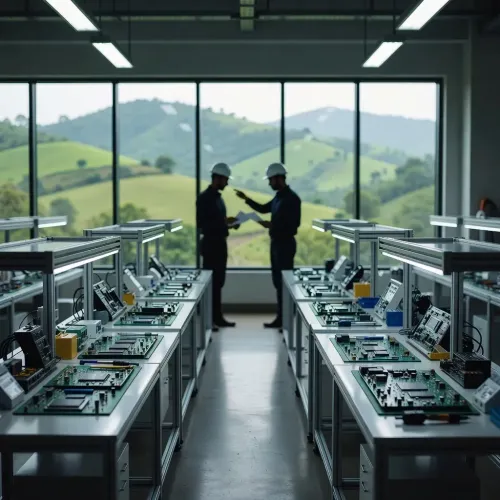
Assam Chief Minister Himanta Biswa Sarma met Japanese Ambassador Ono Keiichi in New Delhi over a traditional tea ceremony, discussing how outcomes of the recent India–Japan Summit can be channelled into semiconductor research, clean energy, and language-training opportunities for Assam.
Key Takeaways
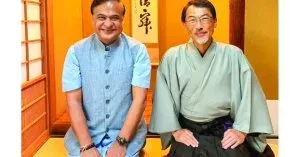
Assam CM Himanta Biswa Sarma attended a Cha-no-yu tea ceremony hosted by Japanese Ambassador Ono Keiichi at his New Delhi residence on 7 July 2026 .
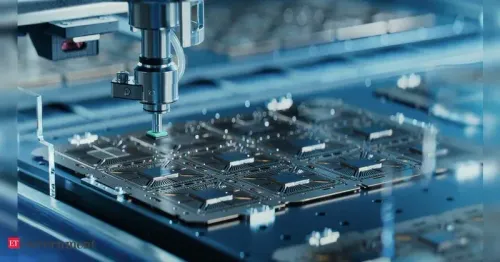
Discussions focused on translating India–Japan Summit outcomes into state-level opportunities for Assam in semiconductor research, clean energy, and Japanese language training.
Sarma reaffirmed Assam's commitment to advancing the India–Japan Special Strategic and Global Partnership , established in 2014 .
Japan's engagement with India's Act East Policy since 2017 has made northeastern states a priority zone for bilateral investment and connectivity.
Follow-up MoUs or investment announcements targeting Assam in semiconductors and renewable energy are anticipated as the next concrete step.
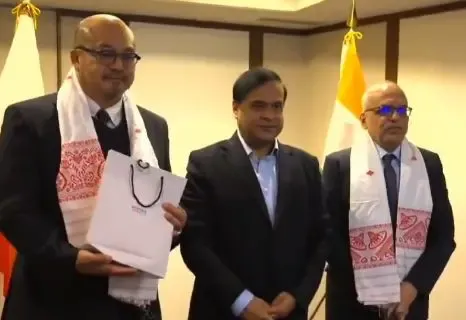
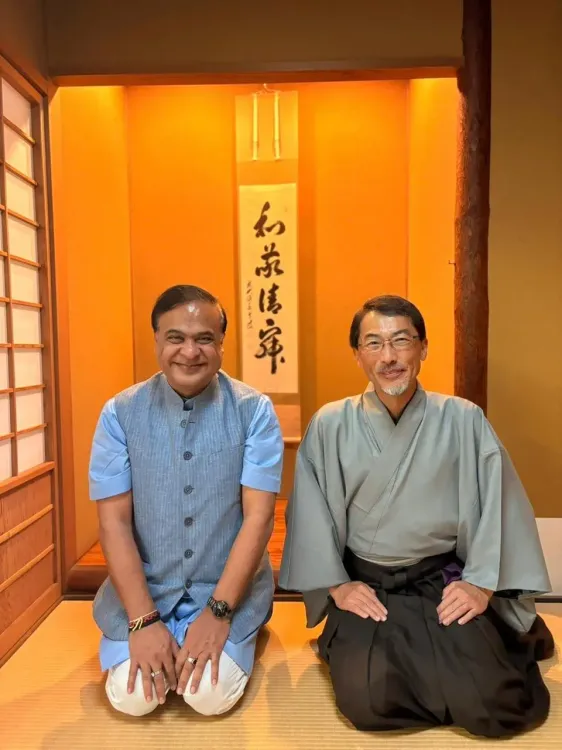
Assam Chief Minister Himanta Biswa Sarma met Japanese Ambassador Ono Keiichi at his residence in New Delhi on Monday, 7 July 2026, attending a traditional Japanese tea ceremony and holding discussions on expanding bilateral cooperation with a specific focus on Assam's interests in semiconductor research, clean energy, and Japanese language training.
Context
The meeting, held over Cha-no-yu (the traditional Japanese tea ceremony), was hosted by Ambassador Ono Keiichi at the Japanese Ambassador's residence in New Delhi. Chief Minister Sarma described the exchange as 'productive,' with both sides reviewing the outcomes of the recent India–Japan Summit and their relevance for state-level engagement. Sarma reaffirmed Assam's commitment to advancing the India–Japan Special Strategic and Global Partnership.
The meeting signals an active push by the Assam government to translate national-level diplomatic gains into concrete investment and skill-development opportunities for the northeastern state.
Policy Backdrop
The India–Japan Special Strategic and Global Partnership was established in 2014, providing the overarching framework for strategic, economic, and technological cooperation between the two countries. India and Japan had earlier signed the Comprehensive Economic Partnership Agreement (CEPA) in 2011, laying the groundwork for deeper trade and investment flows.
From 2017 onward, Japan formally aligned its engagement with India's Act East Policy, committing to connectivity and investment in the Northeast. This policy lineage has made northeastern states like Assam increasingly central to the bilateral agenda, particularly as India pursues supply-chain diversification in semiconductors and clean energy with trusted partners.
Japanese language training has been a recurring element in these partnerships, designed to support workforce mobility and enable smoother execution of joint projects on Indian soil.
Stakeholders and Impact
Assam's youth stand to benefit most directly if the discussions translate into semiconductor research facilities and Japanese-assisted renewable energy projects in the state. Clean energy developers and semiconductor investors are the key private-sector stakeholders watching for follow-up announcements. The emphasis on Japanese language training also points to a workforce-readiness agenda aimed at making Assam a viable destination for Japanese companies setting up operations in India's Northeast.
The meeting also carries significance for the broader North-East Democratic Alliance (NEDA), which Chief Minister Sarma convenes, as it reinforces the region's collective positioning within India's foreign investment and technology partnership strategy.
What's Next
Observers will watch for follow-up Memoranda of Understanding or investment announcements specifically targeting Assam in semiconductor research and Japanese-assisted renewable energy. State-level participation in upcoming India–Japan business forums is also a possibility flagged by the broader bilateral agenda. The Chief Minister's direct engagement with the Ambassador suggests that Assam is positioning itself ahead of any formal investment-allocation process that may follow from the recent India–Japan Summit outcomes.
Point of View
Sarma is effectively lobbying for state-specific allocations from a national partnership framework — a pattern increasingly common among proactive chief ministers. The focus on Japanese language training adds a human-capital dimension that distinguishes Assam's pitch from purely infrastructure-driven asks. If follow-up MoUs materialise, this meeting could mark a meaningful inflection point in how India's Act East Policy delivers tangible economic dividends to the Northeast.
NationPress
5 Oct 2026
Frequently Asked Questions
Why did Assam CM Himanta Biswa Sarma meet the Japanese Ambassador?
Chief Minister Sarma met Ambassador Ono Keiichi to discuss expanding cooperation between Assam and Japan in semiconductor research, clean energy, and Japanese language training, building on outcomes from the recent India–Japan Summit.
What is Cha-no-yu and why was it significant at this meeting?
Cha-no-yu is the traditional Japanese tea ceremony. The Ambassador hosted CM Sarma for this ceremony at his New Delhi residence, setting a culturally significant backdrop for the diplomatic exchange.
What is the India–Japan Special Strategic and Global Partnership?
It is the upgraded bilateral framework established in 2014 that guides strategic, economic, and technological cooperation between India and Japan, including commitments to India's Act East Policy for the Northeast.
How does Japan's Act East Policy engagement benefit Assam?
Since 2017 , Japan has aligned with India's Act East Policy, directing investment and connectivity commitments toward northeastern states like Assam , creating openings in manufacturing, infrastructure, and skill development.
What could follow from the Assam CM's meeting with the Japan Ambassador?
Possible outcomes include Memoranda of Understanding for semiconductor research facilities, Japanese-assisted renewable energy projects in Assam , and state participation in India–Japan business forums.