CM Himanta Directs Assam-Japan Outreach on Tech and Tourism
Synopsis
Acting on CM Himanta Biswa Sarma's directions, Assam's Chief Secretary met India's Consul General in Fukuoka on 17 July 2026 to explore Japan collaboration in semiconductors, green energy, quantum computing, fuel cells and tourism, including a potential Assam presence at the Kyushu Semiconductor Expo.
Key Takeaways
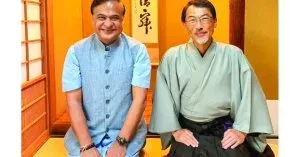
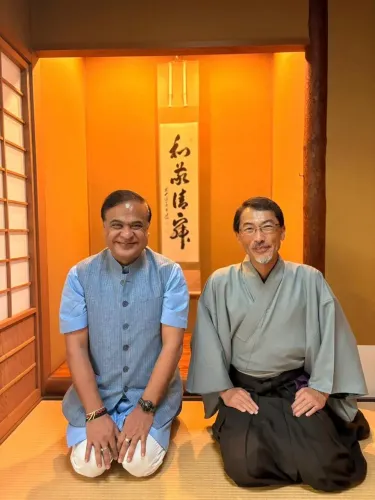
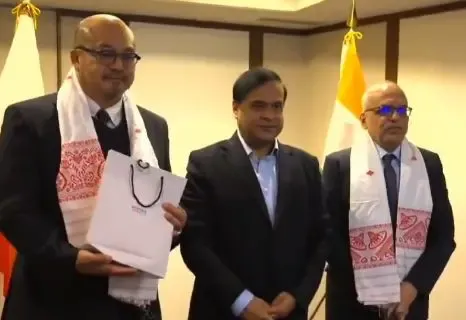
Ravi Kota met Consul General Ramkumar C, IFS in Fukuoka on 17 July 2026 , as directed by CM Himanta Biswa Sarma .
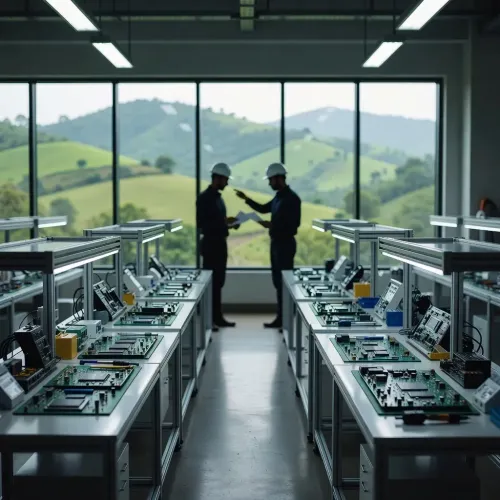
Discussions covered semiconductors, green energy, quantum computing and fuel cell technologies as priority collaboration areas.
Assam is exploring formal participation in the Kyushu Semiconductor Expo , a key Japanese industry platform.
Tourism promotion to Japanese visitors was identified as a parallel strand of the partnership.
The outreach aligns with India's Act East Policy (2014) and the national Semiconductor Mission (2021) .
Any memoranda of understanding or investment commitments from the Kyushu Expo will be the next concrete milestone to watch.
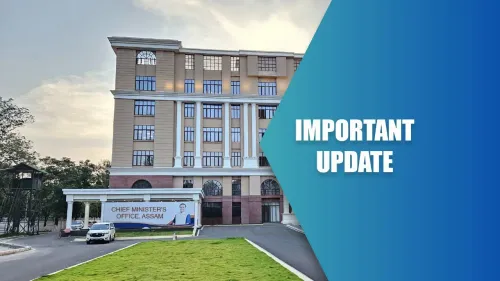
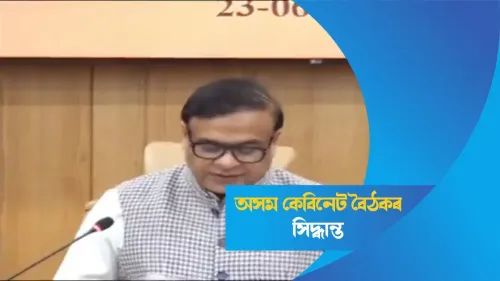
The Chief Minister's Office of Assam announced on 17 July 2026 that Chief Secretary Dr. Ravi Kota met Shri Ramkumar C, IFS, Consul General of India in Fukuoka, to explore avenues for deepening Assam–Japan collaboration across technology, academia, tourism and investment, acting on the directions of Chief Minister Dr. Himanta Biswa Sarma.
Context
The meeting in Fukuoka centred on four high-priority sectors: semiconductors, green energy, quantum computing and fuel cell technologies. Discussions also covered Assam's participation in the Kyushu Semiconductor Expo, a key annual industry platform in Japan's Kyushu region focused on semiconductor supply chains, and ways to promote the state's tourism potential to Japanese travellers and investors.
The Chief Minister's Office stated that the outreach aims 'to deepen economic and innovation partnerships' between Assam and Japan — a formulation that signals intent beyond ceremonial engagement toward concrete investment and knowledge-transfer outcomes.
Policy Backdrop
The visit sits squarely within India's Act East Policy, announced in 2014, which tasked northeastern states with serving as the vanguard of India's economic engagement with Japan and ASEAN nations. Assam has steadily positioned itself as the region's lead state in this pivot, courting foreign direct investment in electronics, energy and tourism.
At the national level, India's Semiconductor Mission, launched in 2021, has created a policy scaffold that sub-national governments are now using to attract international technology partners. Assam's focus on semiconductors and green energy aligns with a global push to diversify supply chains, particularly as Japan and India have deepened bilateral cooperation on critical and emerging technologies including quantum computing and hydrogen-related fields.
Chief Minister Himanta Biswa Sarma, in office since 2021, has made state-level economic outreach to East Asia a signature of his administration, pursuing direct government-to-industry and government-to-government channels to complement high-level bilateral agreements.
Stakeholders and Impact
The sectors identified — semiconductors, green energy, quantum computing and fuel cell technologies — carry implications for technology investors, academic institutions and tourism operators in Assam. A formal presence at the Kyushu Semiconductor Expo would give Assam direct visibility among Japanese electronics and chip-industry players at a moment when global supply-chain diversification is accelerating.
For academia, the discussions open the possibility of research partnerships and student-exchange frameworks with Japanese universities, particularly in cutting-edge fields where Japan holds significant expertise. Tourism operators stand to benefit from promotional outreach to Japan's outbound travel market, which has historically shown interest in culturally rich and ecologically diverse destinations.
What's Next
The immediate marker to watch is whether Assam secures a formal slot at the Kyushu Semiconductor Expo and what memoranda of understanding or investment commitments emerge from that platform. Any academic-exchange agreements or green-energy pilot proposals announced in the weeks ahead would indicate how quickly this diplomatic groundwork translates into binding commitments.
With CM Himanta Biswa Sarma personally directing the outreach, the engagement carries political weight beyond a routine administrative visit — suggesting that Assam's Japan strategy is likely to intensify as the state seeks to position itself as the northeastern gateway for Japanese technology and capital entering India.
Point of View
Where the Act East Policy has created both an expectation and an opportunity. The choice of sectors — semiconductors, quantum computing and fuel cells — mirrors Japan's own national technology priorities, suggesting Assam is pitching itself as a complementary partner rather than simply a recipient of investment. CM Himanta Biswa Sarma's personal direction of the outreach signals that this is a politically invested initiative, not a routine bureaucratic exchange. Whether it yields tangible deals will test the limits of state-level foreign economic diplomacy within India's federal structure.
NationPress
16 Oct 2026
Frequently Asked Questions
Why is Assam engaging with Japan on semiconductors?
Assam is pursuing semiconductor collaboration with Japan as part of India's Act East Policy and the national Semiconductor Mission, seeking to attract Japanese technology investment and gain visibility at platforms like the Kyushu Semiconductor Expo.
What is the Kyushu Semiconductor Expo?
The Kyushu Semiconductor Expo is an annual industry event held in Japan's Kyushu region that focuses on semiconductor supply chains and related technologies; Assam is exploring formal participation to engage Japanese chip-industry players.
Who directed Assam's outreach to Japan?
Chief Minister Dr. Himanta Biswa Sarma directed the engagement, with Chief Secretary Dr. Ravi Kota carrying out the meeting with India's Consul General in Fukuoka on 17 July 2026.
What sectors did Assam and Japan discuss for collaboration?
The discussions focused on semiconductors, green energy, quantum computing, fuel cell technologies, academic partnerships and tourism promotion.
What is India's Act East Policy and how does it relate to Assam?
India's Act East Policy, announced in 2014, aims to deepen economic and strategic ties with Japan and ASEAN nations, with northeastern states like Assam positioned as key gateways for this engagement.