Chennai groundwater drops 0.47m in June as weak monsoon deepens crisis
Synopsis
Chennai's groundwater table has sunk to an average of 6.13 metres — its worst June reading in at least two years — as a weak southwest monsoon leaves 13 of 15 monitored zones in decline. With bore wells at 300 feet reportedly going dry in suburbs like Tambaram and Ambattur, the city is entering a critical window where the next few weeks of rainfall will determine how severe this crisis becomes.
Key Takeaways
Chennai's average groundwater level dropped 0.47 metres in June 2025 , falling from 5.66m in May to 6.13m .
13 of 15 monitoring locations tracked by Chennai Metrowater recorded a decline; only Teynampet and Valasaravakkam saw marginal improvement.
Year-on-year, levels have worsened — the June 2024 average was 5.65 metres , nearly 0.5 metres shallower than this June.
Suburbs including Ambattur , Tambaram , Chromepet , and Porur report falling bore well yields, with wells drilled to 300 feet reportedly running dry.
Experts warn levels could deteriorate further unless the southwest monsoon delivers widespread, sustained rainfall in the coming weeks.
Chennai's groundwater table fell by 0.47 metres in June 2025, deepening a water crisis across the city's suburban neighbourhoods as the southwest monsoon continues to underdeliver. According to data released by Chennai Metrowater, the average groundwater depth across 15 monitored locations worsened from 5.66 metres in May to 6.13 metres in June — a deterioration that experts attribute directly to the near-total absence of meaningful rainfall over the past six weeks.
Scale of the Decline
Of the 15 monitoring locations tracked by Chennai Metrowater, 13 registered a fall in groundwater levels during June. Only Teynampet and Valasaravakkam recorded marginal improvements; every other monitored zone saw varying degrees of depletion.
The year-on-year picture is equally stark. In June 2024, the city's average groundwater level stood at 5.65 metres — almost identical to this year's May reading. Scattered showers and intense localised downpours last June had helped recharge underground aquifers. This year, by contrast, the weak monsoon has provided no comparable replenishment, pushing the water table deeper by the week.
Suburban Areas Bear the Brunt
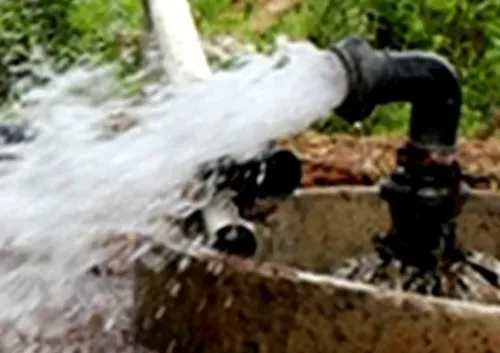
The impact has fallen hardest on suburban localities where households depend almost entirely on bore wells for daily water needs. Areas including Ambattur, Porur, Ponmar near Medavakkam, Chromepet, Tambaram, Pallavaram, and Pozhichalur have reported falling bore well yields over the past month.
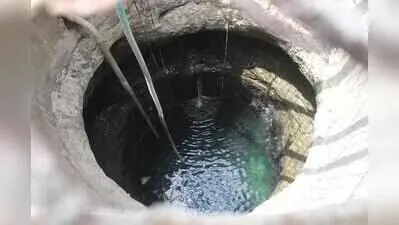
In several localities, existing wells drilled to depths of nearly 300 feet have reportedly run dry, forcing residents to seek fresh drilling. The shortage has triggered a surge in demand for new bore wells — a stopgap measure that, experts warn, risks accelerating long-term aquifer depletion if rainfall does not arrive soon.
Why the Monsoon Matters for Groundwater
Under normal conditions, the southwest monsoon is the primary driver of groundwater recharge across Chennai. Seasonal rains percolate through the soil and replenish aquifers that bore wells draw from. A prolonged dry spell — as seen through June and the first week of July 2025 — severs that recharge cycle entirely, leaving underground reserves to deplete under the pressure of daily extraction.
Officials noted that the situation remains comparatively better in the city's core areas, where Chennai Metrowater's piped supply network is more extensive and reliance on private bore wells is significantly lower. The suburban fringe, which has grown rapidly over the past decade with limited pipeline infrastructure, carries the greatest exposure.
Outlook and Expert Warning
Experts warn that groundwater levels could continue to deteriorate in the coming weeks unless the city receives widespread and sustained monsoon rainfall. Fast-growing suburban regions — already stretched thin on water infrastructure — face the sharpest risk of intensifying stress. With the southwest monsoon yet to bring substantial showers to Chennai as of 8 July 2025, the window for natural recharge before peak summer demand is narrowing.
Point of View
But the structural story is more troubling: Chennai's suburban expansion has consistently outpaced its piped water infrastructure, leaving entire neighbourhoods hostage to a groundwater table that is itself hostage to a single monsoon season. The year-on-year comparison exposes how thin the margin really is — one good June versus one bad June separates adequacy from crisis. What is missing from the official response is any serious reckoning with demand-side management or bore well regulation; the surge in new drilling applications is a symptom of a governance gap, not just a weather event. If the monsoon continues to underperform, Chennai risks a repeat of the acute shortage it faced in 2019 — and the city's infrastructure is not meaningfully better prepared.
NationPress
6 Oct 2026
Frequently Asked Questions
How much has Chennai's groundwater level fallen in June 2025?
Chennai's average groundwater depth fell by 0.47 metres in June 2025, dropping from 5.66 metres in May to 6.13 metres in June, according to data from Chennai Metrowater. The decline affected 13 of the 15 locations monitored across the city.
Which Chennai areas are worst affected by the groundwater decline?
Suburban localities including Ambattur, Porur, Ponmar near Medavakkam, Chromepet, Tambaram, Pallavaram, and Pozhichalur have reported falling bore well yields. In some of these areas, wells drilled to nearly 300 feet have reportedly run dry.
Why is Chennai's groundwater falling this year?
Experts attribute the decline to the weak southwest monsoon, which has failed to deliver the rainfall needed to recharge underground aquifers. Unlike June 2024 — when scattered showers and localised downpours helped replenish reserves — June 2025 saw a prolonged dry spell that left the water table without adequate replenishment.
Is the situation the same across all of Chennai?
No. Officials say the crisis is less severe in the city's core areas, where Chennai Metrowater's piped supply network is more extensive and dependence on bore wells is lower. The worst impact is concentrated in fast-growing suburban zones that lack adequate pipeline infrastructure.
What happens if the monsoon continues to underperform?
Experts warn that groundwater levels could continue to fall in the coming weeks if the city does not receive widespread, sustained monsoon rainfall. Water stress is expected to intensify most sharply in suburban regions that remain heavily dependent on groundwater for daily use.