Has the Chembarambakkam Reservoir in Chennai Reached Full Capacity After Three Decades, Leading to Flooding?
Synopsis
Chennai faces a crisis as the Chembarambakkam Reservoir hits full capacity for the first time in nearly 30 years, resulting in severe flooding and evacuations. With rising water levels and health risks looming, residents hope for swift action to restore normalcy.
Key Takeaways
Unprecedented rainfall has led to the Chembarambakkam Reservoir reaching full capacity.
Over 100 homes have been affected by flooding.
Residents are displaced and seeking safety in shelters.
Public health risks are rising due to stagnant water.
Immediate action is needed to prevent long-term consequences.
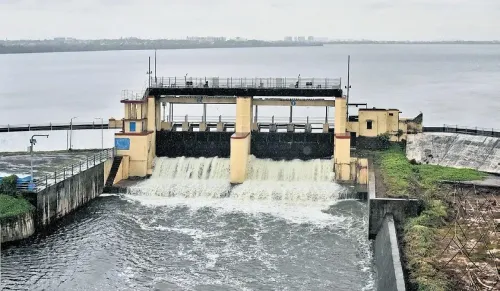
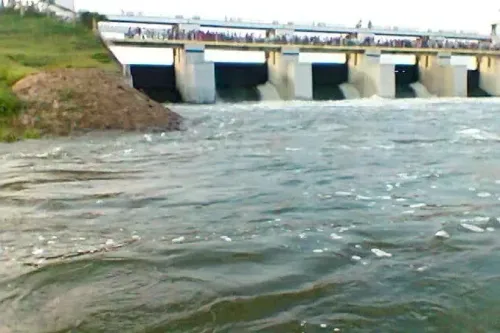
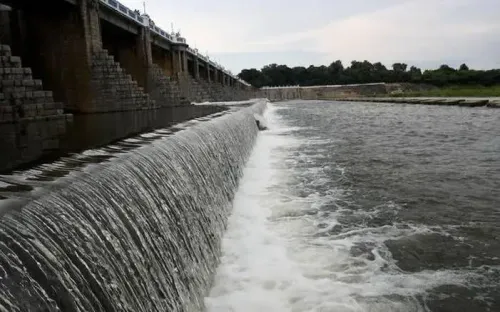
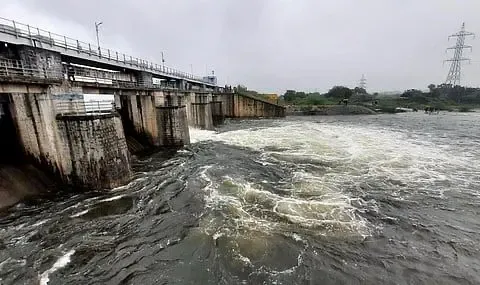
Chennai, Dec 18 (NationPress) An extraordinary surge of rainfall over recent days has led the Chembarambakkam Reservoir in Tamil Nadu to attain its maximum storage level of 24 feet for the first time in nearly three decades. This unprecedented situation has triggered significant flooding in surrounding residential areas, resulting in large-scale evacuations.
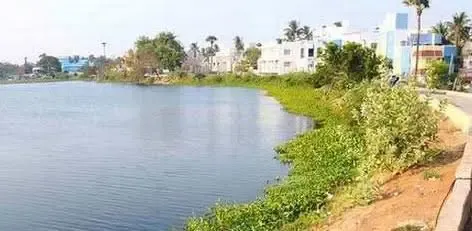
Currently, the reservoir contains about 3,645 million cubic feet of water, causing widespread inundation in its vicinity. Numerous areas along the reservoir's edge have been submerged, with over a hundred homes particularly impacted in neighborhoods near Nandambakkam.
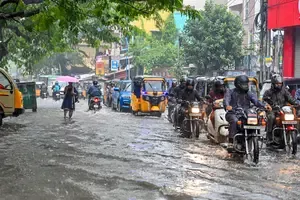
Roadways and pathways now resemble rivers, isolating entire groups of homes and disrupting normal mobility.
A large number of affected residents find themselves either partially or wholly cut off, forcing families to abandon their properties in search of safer accommodations. Many have opted to stay with relatives, while others have sought refuge in community shelters.
Daily life has been drastically interrupted, affecting schoolchildren, professionals, and laborers who are now unable to traverse the flooded areas.
What has particularly alarmed the locals is the unusual decision to keep the reservoir at full capacity without a regulated discharge, diverging from the customary practice of gradual water release that ensures the safety of surrounding regions.
The prolonged water stagnation raises concerns about potential health risks, including outbreaks of waterborne diseases.
Issues such as waste accumulation, worsening sanitation, and the presence of wildlife like reptiles and insects have intensified these fears.
This flooding situation brings to light the persistent vulnerabilities around the reservoir, where unregulated construction and encroachments have narrowed essential drainage pathways.
Officials note that many homes are situated in areas deemed unsafe for habitation, exacerbating the current crisis. Relief operations are ongoing, but accessibility challenges hinder swift assistance.
Authorities have set up temporary shelters and are deploying pumps and other equipment to manage standing water.
Experts caution that the continued retention of water at maximum capacity, coupled with the potential for additional rainfall, could further exacerbate the situation unless the reservoir is properly managed.
They emphasize the immediate need for controlled release of excess water to reduce further flooding and avert long-term health and environmental repercussions.
As of now, vast areas surrounding the Chembarambakkam Reservoir remain isolated, with residents anxiously awaiting decisive measures to restore some degree of normalcy.
Point of View
The situation surrounding the Chembarambakkam Reservoir highlights critical infrastructural issues that need addressing. The decision to retain water without regulated release raises serious concerns about public safety and environmental sustainability. Immediate and long-term solutions must be prioritized to safeguard communities and prevent future crises.
NationPress
30 Sept 2026
Frequently Asked Questions
What caused the flooding in Chennai?
The flooding in Chennai is primarily due to unprecedented rainfall leading to the Chembarambakkam Reservoir reaching full capacity, resulting in extensive inundation of nearby areas.
How have residents been affected by the flooding?
Residents have faced significant disruptions, with many homes submerged, forcing families to evacuate and seek shelter in safer locations.
What measures are being taken for relief?
Authorities are arranging temporary shelters and deploying pumps to manage stagnant water while working on accessibility for relief operations.
What health risks are associated with prolonged flooding?
Prolonged flooding raises concerns about waterborne diseases, worsened sanitation conditions, and potential encounters with wildlife.
What should be done to prevent future flooding?
Experts suggest implementing controlled water release mechanisms and addressing infrastructural vulnerabilities to mitigate future flooding risks.