Alarming Drop in Groundwater Levels Across Tamil Nadu as Summer Approaches
Synopsis
Groundwater levels in Tamil Nadu are plummeting, with nearly three-quarters of districts showing significant drops. This troubling trend emerges despite a year of excess rainfall, raising urgent concerns about the state's water sustainability as summer looms.
Key Takeaways
Groundwater levels have dropped significantly across Tamil Nadu.
29 out of 38 districts have reported declines.
Top declines observed in Dindigul and Tirupur .
Despite excess rainfall, groundwater recharge remains poor.
Urgent action is needed to ensure water sustainability .
Chennai, March 23 (NationPress) Groundwater levels in Tamil Nadu have experienced a notable decline, with 29 out of 38 districts reporting reductions in February compared to the same time last year, based on data from the State Ground and Surface Water Resources Data Centre under the Water Resources Department. This data reveals a troubling trend in water availability, even following a year of above-normal rainfall. The Dindigul and Tirupur districts reported the most significant drops, with groundwater levels decreasing by 2.58 metres each. Coimbatore saw a decline of 2.07 metres, while Salem (1.68 metres), Dharmapuri (1.62 metres), Karur (1.54 metres), and Perambalur (1.20 metres) also indicated significant reductions.
These drastic declines highlight increasing pressure on groundwater reserves, particularly in the western and central regions of the state.
Several other areas also showed moderate decreases. Madurai reported a drop of 1.27 metres, while Virudhunagar and Perambalur each experienced reductions of 1.20 metres. Namakkal (1.08 metres) and Erode (1.10 metres) also displayed notable declines. In northern Tamil Nadu, Tiruvallur recorded a reduction of 0.99 metres, and Tiruvannamalai noted a drop of 0.85 metres, underscoring widespread depletion across various regions.
In contrast, coastal and delta areas showed relatively minor changes. Nagapattinam recorded the least decline at merely 0.03 metres, followed by the Nilgiris (0.04 metres) and Tiruvarur (0.11 metres), indicating more stable groundwater conditions in these districts.
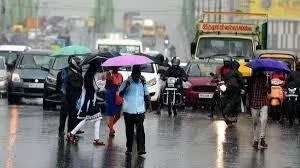
The extent of this depletion is particularly alarming considering that Tamil Nadu experienced 12 percent excess rainfall in 2025.
The India Meteorological Department’s Chennai centre reported 1,027.7 mm of rainfall against a normal of 920.9 mm. While Chengalpattu was the only district to report a rainfall deficit, ten districts enjoyed excess rainfall ranging from 20 to 59 percent above normal, with one district reporting an excess exceeding 60 percent.
Despite these favorable rainfall conditions, the ongoing decline in groundwater levels suggests issues with poor recharge, over-extraction, and likely inefficiencies in water management systems.
As summer approaches, this trend raises serious concerns regarding water sustainability, particularly in drought-prone and high-demand areas of the state.
Experts caution that unless immediate corrective actions are taken—including enhanced rainwater harvesting and regulated groundwater usage—Tamil Nadu may face severe water stress in the upcoming months.
Point of View
I observe that the alarming decline in groundwater levels across Tamil Nadu demands immediate attention. With many districts experiencing significant drops despite favorable rainfall, the situation calls for strategic interventions in water management to ensure sustainability for the future.
NationPress
24 Sept 2026
Frequently Asked Questions
What are the primary reasons for the groundwater decline in Tamil Nadu?
The decline is attributed to poor recharge, over-extraction of water, and possible inefficiencies in water management systems.
Which districts have shown the most significant drops in groundwater levels?
Dindigul and Tirupur have recorded the steepest declines, both falling by 2.58 metres.
How does the recent rainfall compare to the groundwater levels?
Despite receiving 12% excess rainfall in 2025, groundwater levels have continued to decline, indicating severe recharge issues.
What is the impact of this groundwater decline?
The decline raises serious concerns about water sustainability, particularly in drought-prone regions and areas with high demand.
What measures can be taken to improve groundwater levels?
Experts suggest implementing better rainwater harvesting practices and regulating groundwater usage to mitigate the crisis.