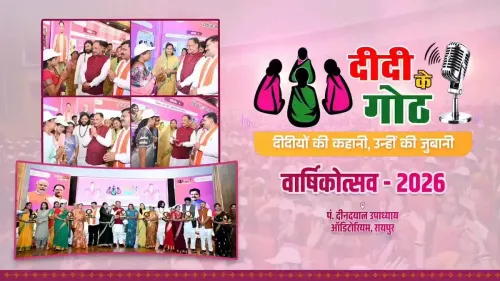
CM Office Chhattisgarh Highlights Didi Ke Goth Women Scheme
Synopsis
The Chief Minister's Office of Chhattisgarh on 10 July 2026 highlighted the Didi Ke Goth programme, which organises women's gatherings to deliver skill support, market access and social recognition, framing it as the state's 'Good Governance' commitment to building empowered families and a self-reliant society.
Key Takeaways
The Chief Minister's Office of Chhattisgarh promoted the Didi Ke Goth scheme on 10 July 2026 , highlighting its role in women's economic empowerment.
Didi Ke Goth organises women's community gatherings to deliver skill support, market linkages and social recognition across the state.
The primary beneficiaries are rural women and women's self-help group members engaged in micro-enterprises.
The state frames the initiative under its 'Sushasan Sarkar' (Good Governance Government) identity, linking women's empowerment to family prosperity and a self-reliant society.
The scheme mirrors market-linkage models used by other Indian states under national rural livelihood missions, reflecting a wider national policy consensus.
Independent evaluation reports measuring income growth and enterprise outcomes among participants are yet to be publicly released.
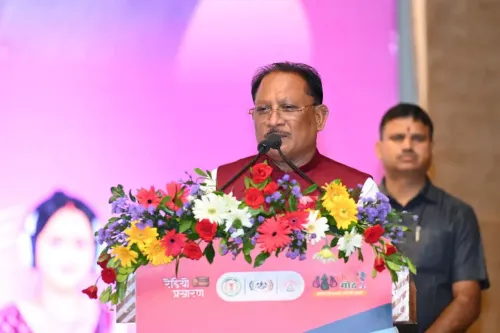
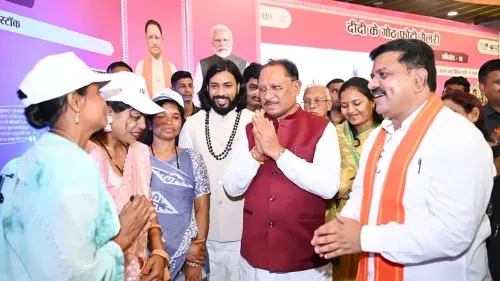
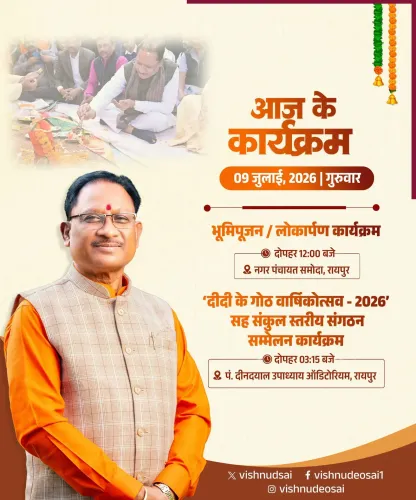
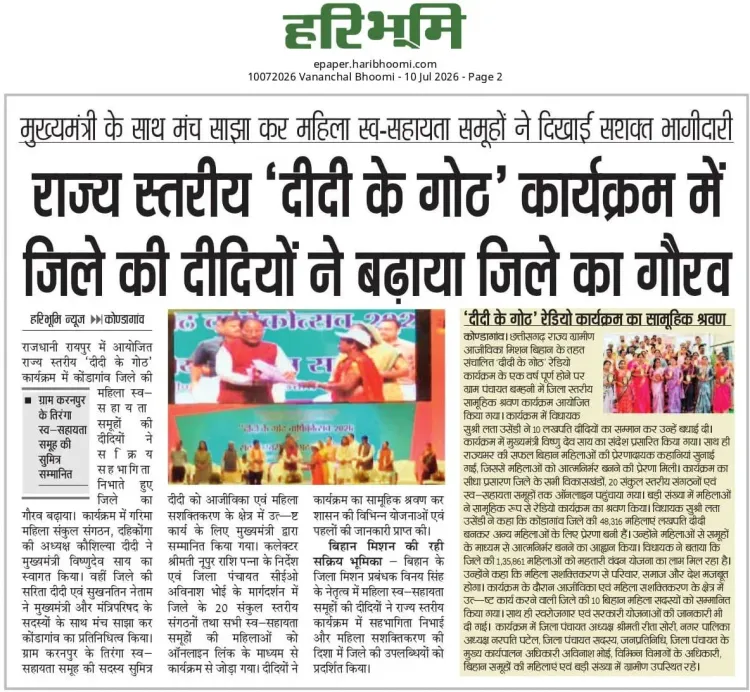
The Chief Minister's Office of Chhattisgarh on 10 July 2026 spotlighted the state's Didi Ke Goth initiative, sharing how the programme is translating women's aspirations into documented success stories by providing market access, social recognition and platforms for economic participation across the state.
Context
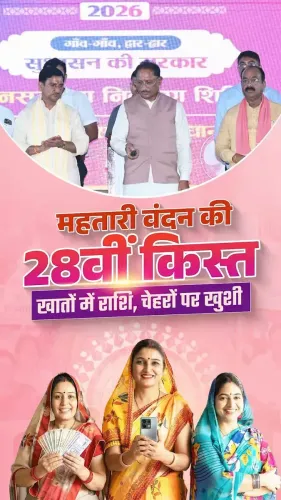
The post, shared in Hindi, declares: 'Didi Ke Goth, sapno se safalta tak ka safar' ('Didi Ke Goth — the journey from dreams to success'), framing the initiative as the engine of a self-described 'Sushasan Sarkar' ('Good Governance Government'). The messaging argues that by giving women a stage, dignity and identity, the administration is building what it calls 'empowered families, a self-reliant society and a prosperous Chhattisgarh.'
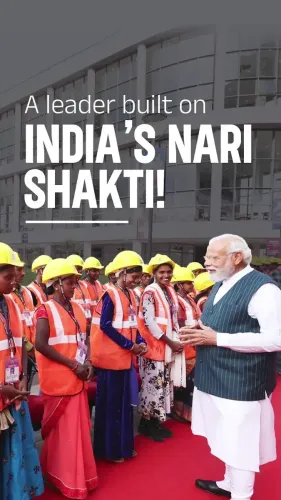
The post carries hashtags including #NariShakti, #WomenEmpowerment and #GoodGovernance, signalling that the communication is directed at both a domestic audience and a national policy conversation around women-led development.
Policy Backdrop
Didi Ke Goth is a Chhattisgarh state programme that organises women's community gatherings to deliver skill support, market linkages and social recognition for women engaged in economic activities, particularly in rural areas. The scheme is designed to complement the national rural livelihood architecture by adding a layer of identity and collective voice to existing self-help group networks.
Chhattisgarh governments across political cycles have consistently positioned women-focused welfare initiatives as central pillars of state development strategy, tying household income growth to broader social inclusion goals. This approach mirrors market-linkage and self-help group models adopted by several other Indian states under central rural livelihood missions, reflecting a wider national consensus on women as primary drivers of grassroots economic change.
Stakeholders and Impact
The primary beneficiaries of Didi Ke Goth are rural women and members of women's self-help groups across Chhattisgarh, many of whom operate micro-enterprises in agriculture, handicrafts, food processing and allied sectors. By providing a formal platform for recognition, the scheme aims to reduce the informal invisibility that often prevents women entrepreneurs from accessing credit, government support or organised markets.
Official messaging frames such gatherings as evidence of responsive governance delivering tangible opportunity — a narrative that also serves a political purpose by associating the current administration with visible, community-level outcomes for women voters ahead of future electoral cycles.
What's Next
Analysts and civil society observers will look for the release of state evaluation reports that measure income growth, enterprise formation or market-linkage outcomes among Didi Ke Goth participants. Any announced convergence between the state scheme and centrally-sponsored programmes — such as the DAY-NRLM (Deendayal Antyodaya Yojana – National Rural Livelihoods Mission) — would significantly expand its reach and funding base.
If the government follows through with data-backed impact assessments, Chhattisgarh could position Didi Ke Goth as a replicable model in the national conversation on women's economic empowerment — a space increasingly competitive among states seeking recognition for governance innovation.
Point of View
A strategy that has become standard practice for state governments seeking to build a women-centric development narrative. The emphasis on 'success stories' rather than aggregate data is telling: it prioritises emotional resonance over measurable outcomes, which is effective communication but limits accountability. Chhattisgarh is operating in a competitive space where multiple states are racing to claim leadership on women's economic empowerment, making independent impact verification increasingly important. Until state evaluation reports are released, the scheme's reach and depth remain aspirational rather than verified.
NationPress
10 Jul 2026
Frequently Asked Questions
What is Didi Ke Goth in Chhattisgarh?
Didi Ke Goth is a Chhattisgarh state initiative that organises community gatherings for women to provide market access, skill development support and social recognition, particularly targeting rural women and self-help group members.
Who benefits from Didi Ke Goth scheme?
Rural women and members of women's self-help groups across Chhattisgarh are the primary beneficiaries, with the programme aimed at connecting them to markets, government support and opportunities for economic participation.
What does Sushasan Sarkar mean in the context of Chhattisgarh?
'Sushasan Sarkar' translates to 'Good Governance Government' and is the self-description used by the current Chhattisgarh administration to brand its welfare and development initiatives, including women-focused schemes like Didi Ke Goth.
How does Didi Ke Goth relate to national rural livelihood schemes?
Didi Ke Goth complements the national rural livelihood architecture — such as DAY-NRLM — by adding a state-level layer of community recognition and market linkage for women already participating in self-help group networks.
What is Nari Shakti as promoted by Chhattisgarh government?
Nari Shakti, meaning 'women's power,' is the broader theme under which the Chhattisgarh government groups its women-empowerment programmes, framing female economic participation as central to household prosperity and state development.