CM Office Uttarakhand Launches Sewa Pakhwada Drive
Synopsis
The Chief Minister's Office of Uttarakhand launched Sewa Pakhwada on 9 July 2026, a fortnight-long citizen-outreach drive promising government services at every resident's doorstep under the motto 'Sewa, Sushashan, Samarpan' — extending the state's decade-long doorstep governance push.
Key Takeaways
The Chief Minister's Office of Uttarakhand announced Sewa Pakhwada on 9 July 2026 via an official post on X.
The campaign's motto is 'Sewa, Sushashan, Samarpan' — Service, Good Governance, Dedication — with services delivered at citizens' doorsteps.
The initiative builds on Uttarakhand's 'Sarkar Aapke Dwar' programme launched in 2016 to reduce citizen visits to government offices.
The state expanded its e-governance portal and Common Service Centres between 2018 and 2020 to support panchayat-level service delivery.
Primary beneficiaries are rural citizens in hilly and remote districts who face geographic barriers to accessing government offices.
District-level camp schedules and service-delivery numbers will be the key metrics to watch during the fortnight.
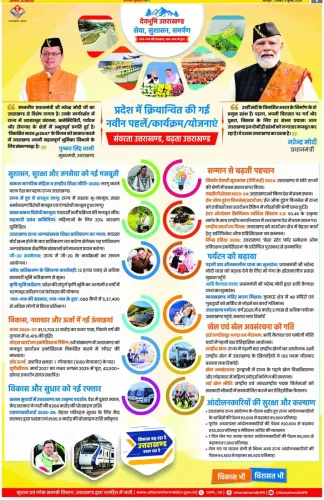
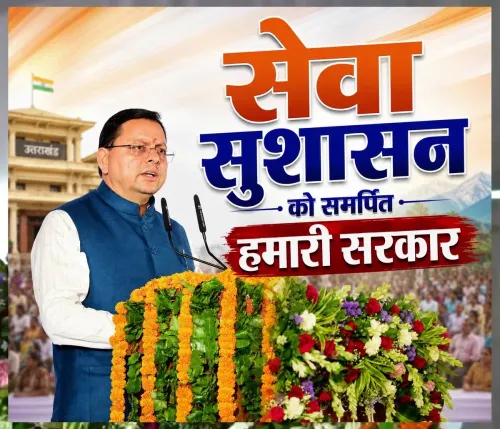
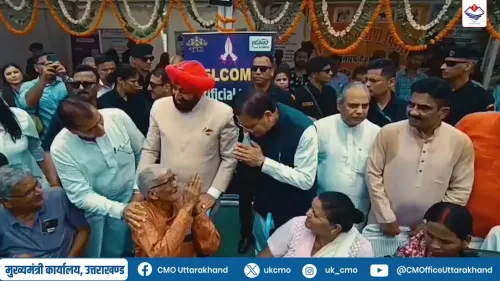
The Chief Minister's Office of Uttarakhand on Thursday, 9 July 2026 announced the launch of Sewa Pakhwada, a fortnight-long citizen-outreach campaign framed under the motto 'Sewa, Sushashan, Samarpan' (Service, Good Governance, Dedication), positioning the initiative as a government that reaches every citizen at their doorstep.
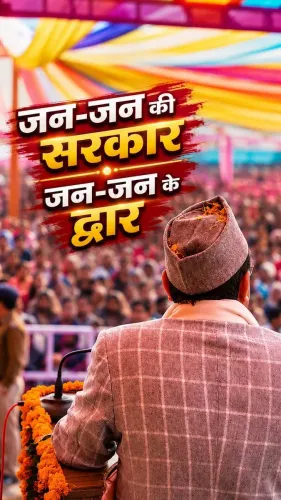
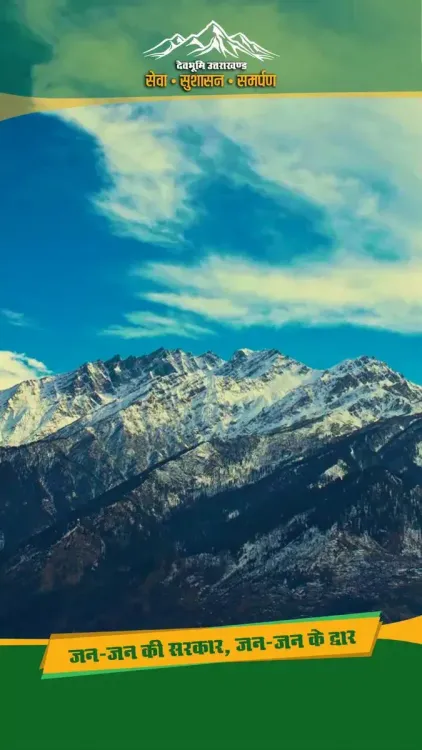
The official post declared: 'Devbhoomi Uttarakhand: Sewa, Sushashan, Samarpan — Jan-Jan ki Sarkar, Jan-Jan ke Dwar' — translated as 'A government for every citizen, at every citizen's door' — encapsulating the campaign's core promise of bringing state services directly to residents rather than requiring them to travel to administrative offices.
Context
Sewa Pakhwada is a periodic, fortnight-long service campaign adopted by several Indian state governments to deliver public services at the grassroots level. In Uttarakhand, the campaign builds on the state's longstanding administrative identity as Devbhoomi — a constitutionally recognised northern hill state where remote terrain has historically made access to government offices difficult for rural populations.
The campaign's branding — 'Jan-Jan ki Sarkar, Jan-Jan ke Dwar' — directly echoes language used in the state's 2022–2025 administrative reform documents, suggesting this edition is part of a structured, multi-year governance push rather than a standalone event.
Policy Backdrop
Uttarakhand launched its flagship 'Sarkar Aapke Dwar' (Government at Your Doorstep) programme in 2016, aimed at reducing the number of trips citizens needed to make to government offices for routine certificates, revenue documents, and welfare entitlements. Between 2018 and 2020, the state expanded its e-governance portal and Common Service Centres (CSCs) to digitise a wide range of services at the panchayat level.
Sewa Pakhwada sits within this broader arc: combining field-level camps staffed by panchayat functionaries with social-media visibility to project a citizen-first administration. Indian states routinely organise such themed campaigns, but Uttarakhand's version has consistently emphasised the 'sewa, sushashan, samarpan' triad as a defining administrative philosophy.
Stakeholders and Impact
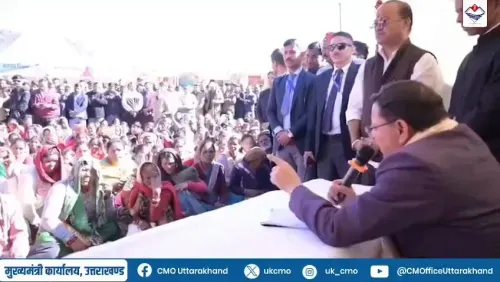
The primary beneficiaries are rural citizens — particularly those in the state's hilly and remote districts — who face geographical barriers in accessing district headquarters or block-level offices. Panchayat-level functionaries serve as the frontline delivery mechanism, conducting camps and processing applications on-site.
For residents, the campaign can mean same-day access to services such as income certificates, caste certificates, land records, and welfare scheme enrolments that would otherwise require multiple office visits. The social-media push under #SewaPakhwada and #Uttarakhand also signals an intent to document and publicise service delivery numbers as a governance metric.
What's Next
Observers will watch for district-level camp schedules, the number and variety of services delivered during the fortnight, and whether the campaign results in any cabinet decisions on making doorstep-delivery mechanisms permanent. The state's track record with Sarkar Aapke Dwar suggests that successful Sewa Pakhwada editions have historically fed into policy consolidation, with high-demand services being integrated into the regular CSC framework.
The broader question is whether this edition of Sewa Pakhwada produces verifiable delivery data that can inform Uttarakhand's next phase of administrative reform — a test the state's governance narrative will be judged against.
Point of View
Sushashan, samarpan' language that already appears in its 2022–2025 reform documents, the administration signals institutional continuity rather than electoral improvisation. The real test will be whether this edition produces auditable delivery data — service counts, beneficiary records, district-wise coverage — that can justify permanent expansion of doorstep mechanisms. If it does, Uttarakhand could offer a replicable model for other geographically challenging states; if it does not, the campaign risks being seen as periodic optics rather than structural change.
NationPress
9 Jul 2026
Frequently Asked Questions
What is Sewa Pakhwada in Uttarakhand?
Sewa Pakhwada is a fortnight-long citizen-outreach campaign organised by the Uttarakhand government to deliver public services — such as certificates, land records, and welfare enrolments — directly at citizens' doorsteps through panchayat-level camps, reducing the need for residents to visit government offices.
What does 'Jan-Jan ki Sarkar, Jan-Jan ke Dwar' mean?
The phrase translates to 'A government for every citizen, at every citizen's door.' It is the tagline of Uttarakhand's Sewa Pakhwada campaign, emphasising that government services should be accessible to every resident, particularly those in remote hill areas.
What is the 'Sarkar Aapke Dwar' programme in Uttarakhand?
Sarkar Aapke Dwar (Government at Your Doorstep) is a programme launched by Uttarakhand in 2016 to reduce the number of trips citizens need to make to government offices by bringing services to local camps and, later, through digital Common Service Centres.
Who benefits from Uttarakhand's Sewa Pakhwada?
The primary beneficiaries are rural and remote-area residents of Uttarakhand, especially those in hilly districts where travel to district headquarters or block offices is time-consuming and expensive. Panchayat-level functionaries conduct the on-ground camps.
What services are delivered under Sewa Pakhwada?
Typical services include income certificates, caste certificates, land and revenue records, and enrolment in state welfare schemes. These are processed on-site at local camps, often in a single visit, under Uttarakhand's doorstep governance framework.