CM Bhupendra Patel Congratulates India on SAFF Women's Title
Synopsis
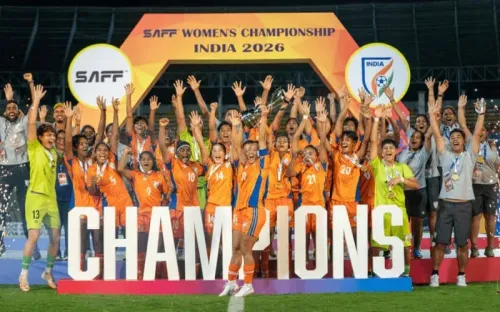
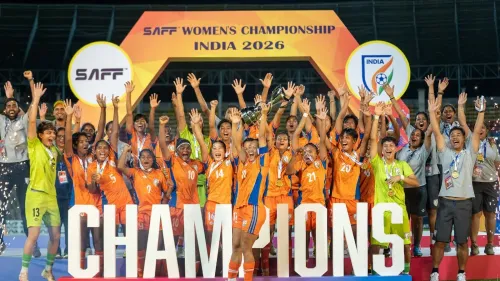
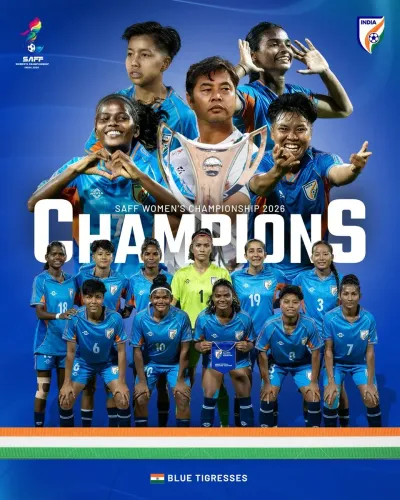
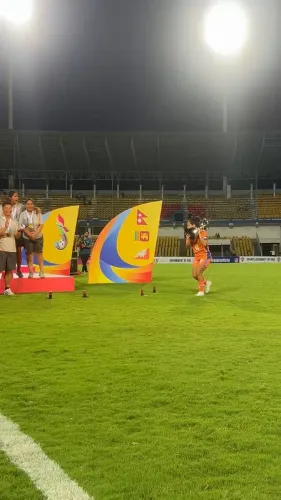
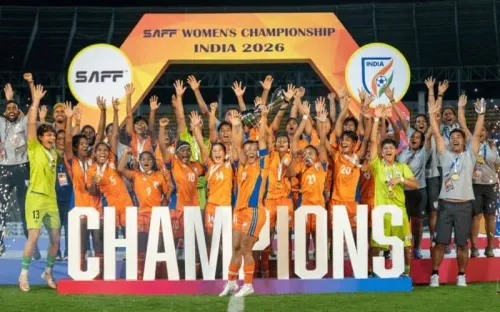
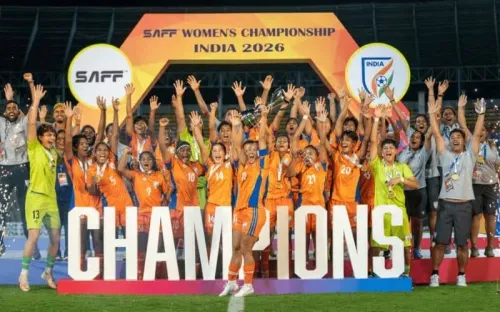
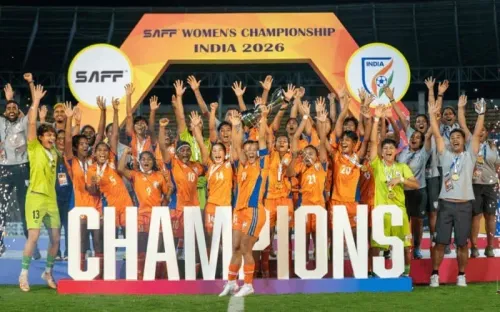
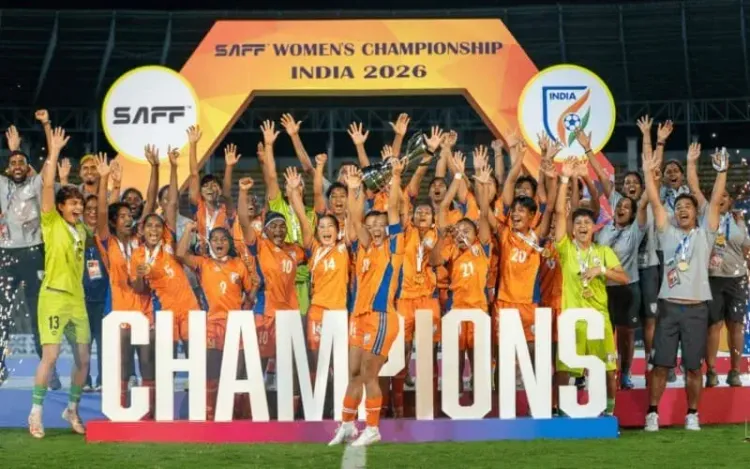
Gujarat Chief Minister Bhupendra Patel congratulated the Indian Women's Football Team on winning the SAFF Women's Championship 2026, saying the 'remarkable victory' would inspire young girls to dream big in sports.
Key Takeaways
Gujarat CM Bhupendra Patel posted a congratulatory message on June 7, 2026 after India won the SAFF Women's Championship 2026 .
He described the win as 'remarkable' and said it would inspire 'a new generation of young footballers, especially our daughters.' The SAFF Women's Championship is South Asia's premier women's football tournament, organised by the South Asian Football Federation .
The Khelo India programme, launched in 2017 , has been a central policy vehicle for expanding girls' participation in football at the grassroots level.
The victory is expected to strengthen India's position heading into upcoming AFC Women's Asian Cup qualification rounds.
Gujarat Chief Minister Bhupendra Patel on Sunday, June 7, 2026, congratulated the Indian Women's Football Team on winning the SAFF Women's Championship 2026, calling the triumph 'remarkable' and expressing hope that it would inspire young girls across the country to pursue football at the highest level.
Context
Posting on X, CM Patel wrote that the victory would 'inspire a new generation of young footballers, especially our daughters, to dream big and excel in sports.' He extended best wishes to the squad for 'continued success in the years ahead.' The message reflects a wider pattern among Indian political leaders of publicly acknowledging regional sports wins to signal institutional support for women's athletics.
The SAFF Women's Championship is the premier women's football tournament in South Asia, organised by the South Asian Football Federation (SAFF), whose member nations include India, Nepal, Bangladesh, and Sri Lanka. The biennial tournament has historically been the primary competitive arena where the Indian women's side builds match experience ahead of continental and global qualifiers.
Policy Backdrop
The congratulatory message arrives against the backdrop of the Khelo India programme, launched in 2017, which was designed to expand grassroots sports infrastructure with an explicit focus on girls' participation and football development. The initiative has channelled funding into district-level academies and competitive exposure for young female athletes.
BJP-governed states, including Gujarat, have incrementally raised budgetary outlays for women's sports facilities since 2014 as part of broader gender-inclusion messaging. Public endorsements by chief ministers after regional victories are part of that signalling framework, reinforcing the narrative that state governments are invested in women's sporting ambitions.
Stakeholders and Impact
The most immediate beneficiaries of such public recognition are young female athletes in states like Gujarat, where visibility of role models in football remains limited compared to cricket. Statements from senior political figures can translate into increased institutional attention — from state sports departments, school programmes, and district football associations — toward women's football infrastructure.
For the Indian Women's Football Team itself, a SAFF title strengthens the squad's standing within the All India Football Federation and can bolster the case for higher training budgets, better foreign exposure tours, and stronger support staff ahead of upcoming AFC Women's Asian Cup qualifiers.
What's Next
Attention will now turn to the Indian Women's Football Team's performance in forthcoming AFC Women's Asian Cup qualification rounds, where the SAFF title will be expected to translate into continental competitiveness. Domestically, observers will watch whether states like Gujarat follow political congratulations with concrete budget announcements for girls' football academies. A sustained pipeline from grassroots Khelo India programmes to senior national selection remains the longer-term policy challenge for women's football in India.
Point of View
' the message taps into a familiar political idiom that links national athletic success to aspirational narratives for young girls. The timing also reinforces the Khelo India policy arc, lending political visibility to a programme that has quietly expanded women's football infrastructure over nearly a decade. Whether such messaging translates into measurable state-level investment in Gujarat's football ecosystem will be the more consequential test.
NationPress
22 Oct 2026
Frequently Asked Questions
Did India win the SAFF Women's Championship 2026?
Yes, the Indian Women's Football Team won the SAFF Women's Championship 2026, prompting congratulations from leaders including Gujarat Chief Minister Bhupendra Patel.
What is the SAFF Women's Championship?
The SAFF Women's Championship is a biennial women's football tournament organised by the South Asian Football Federation, involving nations such as India, Nepal, Bangladesh, and Sri Lanka.
Why did CM Bhupendra Patel post about the SAFF Women's Championship?
CM Patel posted a congratulatory message on X to celebrate India's victory, expressing hope that the win would inspire young girls to pursue football and excel in sports.
What is the Khelo India programme and how does it relate to women's football?
Khelo India is a central government programme launched in 2017 to develop grassroots sports infrastructure, with an explicit focus on increasing girls' participation in sports including football.
What comes next for the Indian Women's Football Team after SAFF 2026?
The team is expected to participate in AFC Women's Asian Cup qualification rounds, where the SAFF title will be a benchmark for their continental ambitions.