CM Bhupendra Patel Attends Night Sabha in Navsari's Khergam
Synopsis
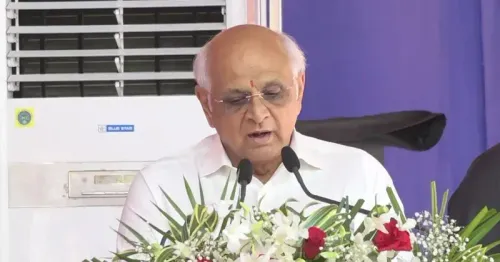
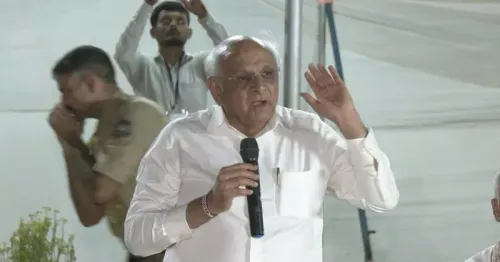
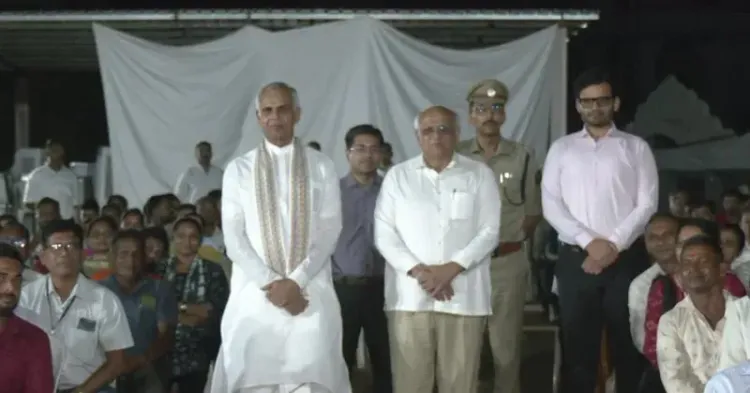
Gujarat Chief Minister Bhupendra Patel attended a live night public meeting at Panikhark village in Khergam taluka, Navsari district, on 18 June 2026, continuing the state's institutionalised raatri sabha outreach model for rural and tribal communities.
Key Takeaways
CM Bhupendra Patel attended a raatri sabha at Panikhark village, Khergam taluka, Navsari district on 18 June 2026 .
The event was broadcast live on X, reflecting the administration's real-time digital outreach approach.
Navsari district has significant tribal and agrarian populations in south Gujarat who are primary stakeholders of such outreach.
Gujarat BJP governments have conducted village-level night meetings since at least the early 2000s as a structured grievance redressal format.
CM Patel has maintained and expanded this outreach model since assuming office in September 2021 .
Follow-up on any local commitments from the meeting is expected through district administration channels.
Gujarat Chief Minister Bhupendra Patel attended a raatri sabha (night public meeting) at Panikhark village, Khergam taluka, Navsari district, on the evening of Thursday, 18 June 2026, continuing the state government's practice of direct grassroots outreach in rural and tribal areas of south Gujarat.
Context
The CM's post, shared live from the venue, read: 'Raatri sabha karyakramman upasthiti. Sthal: Mu. Panikhark, Ta. Khergam, Ji. Navsari' — announcing his live attendance at a night-meeting programme in Panikhark, a village in Navsari district of south Gujarat. The event was streamed live on X, reflecting the administration's use of social media for real-time public communication.
Navsari district is home to significant tribal and agrarian communities, and Khergam taluka encompasses coastal and interior villages where access to state leadership has historically been limited to periodic outreach drives.
Policy Backdrop
Gujarat's BJP governments have institutionalised the raatri sabha format since at least the early 2000s as a mechanism for village-level grievance redressal and direct administrative contact. These night meetings are designed to reach working residents — farmers, daily-wage labourers, and tribal community members — who cannot attend daytime government programmes.
The format operates outside formal bureaucratic channels, allowing residents to raise concerns on local development, infrastructure, water supply, and welfare schemes directly before senior leadership. CM Patel has continued and expanded this outreach model since taking office in September 2021, conducting district tours across Gujarat's rural belt.
Stakeholders and Impact
The primary beneficiaries of such raatri sabhas are rural residents, tribal communities, and small farmers in talukas like Khergam, where development gaps and welfare delivery remain active concerns. Direct access to the Chief Minister at the village level creates a compressed feedback loop between local populations and the state administration.
For Navsari district — which borders Surat and carries both agricultural and industrial significance — the CM's presence signals continued political and administrative attention to south Gujarat's non-urban constituencies.
What's Next
Any specific project announcements or commitments made during the Panikhark meeting are expected to surface through subsequent district administration communications. CM Patel's district tour schedule for the coming months will indicate whether this Navsari visit is part of a broader south Gujarat outreach circuit. Follow-up action on grievances raised at such night meetings is typically tracked through the state's district collector offices.
Point of View
High-visibility mechanism that keeps the chief minister visually proximate to rural constituencies without requiring formal policy announcements. CM Patel's visit to Panikhark in Navsari fits a well-worn template of decentralised outreach that the party has refined over two decades. For a district with tribal communities and agricultural dependencies, the optics of a sitting CM arriving at a village at night carry disproportionate political weight relative to the administrative effort involved. The live broadcast dimension adds a newer layer, converting a local event into statewide visibility.
NationPress
17 Sept 2026
Frequently Asked Questions
What is a raatri sabha in Gujarat?
A raatri sabha is a night public meeting held by Gujarat government leaders at the village level, designed to allow rural residents — including farmers and tribal communities — to raise grievances and interact directly with senior officials or ministers outside working hours.
Why did CM Bhupendra Patel visit Navsari on 18 June 2026?
CM Bhupendra Patel attended a raatri sabha programme at Panikhark village in Khergam taluka, Navsari district, as part of the Gujarat government's ongoing grassroots outreach initiative for rural and tribal communities.
Where is Panikhark village located?
Panikhark village is located in Khergam taluka, Navsari district, in the south Gujarat region of the state.
What is the BJP Gujarat government's raatri sabha programme?
The raatri sabha programme is an institutionalised outreach format used by Gujarat's BJP governments since the early 2000s, where senior leaders hold night meetings in villages to hear local grievances and discuss development and welfare issues directly with residents.
What communities does the Khergam Navsari outreach target?
The outreach in Khergam taluka, Navsari primarily targets rural residents, tribal communities, small farmers, and daily-wage workers who have limited access to formal government channels during regular working hours.