CM Pema Khandu Launches 12th National Handloom Day in Itanagar
Synopsis
Chief Minister Pema Khandu inaugurated three-day National Handloom Day celebrations in Itanagar on 7 August 2026, announcing the Arunachal Handloom and Handicrafts Policy 2025, digital platforms ArunShilp and Digital Yarn Depot, and a target of 50 GI-registered craft products by 2030.
Key Takeaways
Pema Khandu launched the 12th National Handloom Day celebrations in Itanagar on 7 August 2026 .
The state unveiled the Arunachal Handloom and Handicrafts Policy 2025 alongside modernised Craft Centres and new marketing infrastructure.
Two digital platforms — ArunShilp and the Digital Yarn Depot — are central to connecting artisans with wider markets.
Arunachal Pradesh currently holds 11 GI-registered products and has set a target of 50 GI tags by 2030 .
National Handloom Day is observed on 7 August each year since 2015 , marking the Swadeshi movement anniversary.
GI registration under the 1999 Act gives craft products legal regional identity, enabling premium market positioning domestically and internationally.
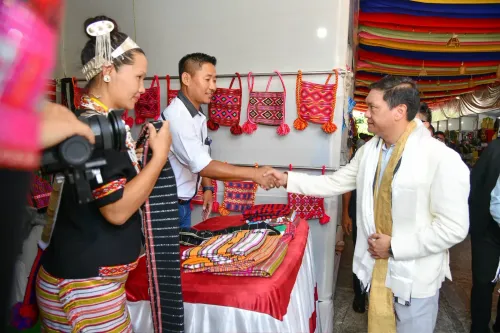
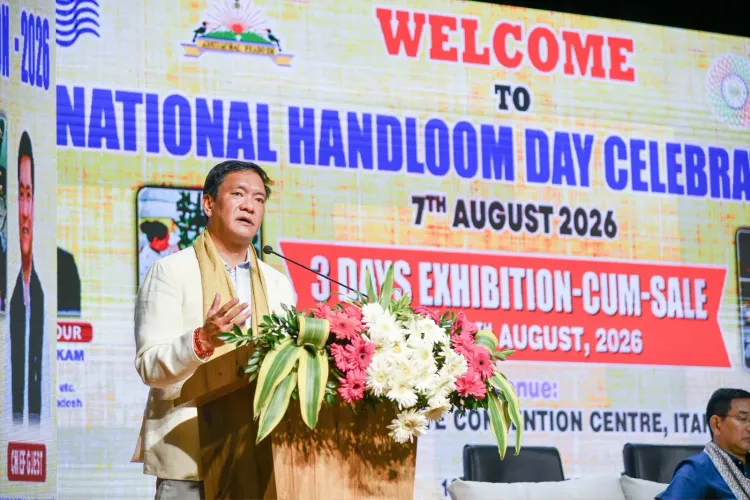
Arunachal Pradesh Chief Minister Pema Khandu on Friday, 7 August 2026, inaugurated a three-day celebration of the 12th National Handloom Day in Itanagar — putting the state's weavers and artisans at the centre of an ambitious push to carry tribal craft traditions into global markets.
From Craft Centres to Digital Depots: Arunachal's New Handloom Architecture
Khandu outlined a layered strategy anchoring the state's handloom future: the Arunachal Handloom and Handicrafts Policy 2025, modernised Craft Centres, fresh marketing infrastructure, and two digital platforms — ArunShilp and the Digital Yarn Depot. The approach signals a deliberate move beyond preservation-for-preservation's-sake, instead threading heritage directly into commerce. 'Our focus is to preserve our unique traditions while embracing technology, innovation and modern markets,' Khandu said.
The digital tools are designed to solve a persistent problem for northeastern artisans: geographic isolation that keeps world-class craft from reaching buyers who would pay for it. A yarn depot going digital is a small detail that carries large consequences — it means a weaver in a remote Arunachali village can source material and list products without a middleman.
11 GI Tags Down, 50 by 2030: The Stakes of the Registration Race
The most concrete number Khandu put on the table: 11 Geographical Indication-registered products already secured, with a target of 50 GI tags by 2030. That is an ambitious fourfold expansion in under five years. GI registration, governed by the Geographical Indications of Goods (Registration and Protection) Act, 1999, gives a product legal identity tied to its region of origin — it is the difference between 'a tribal textile' and a legally protected, market-differentiated commodity that commands a premium.
Northeastern states have increasingly used GI status as both a cultural shield and an economic lever, linking local products to national branding schemes and export pipelines. Arunachal's 50-tag target, if met, would place it among the more aggressive GI pursuers in the region. Each tag is, in effect, a new market passport for a specific community of weavers or craftspeople.
National Handloom Day and the Swadeshi Thread Running Through It
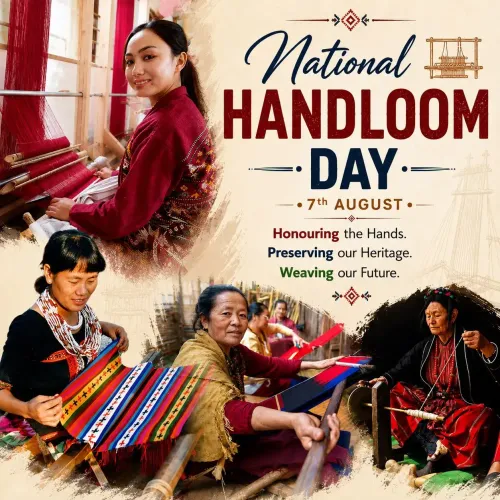
National Handloom Day has been observed every 7 August since 2015, the date chosen to honour the anniversary of the Swadeshi movement — a deliberate historical anchor connecting homespun cloth to national identity. The 12th edition finds the sector at a crossroads where government policy, digital commerce, and export ambition are converging faster than at any point since the day was instituted.
For Arunachal Pradesh — a state whose 26 major tribes each carry distinct weaving traditions — the stakes are especially high. Craft is not a cottage industry footnote here; it is a living cultural record. The question the next four years will answer is whether policy architecture and digital reach can translate that record into sustained livelihoods.
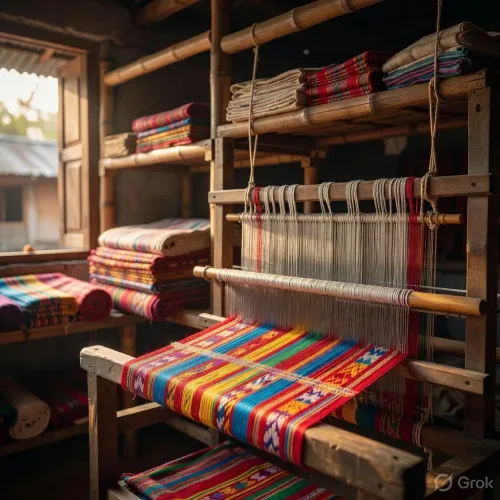
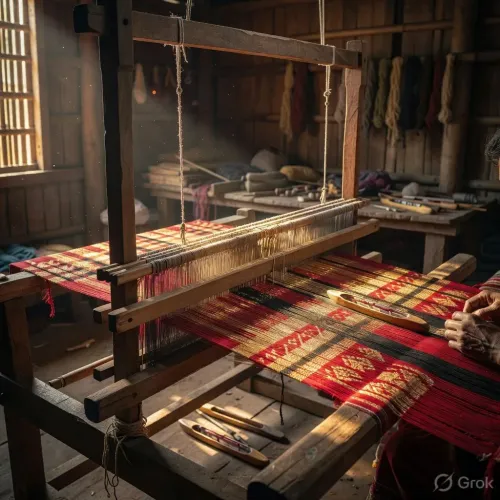
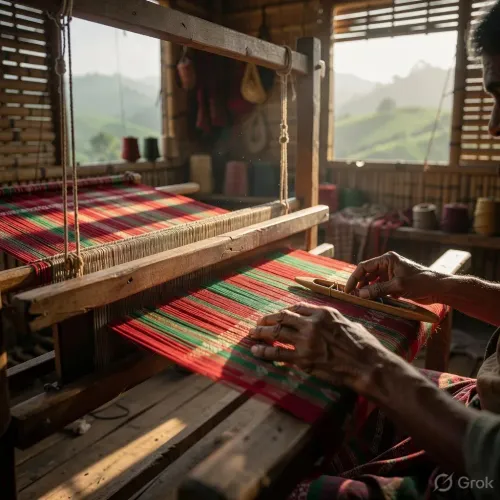
The looms are already running. The market infrastructure is being built around them. Watch the GI registration pace and the adoption of ArunShilp — those two metrics will tell the real story of whether Arunachal's handloom ambition holds.
Point of View
Digital platforms, and export pipelines reframed as instruments of tribal empowerment rather than mere preservation. The 50-GI-by-2030 target is politically legible: it gives the government a measurable, headline-friendly benchmark ahead of election cycles. Northeastern states have historically lagged in translating rich craft traditions into market income, and Arunachal's digital-first approach — if implemented — could serve as a replicable model for the region. The real test is institutional follow-through on ArunShilp adoption and GI filing pace, not the announcement itself.
NationPress
7 Aug 2026
Frequently Asked Questions
What is National Handloom Day and when is it celebrated?
National Handloom Day is observed every 7 August in India since 2015 , chosen to mark the anniversary of the Swadeshi movement and to highlight the handloom sector's economic and cultural role.
What is the Arunachal Handloom and Handicrafts Policy 2025?
It is a state policy announced by Chief Minister Pema Khandu aimed at modernising Craft Centres, building marketing infrastructure, and promoting digital tools to connect Arunachal's weavers and artisans to national and global markets.
What are ArunShilp and the Digital Yarn Depot?
ArunShilp and the Digital Yarn Depot are digital platforms launched under Arunachal Pradesh's handloom initiative, designed to help artisans source materials and market their products without geographic or logistical barriers.
How many GI tags does Arunachal Pradesh have and what is its 2030 target?
Arunachal Pradesh currently has 11 GI-registered products and has set a target of 50 GI tags by 2030 , which would represent a fourfold expansion in under five years.
What is a GI tag and why does it matter for handloom products?
A Geographical Indication tag, granted under the Geographical Indications of Goods (Registration and Protection) Act, 1999 , legally ties a product to its region of origin, enabling artisans to command market premiums and protecting the craft from imitation.