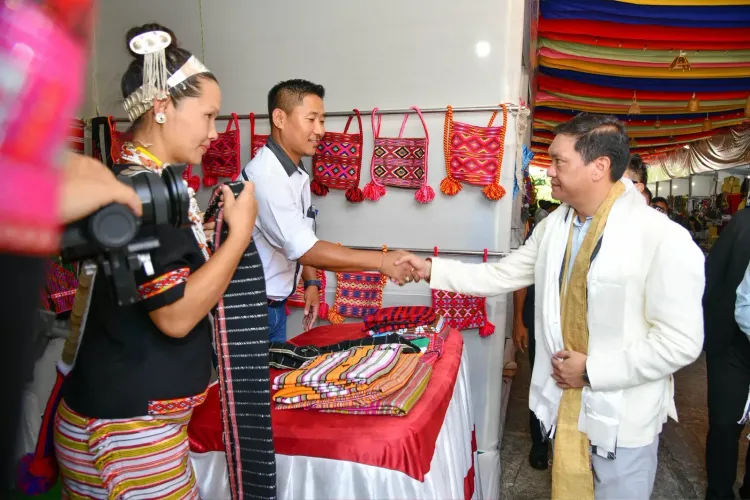
CM Pema Khandu visits National Handloom Day exhibition
Synopsis
On National Handloom Day 2026, Arunachal Pradesh CM Pema Khandu visited a tribal handloom exhibition, praising weavers and entrepreneurs blending tradition with innovation across the state's 25-plus tribes.
Key Takeaways
CM Pema Khandu visited the National Handloom Day exhibition on 7 August 2026 in Arunachal Pradesh.
He praised the 'vibrant stalls' showcasing weaving traditions of the state's diverse tribal communities.
Arunachal Pradesh is home to more than 25 major tribes , each with a distinct weaving heritage.
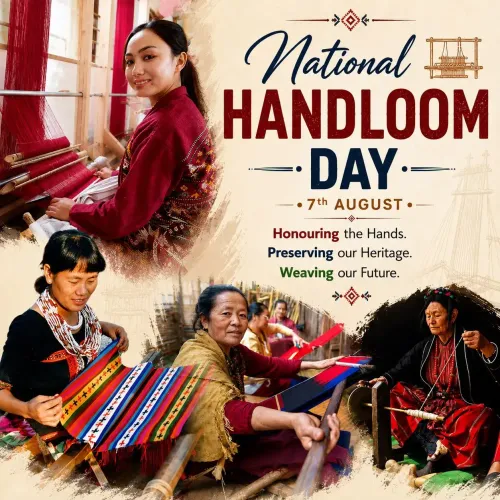
National Handloom Day has been observed annually on 7 August since 2015 , instituted by the central government.
Khandu highlighted entrepreneurial innovation as equally important as tradition in the state's craft ecosystem.
The event reflects a wider Northeast India pattern of linking tribal handlooms to contemporary markets and skill development.
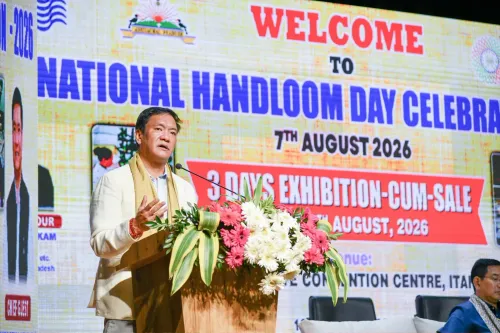
Arunachal Pradesh's looms are speaking — and Chief Minister Pema Khandu was listening. On National Handloom Day, 7 August 2026, Khandu visited a handloom exhibition showcasing the weaving traditions of the state's diverse tribal communities, calling the stalls 'vibrant' and the artisan-entrepreneurs 'inspiring.'
Posting on X, Khandu wrote: 'Our weavers and artisans are doing tremendous work. I was impressed by the vibrant stalls put up at the National Handloom Day exhibition, showcasing the beautiful traditions of our different tribes. Equally inspiring are the innovations by our entrepreneurs, bringing new ideas to our traditional crafts.'
Arunachal's tribal looms on display
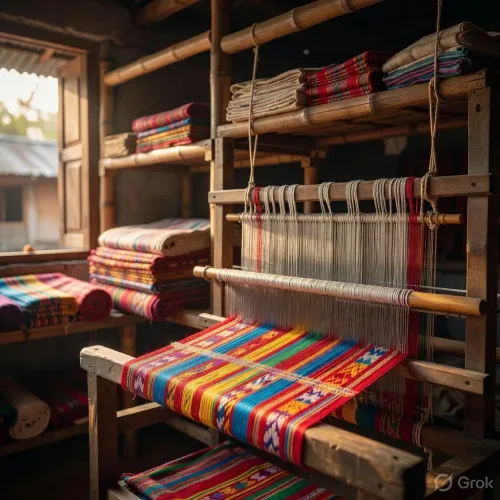
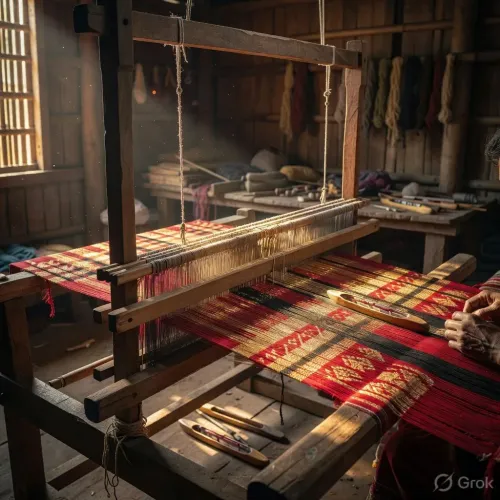
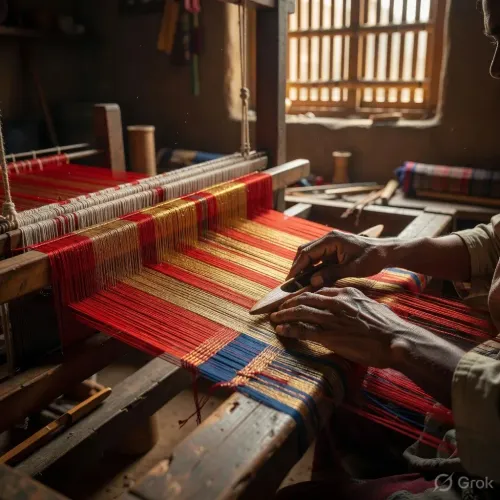
Arunachal Pradesh is home to more than 25 major tribes, each carrying a distinct weaving vocabulary — from the bold geometric patterns of the Adi to the fine cotton work of the Nyishi. Exhibitions on National Handloom Day have become a regular platform for the state to put these traditions in front of wider audiences, linking them to tourism and market access.
What stood out this year, according to Khandu, was not just the preservation of old forms but the entrepreneurial energy layered on top — artisans and young innovators merging ancestral craft with contemporary design and commerce.
A national observance with Northeast roots
The central government instituted National Handloom Day in 2015, choosing 7 August to mark the anniversary of the Swadeshi Movement of 1905 — a date that ties the handloom sector to India's broader story of self-reliance. Since then, state governments across the country, and particularly in the Northeast, have used the occasion to stage exhibitions, announce cluster-support schemes, and connect weavers with designers and buyers.
For Arunachal, the stakes are cultural as much as economic. The state's weaving traditions are a living archive of tribal identity, and any erosion of the craft carries consequences that go beyond income.
Craft meets commerce in the hills
The broader national pattern is clear: handloom promotion in India's northeastern states increasingly pairs heritage preservation with entrepreneurship nudges — design interventions, e-commerce linkages, and skill-development programmes. Khandu's emphasis on 'innovations by entrepreneurs' fits squarely into that arc, signalling that the state views its weavers not as museum pieces but as economic actors with contemporary ambitions. Whether this visit translates into fresh policy support — GI tag applications, state expo participation, or new cluster funding — is the question the artisan community will be watching.
Point of View
The CM signals alignment with the central government's broader handloom cluster and self-reliance narrative — useful optics for a BJP-governed frontier state seeking policy attention and funding. The real test will be whether ceremonial visibility converts into concrete support: GI registrations, export linkages, or dedicated budget lines for artisan communities.
NationPress
7 Aug 2026
Frequently Asked Questions
What is National Handloom Day and when is it celebrated?
National Handloom Day is observed every year on 7 August to honour India's weaving community and promote the handloom sector. It was instituted by the central government in 2015 to mark the anniversary of the Swadeshi Movement of 1905.
What did CM Pema Khandu say at the National Handloom Day exhibition?
CM Khandu said he was 'impressed by the vibrant stalls' at the exhibition and called the innovations by artisan-entrepreneurs 'equally inspiring,' praising the blending of tribal tradition with new ideas.
How many tribes does Arunachal Pradesh have?
Arunachal Pradesh is home to more than 25 major tribes , each with its own distinctive weaving traditions that form a core part of the state's cultural identity.
Why does Arunachal Pradesh participate in National Handloom Day events?
The state uses National Handloom Day exhibitions to showcase its tribal textiles to wider audiences, support market access for weavers, and connect traditional craft with tourism and skill-development programmes.
What could follow from CM Khandu's visit to the handloom exhibition?
Observers will watch for state-level announcements on Geographical Indication (GI) registrations for Arunachal weaving traditions, participation in national handloom expos, or new cluster-support funding for artisan communities.