CM Rekha Gupta Reaffirms Antyodaya Vision for Delhi
Synopsis
Delhi Chief Minister Rekha Gupta on 19 July 2026 publicly reaffirmed her administration's commitment to Antyodaya and social harmony, pledging that development benefits will reach every citizen of Delhi — echoing the BJP's core governance philosophy drawn from Deendayal Upadhyaya's thought.
Key Takeaways
CM Rekha Gupta publicly reaffirmed the Delhi government's commitment to Antyodaya and Samajik Samrasta on 19 July 2026 .
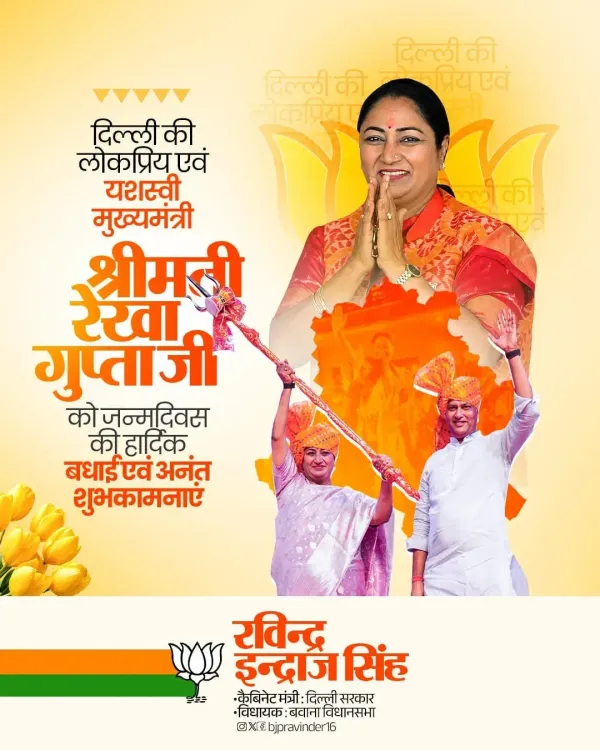
The message was addressed to a BJP colleague in the Delhi government, @bjpravinder16 , in response to his wishes.
The Antyodaya philosophy — upliftment of the poorest — is drawn from Pandit Deendayal Upadhyaya , the BJP's foundational ideologue.
The BJP has made Antyodaya and Samrasta explicit governance themes across states it governs since 2014 .
The stated goal is ensuring development benefits reach every citizen of Delhi , with marginalised communities as the primary focus.
Policy watchers will track new Antyodaya-linked schemes in the upcoming Delhi budget and assembly session.
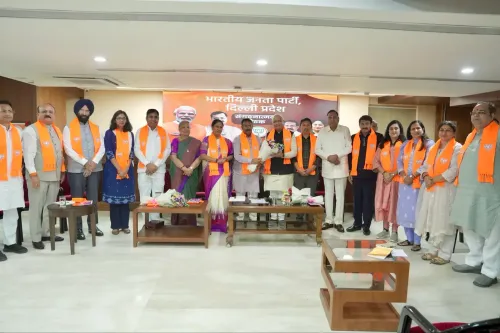
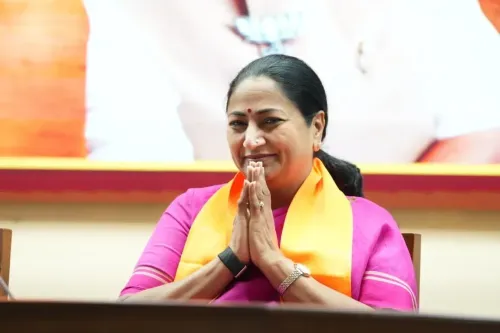
Delhi Chief Minister Rekha Gupta on Sunday, 19 July 2026, publicly acknowledged a colleague in the Delhi government, reaffirming her administration's commitment to the principles of Antyodaya (upliftment of the last person in line) and Samajik Samrasta (social harmony) as the twin pillars of governance in the national capital.
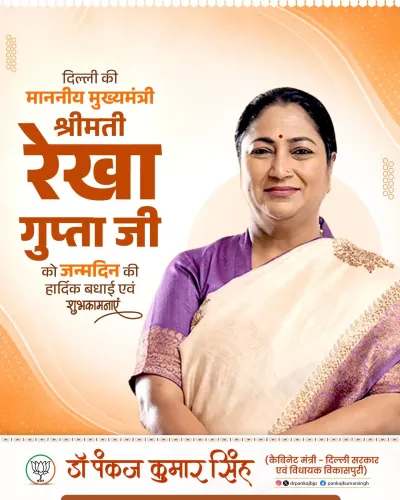
Responding to wishes extended by her BJP colleague @bjpravinder16 on the social media platform X, CM Gupta wrote — translated from Hindi — 'I express my heartfelt gratitude for your warm wishes. Your efforts are giving a new direction to our resolve of Antyodaya and social harmony. Together, we are committed to building a Delhi where the benefits of development reach every citizen.'
Context
The post is a public reply to a government colleague, but its language carries significant ideological weight. The term Antyodaya — literally 'rise of the last' — is central to BJP's governance philosophy, drawn from the thought of Pandit Deendayal Upadhyaya, the party's foundational ideologue. CM Gupta invoked it not as a passing courtesy but as an explicit statement of administrative intent.
The accompanying emphasis on Samajik Samrasta, or social cohesion, signals the administration's dual approach: targeted economic welfare alongside a cultural-political integration of diverse communities in Delhi.
Policy Backdrop
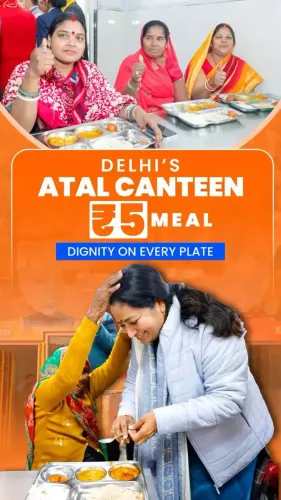
The Antyodaya Anna Yojana, launched nationally in 2000, was among the first formal policy expressions of this philosophy, directing food security resources specifically to the poorest households. After 2014, the BJP wove Antyodaya and Samrasta explicitly into state manifestos, budget frameworks, and governance communications across states it governs.
In Delhi, the BJP's 2025 assembly campaign placed equitable development — ensuring every citizen receives the fruits of governance — at the centre of its electoral promise. CM Gupta's message on 19 July 2026 signals that this framing continues to anchor the administration's public posture well into its term.
Stakeholders and Impact
Delhi's marginalised communities — including residents of unauthorised colonies, jhuggi clusters, and low-income urban settlements — are the primary intended beneficiaries of Antyodaya-linked welfare delivery. The administration's stated goal of ensuring development reaches 'each and every citizen' directly addresses these populations.
The message also speaks to the broader Delhi electorate and party workers, reinforcing internal cohesion within the ruling dispensation and publicly validating the role of legislators and ministers in driving the welfare agenda from the ground up.
What's Next
Observers will watch for concrete policy follow-through in the upcoming Delhi assembly session and budget cycle, particularly the rollout of any new Antyodaya-linked schemes targeting urban poverty, food security, or social welfare. Legislative measures aimed at strengthening welfare delivery infrastructure in the capital will be the clearest test of whether this ideological commitment translates into administrative action.
If the administration moves to align Delhi's welfare architecture more closely with the national Antyodaya framework, it would mark a significant policy departure from the previous government's approach of direct benefit transfers — and could reshape how urban welfare is delivered in one of India's most complex administrative territories.
Point of View
While framed as a collegial exchange, is a deliberate ideological signal — anchoring the Delhi government's identity in Antyodaya and social harmony at a time when the administration is still consolidating its policy agenda. This language mirrors the BJP's playbook in newly formed state governments, where foundational philosophy is invoked early to set the narrative before budgets and schemes are announced. The contrast with the previous administration's transactional welfare model is implicit but pointed. How quickly concrete Antyodaya-linked programmes materialise in Delhi will determine whether this remains rhetorical positioning or becomes a genuine administrative shift.
NationPress
18 Oct 2026
Frequently Asked Questions
What is Antyodaya and why does CM Rekha Gupta mention it?
Antyodaya means 'upliftment of the last person' and is a core BJP governance philosophy drawn from ideologue Pandit Deendayal Upadhyaya. CM Rekha Gupta invoked it to signal that her Delhi government prioritises welfare delivery to the poorest citizens.
Who is @bjpravinder16 that CM Rekha Gupta thanked?
@bjpravinder16 is a BJP colleague of CM Rekha Gupta in the Delhi government who extended wishes to her. The specific portfolio of this colleague could not be independently verified at the time of publication.
What is the Antyodaya Anna Yojana?
The Antyodaya Anna Yojana is a national food security scheme launched in 2000 to provide subsidised food grains specifically to the poorest households in India. It is one of the earliest formal policy expressions of the Antyodaya philosophy.
What does 'Samajik Samrasta' mean in the context of Delhi governance?
Samajik Samrasta means social harmony or social cohesion. In the BJP's governance framework it refers to integrating communities across caste and economic lines, and CM Gupta has paired it with Antyodaya as a dual pillar of her administration's approach.
What welfare schemes can Delhi residents expect from the Rekha Gupta government?
Observers are watching for new Antyodaya-linked welfare schemes in the upcoming Delhi budget and assembly session, focused on urban poverty, food security, and development delivery to marginalised communities including residents of unauthorised colonies and low-income settlements.