CM Rekha Gupta extends Bhai Dooj wishes to Delhi

Synopsis
Delhi Chief Minister Rekha Gupta marked Bhai Dooj on 11 November 2026 with a Hindi message celebrating the sibling bond in Indian culture and praying for joy and prosperity across every family.
Key Takeaways
Delhi CM Rekha Gupta extended greetings for Bhai Dooj on 11 November 2026 .
She described the brother-sister relationship as a 'beautiful expression of love, protection, and family values' in Indian culture.
Bhai Dooj is observed two days after Diwali , making it the final major event in the five-day Diwali festive period.
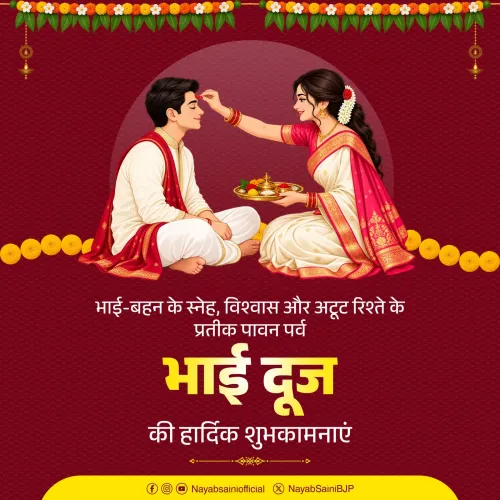
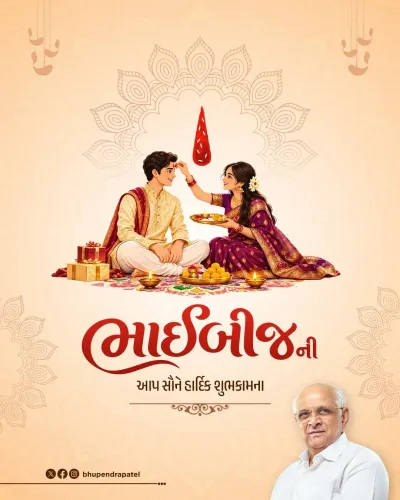
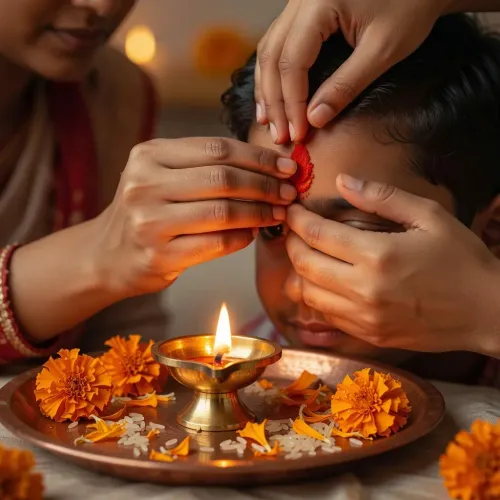
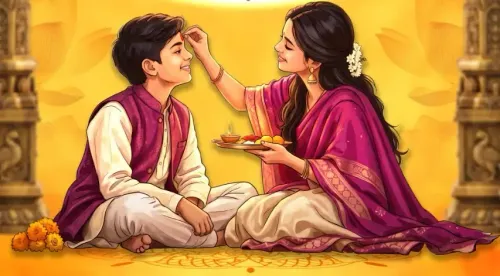
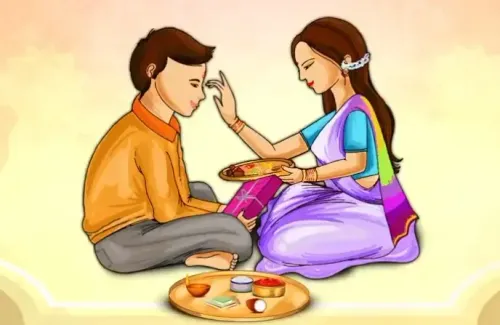
The festival centres on the tilak ritual — sisters pray for their brothers' long life and exchange gifts.
Issuing public festival greetings is a standard practice among Indian political leaders to affirm cultural traditions across the Hindu calendar.
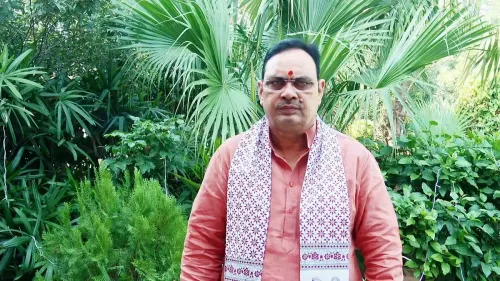
The ancient bond between siblings found fresh expression on Wednesday morning as Delhi Chief Minister Rekha Gupta extended heartfelt greetings for Bhai Dooj, the festival that closes the Diwali season with a celebration of brotherhood and sisterhood.
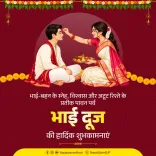
Posting on 11 November 2026, the Chief Minister wrote in Hindi: 'भाई-बहन के अटूट स्नेह, विश्वास और आत्मीयता के पावन पर्व भाई दूज की आप सभी को हार्दिक शुभकामनाएं' — 'Heartfelt greetings to all on the auspicious festival of Bhai Dooj, the sacred occasion of the unbreakable affection, trust, and warmth between brothers and sisters.'
She described the sibling relationship in Indian culture as 'a beautiful expression of love, protection, and family values,' and offered a prayer that the festival bring 'happiness, prosperity, and joy to every family' and that 'this priceless bond of sibling affection remain forever strong.'
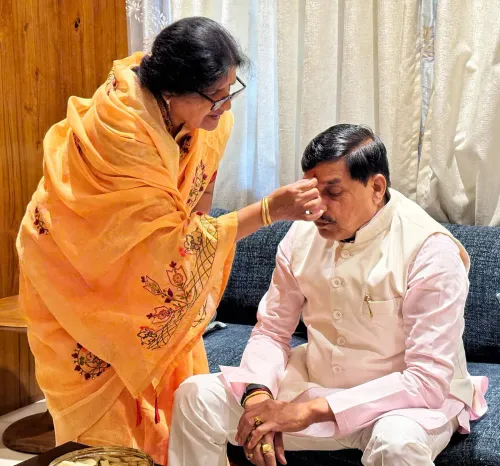
Bhai Dooj falls two days after Diwali and is one of Hinduism's most widely observed sibling-bond rituals. Sisters apply a ceremonial tilak on their brothers' foreheads, offer prayers for their long life, and exchange gifts — a practice that mirrors the spirit of Raksha Bandhan earlier in the year, together forming twin pillars of the Hindu calendar's celebration of sibling kinship.
Point of View
Low-friction connection with constituents. For a BJP chief minister in Delhi, affirming Hindu calendar events such as Bhai Dooj is consistent with the party's broader cultural-nationalist messaging. The gesture carries no policy weight but speaks to the rhythm of political communication in India, where the festive calendar doubles as a soft-power calendar. It reflects how digital platforms have made every festival an opportunity for visible, personal outreach at scale.
NationPress
11 Nov 2026
Frequently Asked Questions
When is Bhai Dooj 2026?
Bhai Dooj in 2026 falls on 11 November , two days after Diwali, as confirmed by Delhi CM Rekha Gupta's morning greeting on that date.
What is Bhai Dooj and how is it celebrated?
Bhai Dooj is a Hindu festival celebrating the bond between brothers and sisters. Sisters apply a ceremonial tilak on their brothers' foreheads, pray for their longevity, and exchange gifts.
Why do Indian politicians post festival greetings?
Indian political leaders routinely issue public greetings on major festivals to affirm cultural traditions, maintain public visibility, and connect with constituents on occasions of personal and community significance.
What is the difference between Bhai Dooj and Raksha Bandhan?
Both festivals celebrate sibling bonds but occur at different points in the Hindu calendar. Raksha Bandhan falls during the Shravan month (typically July-August), while Bhai Dooj closes the Diwali festive season in October or November.