CM Rekha Gupta Hosts Jagmag Diwali at Connaught Place
Synopsis
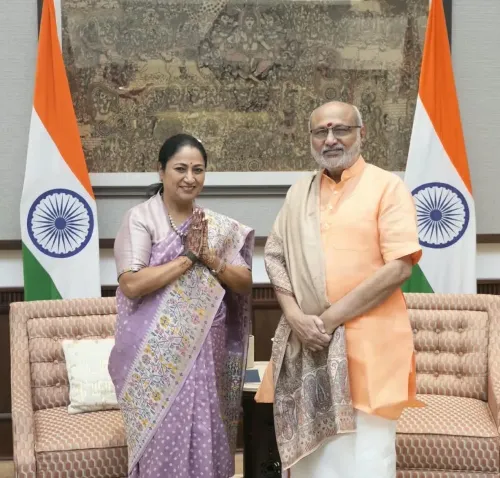
Delhi Chief Minister Rekha Gupta led the 'Jagmag Diwali' festival at Central Park, Connaught Place on 7 November 2026, with a maha-aarti, Ram bhajans, and a drone show, framing the event as a celebration of Delhi's unbroken cultural heritage from Indraprastha to the present.
Key Takeaways
Jagmag Diwali was held at Central Park, Connaught Place on 7 November 2026 , organised by the Delhi government under CM Rekha Gupta .
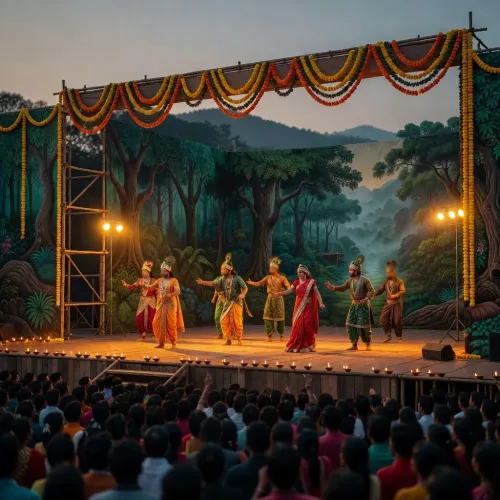
The event featured a maha-aarti , Ram bhajans , and a drone show described as a spectacle of 'Sanatan pride'.
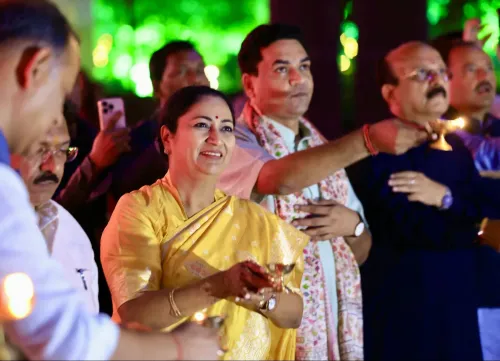
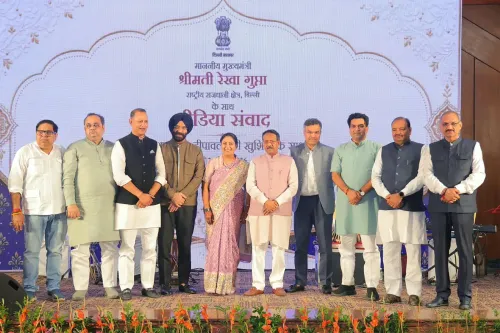
Cabinet minister Kapil Mishra and other dignitaries were present at the celebration.
CM Gupta invoked Delhi's ancient identity as Indraprastha , connecting the Diwali event to millennia of cultural continuity.
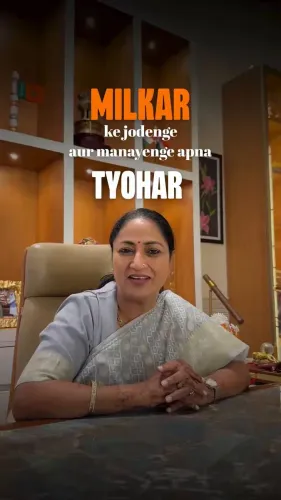
The CM stated the government's dual vision: 'Delhi's development and respect for Delhi's heritage.' The event was promoted under the hashtags #DilliKiDiwali and #Diwali2026 , signalling an intent to make it an annual government-branded cultural landmark.
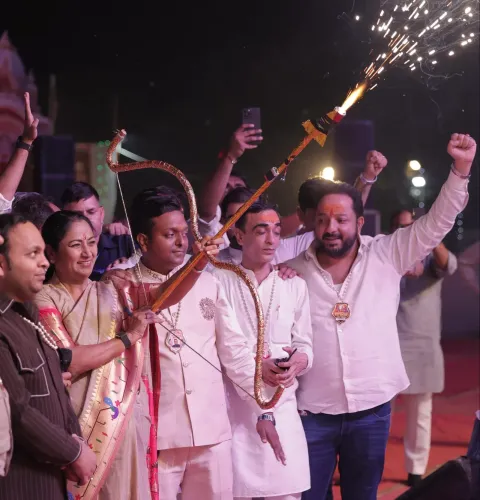
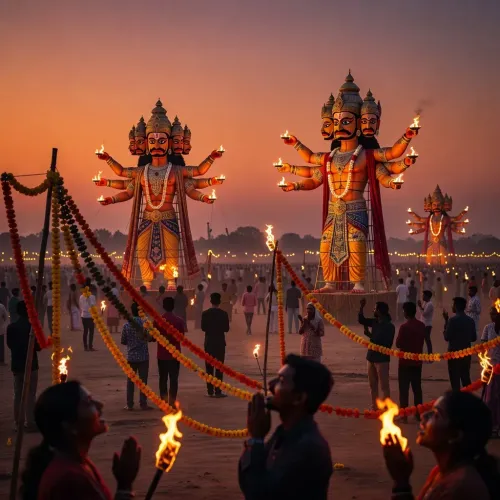
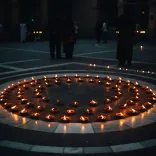
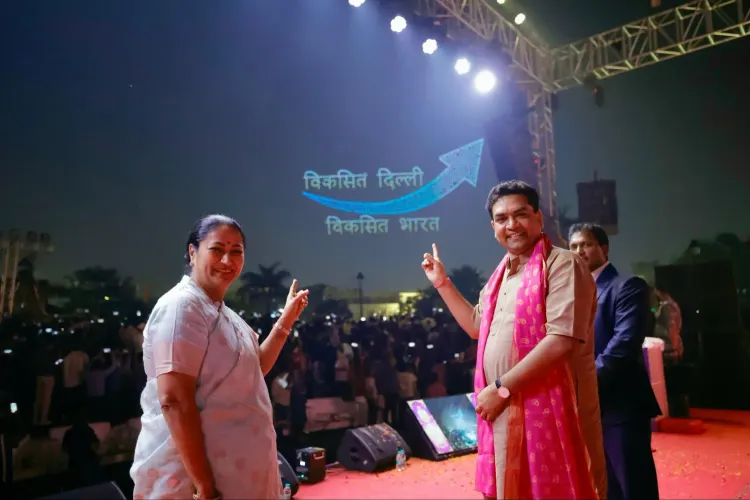
From the mythic city of Indraprastha to the blazing skyline of modern Delhi, history folded into a single evening on Saturday, 7 November 2026 — as Delhi Chief Minister Rekha Gupta presided over 'Jagmag Diwali', a grand cultural celebration at Central Park, Connaught Place that filled the capital's most iconic public square with the glow of Diwali.
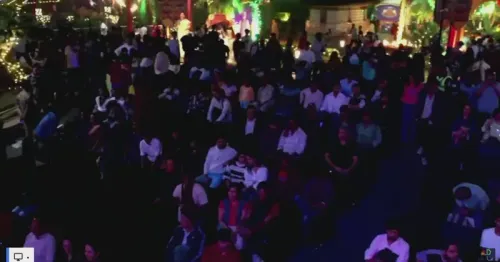
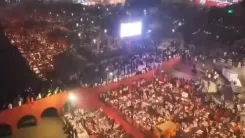
Thousands gathered for a maha-aarti, with hands raised in unison, while young Delhiites danced to Ram bhajans and a drone show lit up the night sky in what CM Gupta described as 'sanatan gaurav ki chhata' — a spectacle of ancient pride. Children, youth, and elders filled the park together, the full breadth of the city drawn to one place, one occasion.
Indraprastha to Diwali 2026: Delhi's Layered Identity on Display
In her post, CM Gupta framed the evening within Delhi's sweep of civilisations — from its Mahabharata-era identity as Indraprastha through every era of transformation — arguing that the 'flame of culture' had passed unbroken from generation to generation. The Jagmag Diwali event, she said, was the living expression of that continuity. Cabinet colleague Kapil Mishra, BJP leader and minister, was among the dignitaries present.
The choice of Central Park, Connaught Place — the geographical and commercial heart of the capital — was deliberate. Connaught Place is not merely a transit hub; it is a layered symbol of Delhi's colonial, post-independence, and contemporary identity. Hosting a celebration rooted in pre-colonial, Sanatan traditions at this site carries unmistakable cultural and political weight.
The Message Behind the Maha-Aarti
CM Gupta articulated a dual vision for the capital: 'Dilli ka vikas bhi, Dilli ki virasat ka samman bhi' — 'Delhi's development, and also respect for Delhi's heritage.' She called for the new generation to advance in a modern world while deepening its roots, naming that balance as the government's core 'sankalp' — resolve. Her closing prayer to Lord Ram was that the light of Deepotsav bring happiness, peace, and auspiciousness to every home in the city.
Large-scale Diwali programming at Delhi's public parks is not new — previous administrations have organised similar events combining traditional ritual with contemporary production. What the current BJP-led administration has emphasised is an explicit ideological thread linking urban spectacle to cultural continuity, particularly through the Indraprastha narrative that positions Delhi as a city whose Hindu heritage predates its many layers of recorded history.
The #DilliKiDiwali and #Diwali2026 hashtags the CM used signal a government branding push around the festival — positioning this not as a one-off event but as an annual cultural landmark for the capital under BJP governance.
When thousands gather at the heart of a city not for a protest or a rally but for a collective act of faith and light, the message travels far beyond the park. Delhi's Diwali has just been given a stage — and the government intends to hold it every year.
Point of View
The administration is signalling that heritage is not peripheral to urban governance but central to it. The dual slogan — development and heritage — is a classic BJP formulation that has worked electorally in multiple states, now being deployed firmly in Delhi. With the hashtag branding suggesting annual repetition, this event is as much about electoral memory-building as it is about Diwali.
NationPress
7 Nov 2026
Frequently Asked Questions
What is 'Jagmag Diwali' in Delhi?
'Jagmag Diwali' is a large public Diwali celebration organised by the Delhi government, held at Central Park, Connaught Place on 7 November 2026, featuring a maha-aarti, Ram bhajans, and a drone show.
Where was the Delhi Diwali 2026 event held?
The 2026 Diwali event was held at Central Park, Connaught Place, in the heart of New Delhi.
Who organised the Jagmag Diwali event in Delhi?
The event was organised under Delhi Chief Minister Rekha Gupta, with cabinet minister Kapil Mishra and other dignitaries in attendance.
What is Dilli Ki Diwali?
#DilliKiDiwali is the official hashtag used by the Delhi government to brand its annual large-scale Diwali public celebrations, combining traditional rituals with modern elements like drone shows.
What is the Indraprastha reference CM Rekha Gupta made?
CM Rekha Gupta referred to 'Indraprastha', the ancient city of Mahabharata lore believed to be the precursor of modern Delhi, to frame the Diwali celebration as part of the capital's millennia-long cultural continuum.