CM Rekha Gupta Leads Diwali Havan at BJP Delhi Office
Synopsis
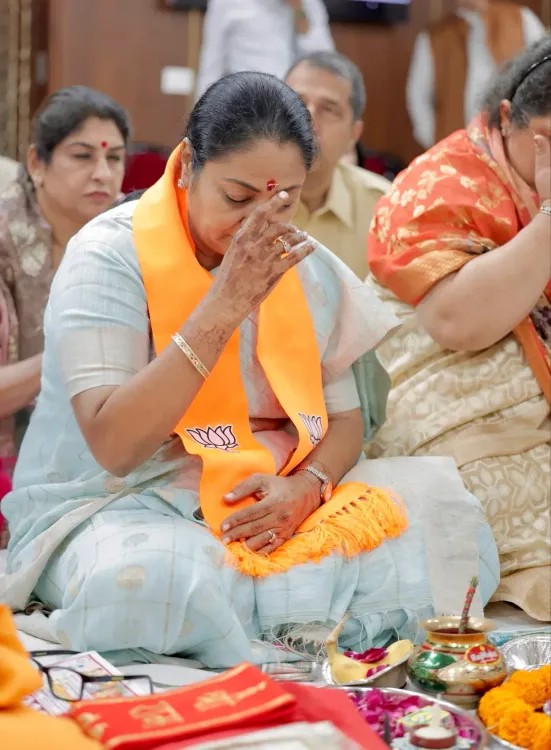
Delhi Chief Minister Rekha Gupta performed a Diwali havan-puja at the BJP Delhi state office on 7 November 2026, praying for social welfare and national prosperity, and extended warm Diwali greetings to all Delhi residents invoking the blessings of Lord Shri Ram.
Key Takeaways
Delhi CM Rekha Gupta participated in a havan-puja at the BJP Delhi state office on 7 November 2026 for Diwali.
The ceremony was conducted with full scriptural observance and prayers were offered for the welfare of all society and the nation.
Gupta extended Diwali greetings to all Delhi residents, invoking Lord Shri Ram's blessings for happiness, peace, goodwill, and unity.
Her message called for strengthening resolve towards Sanatan culture , Dharma, and collective well-being.
The event follows BJP's consistent practice of holding religious ceremonies at party offices during major Hindu festivals.
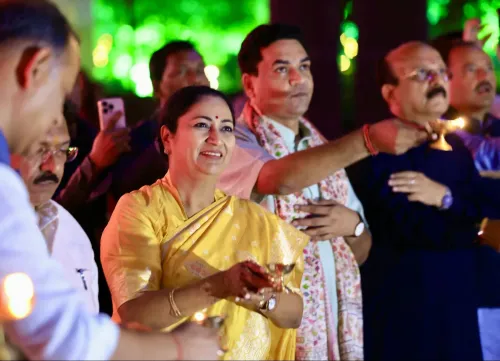
Lamps lit, prayers offered, and blessings sought for every household in the capital — Delhi Chief Minister Rekha Gupta marked Diwali 2026 by participating in a sacred havan-puja at the BJP Delhi state office on Saturday, 7 November 2026, praying for the welfare of all of society and the prosperity of the nation.
Sharing the occasion on X, CM Gupta extended warm Diwali greetings to all Delhi residents, writing: 'दिल्ली के मेरे सभी परिवारजनों को दीपावली की हार्दिक शुभकामनाएं' — 'Heartfelt Diwali wishes to all my family members in Delhi.' She invoked Lord Shri Ram, expressing hope that the festival of lights spread happiness, peace, goodwill, and a spirit of unity into every home and every heart.
A Havan Rooted in Sanatan Tradition
The ceremony was conducted with full religious observance — vidhi-vidhan se puja-archana, as Gupta described it — meaning the rituals were performed in strict accordance with scriptural tradition. Her post also framed the occasion as a moment to 'strengthen resolve towards Sanatan culture, Dharma, and the well-being of all people,' language that reflects BJP's consistent positioning of major Hindu festivals as affirmations of civilisational identity.
BJP's Pattern of Festival Observance at Party Offices
BJP leaders across states routinely organise havans, pujas, and community gatherings at party offices during Diwali, Navratri, and other major Hindu festivals. These events function simultaneously as acts of religious observance and as visible public statements about the party's cultural priorities — drawing party workers, local leaders, and community members together under one roof. For CM Gupta, leading the ceremony in her capacity as Delhi's chief executive adds an institutional weight to what is also a personal act of faith.
Diwali, the festival of lights celebrated annually across India, is linked in tradition to Lord Rama's return to Ayodhya after fourteen years of exile — a narrative the BJP has long held central to its cultural messaging. The 2026 edition of the festival arrives against the backdrop of an active political calendar in Delhi, lending even a ceremonial moment an unmistakable public dimension. For the people of a city that has seen years of competitive political contestation, the image of its Chief Minister performing a havan and praying for collective harmony carries a message that travels well beyond party walls.
Point of View
She reinforces the party's civilisational narrative at the very moment when the festival's symbolism is at its peak. For a Chief Minister governing an intensely contested city, occupying the ceremonial and spiritual space of Diwali is also a soft-power move — projecting stability, rootedness, and benevolence to an electorate that spans every neighbourhood of Delhi. The pattern will almost certainly repeat across the festival calendar, with each occasion adding another layer to the BJP's cultural imprint on the capital's political identity.
NationPress
7 Nov 2026
Frequently Asked Questions
Where did Delhi CM Rekha Gupta celebrate Diwali 2026?
CM Rekha Gupta celebrated Diwali 2026 by participating in a havan-puja at the BJP Delhi state party office on 7 November 2026.
What did Rekha Gupta pray for at the Diwali havan?
She prayed for the welfare of all society and the prosperity of the nation, also invoking Lord Shri Ram's blessings for happiness, peace, goodwill, and unity in every home.
What is a Diwali havan?
A havan is a Hindu sacred fire ritual performed with scriptural chants and offerings; during Diwali it is conducted to seek divine blessings for well-being and prosperity.
Does BJP regularly hold religious ceremonies at its offices?
Yes, BJP leaders across states routinely organise havans, pujas, and community gatherings at party offices during major Hindu festivals including Diwali and Navratri.
What did Rekha Gupta say about Sanatan culture in her Diwali message?
She expressed hope that the festival would strengthen the resolve of all people towards Sanatan culture, Dharma, and the well-being of society as a whole.