CM Rekha Gupta Hosts Hariyali Teej Milan at Janseva Sadan
Synopsis
Delhi Chief Minister Rekha Gupta hosted a Hariyali Teej Milan Samaroh at Mukhyamantri Janseva Sadan on 12 August 2026, thanking guests and celebrating the monsoon festival's cultural significance of family bonds, tradition, and devotion to Shiva and Parvati.
Key Takeaways
Delhi CM Rekha Gupta hosted a Teej Milan Samaroh at Mukhyamantri Janseva Sadan on 12 August 2026 .
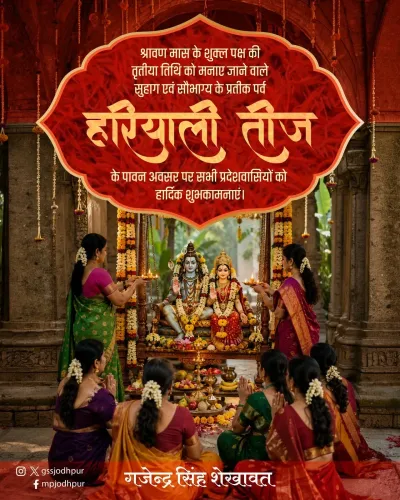
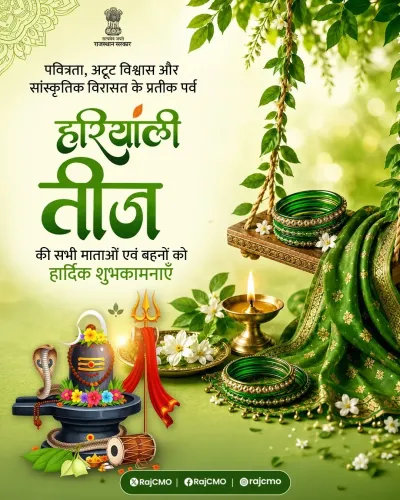
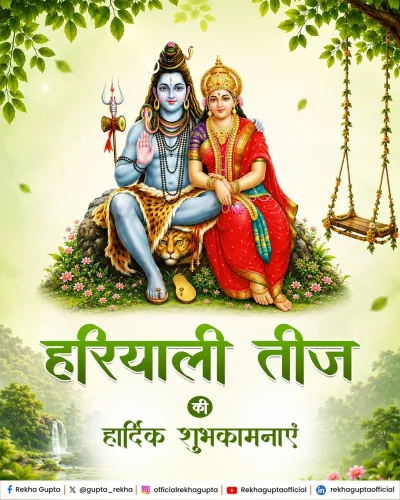
Hariyali Teej is a North Indian monsoon festival celebrating marital harmony, family bonds, and devotion to Lord Shiva and Goddess Parvati .
CM Gupta thanked all guests for their presence and extended Hariyali Teej wishes to the public.
The event reflects the Delhi government's use of the Janseva Sadan venue for community and cultural gatherings.
Delhi administrations have held similar Teej events in prior years, connecting elected leaders with citizens through shared heritage.
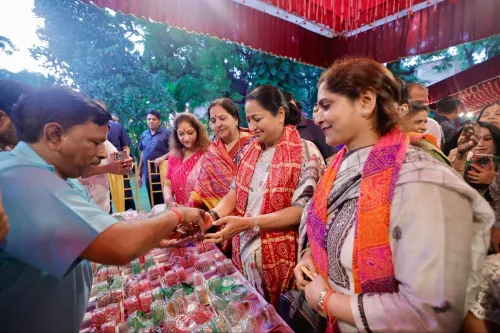
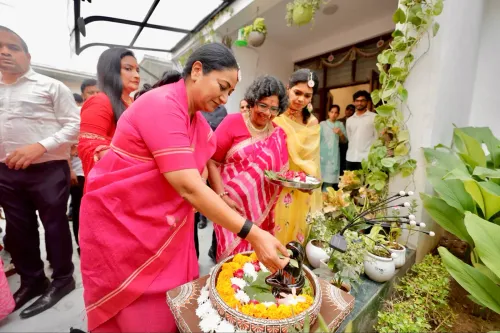
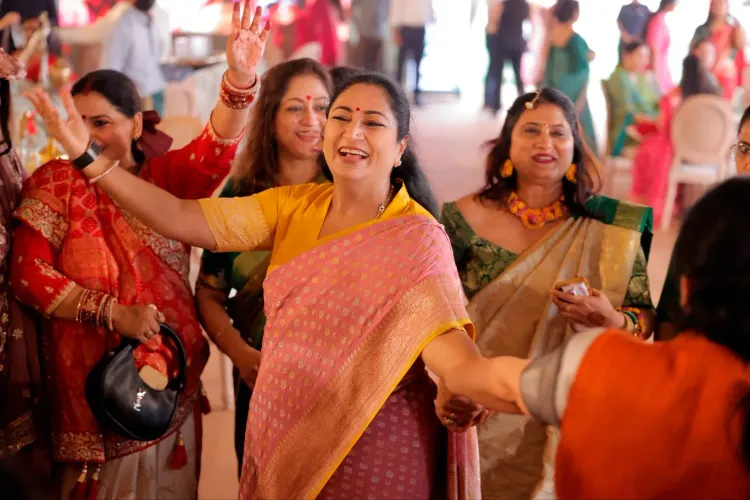
Monsoon season brought more than rain to Delhi on Wednesday, 12 August 2026 — it brought a gathering of tradition, colour, and community. Delhi Chief Minister Rekha Gupta hosted a Teej Milan Samaroh at the Mukhyamantri Janseva Sadan, welcoming guests to mark Hariyali Teej and thanking them for making the celebration memorable.
Expressing gratitude to all who attended, CM Gupta said the warmth of their presence made the festival even more special — 'aapki aatmiya upasthiti ne is utsav ki khushiyon ko aur bhi khas bana diya' ('your heartfelt presence made the joy of this celebration all the more special'). She extended wishes for Hariyali Teej and invoked the blessings of Lord Shiva and Goddess Parvati for all.
What Hariyali Teej means — and why it draws a crowd
Hariyali Teej is a North Indian festival observed primarily by women, timed to the arrival of the monsoon. It celebrates marital harmony, family bonds, and the renewal that the green season brings — connecting devotees to the mythology of Shiva and Parvati's union. Songs, swings, mehndi, and green attire are its hallmarks, and the festival carries a cultural continuity that stretches across generations.
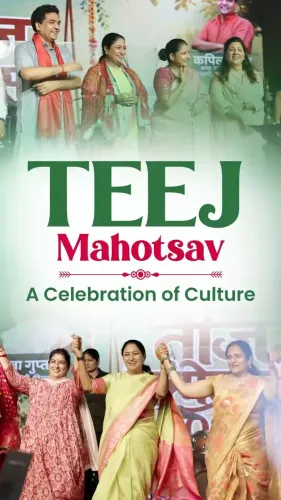
CM Gupta framed the occasion in exactly those terms, calling Teej 'a beautiful celebration of our rich culture, family love, and connection with nature' whose colours and traditions 'link generations and carry our cultural heritage forward.'
Janseva Sadan as a stage for Delhi's cultural calendar
The choice of Mukhyamantri Janseva Sadan — the Delhi government's official public-functions venue — signals how the current administration is using state infrastructure to host community and heritage events. State governments across India have long organised regional festivals to encourage cultural participation; Delhi administrations have held similar Teej gatherings in prior years. For CM Gupta, who assumed office in 2025, the event is part of a broader pattern of connecting with Delhi's predominantly North Indian population through shared tradition rather than policy announcements alone.
As monsoon festivals continue through August, the Janseva Sadan is likely to remain a hub for state-organised cultural programmes in the months ahead.
Point of View
Particularly women voters. For a chief minister who took office in 2025, anchoring herself to living traditions like Hariyali Teej at an official government venue is a soft-power move — building familiarity and warmth outside the harder terrain of policy. It also signals that Delhi's cultural calendar under the current administration will be an active one, with heritage events serving as a regular touchpoint with the city's large North Indian diaspora.
NationPress
27 Sept 2026
Frequently Asked Questions
What is Hariyali Teej and when is it celebrated?
Hariyali Teej is a North Indian Hindu festival observed by women to mark the arrival of the monsoon season. It celebrates marital harmony and devotion to Lord Shiva and Goddess Parvati, and is typically marked with green attire, mehndi, swings, and songs in July or August.
What did Delhi CM Rekha Gupta do for Hariyali Teej 2026?
Delhi Chief Minister Rekha Gupta hosted a Teej Milan Samaroh at the Mukhyamantri Janseva Sadan on 12 August 2026, welcoming guests, thanking attendees for their presence, and extending Hariyali Teej wishes to all.
Where is Mukhyamantri Janseva Sadan located?
Mukhyamantri Janseva Sadan is a Delhi government venue used for official public and cultural functions by the Chief Minister's office.
Why do state governments organise Teej events?
State governments across India organise regional festival events like Teej to promote cultural heritage, encourage community participation, and connect elected leaders with citizens through shared traditions rather than formal policy settings.