CM Rekha Gupta meets DU women reps, promises direct WhatsApp line
Synopsis
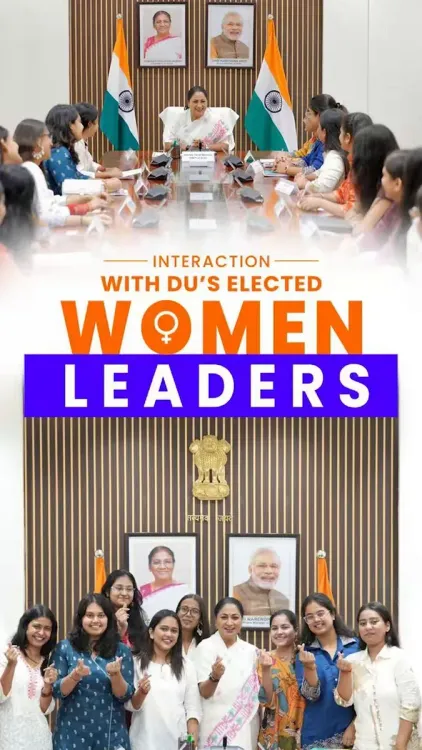
Delhi Chief Minister Rekha Gupta met elected women student representatives from Delhi University colleges on October 12, 2026, pledging a dedicated WhatsApp group for direct, ongoing communication on campus safety and student concerns under the #ViksitDelhi agenda.
Key Takeaways
Delhi CM Rekha Gupta held a direct interaction with elected women student representatives from Delhi University colleges on October 12, 2026 .
She committed to creating a dedicated WhatsApp group where she will personally remain active to hear student concerns.
The initiative is focused on campus security and practical challenges faced by women students across DU colleges.
Student representatives hold an elected mandate from their peers, not an appointed status — signalling a deliberate choice by the CM's office.
No specific budget allocation or policy measure was announced; the WhatsApp channel is positioned as the mechanism to shape future action.
The outreach is framed under the #ViksitDelhi ('Developed Delhi') governance narrative of the BJP-led Delhi government.
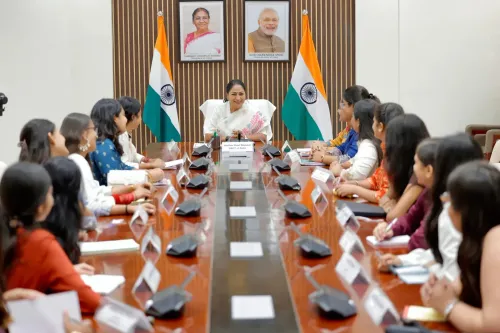
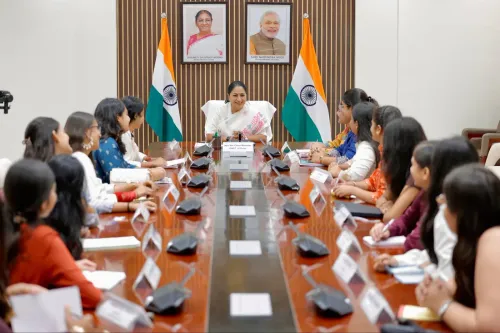
Women student leaders from Delhi University colleges walked into a conversation with the Chief Minister on Monday, October 12, 2026 — and walked out with something more tangible than a photo-op: a direct, personal line to the top. Delhi Chief Minister Rekha Gupta met elected women student representatives from across Delhi University campuses to hear their concerns on safety and campus life, and committed to creating a dedicated WhatsApp group where she will personally remain active.
A WhatsApp group as a governance tool
The headline commitment from the meeting is unconventional: a WhatsApp group linking student representatives directly to the Chief Minister's office. Gupta assured the students that she will not merely set it up and step back — she pledged to personally monitor it, respond to concerns, and ensure follow-up on issues raised. The channel is designed to short-circuit the usual bureaucratic distance between a student's grievance and state-level action.
The move reflects a broader pattern of direct-access governance that has gained traction across Indian states — using consumer-grade communication platforms to create accountability loops that formal complaint systems often fail to deliver. Whether a WhatsApp group at the Chief Ministerial level can sustain that promise at scale is the real test ahead.
Campus safety at the centre of the agenda
The meeting was explicitly framed around campus security and the practical challenges faced by women students. Gupta did not announce a specific policy or budget allocation, but characterised the interaction as the beginning of an ongoing process — not a one-time consultation. She stated that the students' voices 'will guide our actions,' signalling that the policy response is expected to follow the direct feedback channel rather than precede it.
Delhi University, one of India's largest central universities with dozens of colleges spread across the capital, has long been a flashpoint for debates about women's safety — from late-night transport to hostel curfews to harassment on campus. By engaging elected student representatives rather than appointed bodies, the Chief Minister's office is drawing on voices with a democratic mandate from their own peers.
What the students said — and what comes next
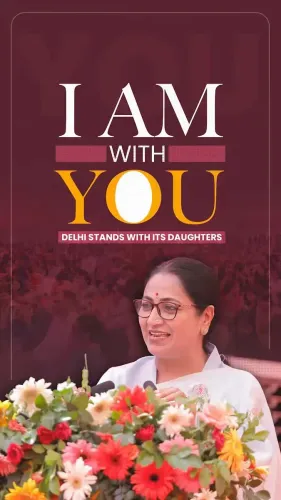
The specific concerns raised by the student representatives were not disclosed publicly, but the Chief Minister's framing — 'safer, better campuses' — points to a cluster of familiar issues: lighting, security personnel, transport, and institutional responsiveness to complaints. The #ViksitDelhi ('Developed Delhi') hashtag attached to the post ties the initiative to the BJP government's broader urban development narrative for the capital.
The next visible milestone will be the WhatsApp group's creation and its first visible output — a resolved complaint, a policy nudge, or a public update. That is when the promise graduates from announcement to accountability.
Point of View
Personal accountability loop — one that is easy to announce and equally easy to verify (or expose) as time passes. Politically, engaging elected student representatives rather than appointed bodies lends the initiative democratic legitimacy and a ready-made youth constituency. The move also reflects how Indian state governments are increasingly using platform-native tools to signal accessibility, though the durability of such commitments beyond the initial announcement is where most similar initiatives have historically faltered. The real policy signal will come when the first concrete campus-safety measure emerges from this channel.
NationPress
12 Oct 2026
Frequently Asked Questions
What did Delhi CM Rekha Gupta announce for Delhi University women students?
CM Rekha Gupta announced the creation of a dedicated WhatsApp group where she will personally remain active to hear concerns from elected women student representatives of Delhi University colleges and ensure timely follow-up on issues raised.
Why did Rekha Gupta meet Delhi University students?
She met elected women student representatives to hear their concerns and suggestions regarding campus safety and other challenges faced by women students across Delhi University colleges.
Which university students met Delhi CM Rekha Gupta?
Elected women student representatives from various colleges of Delhi University met Chief Minister Rekha Gupta on October 12, 2026.
What is #ViksitDelhi?
'Viksit Delhi' translates to 'Developed Delhi' and is the BJP-led Delhi government's overarching governance and development narrative under which several public outreach and infrastructure initiatives are being branded.
Is the Delhi CM WhatsApp group for students already active?
As of October 12, 2026, CM Rekha Gupta announced the creation of the group; it had not yet been publicly launched. She stated she would personally remain active in it once formed.