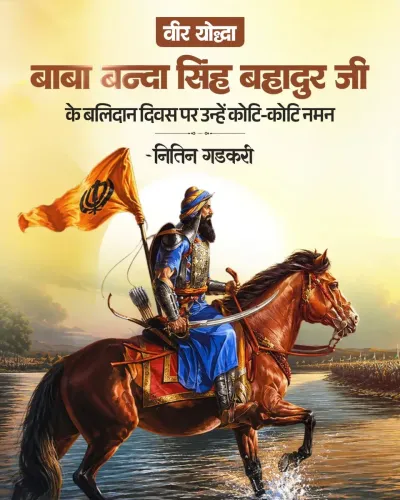
CM Rekha Gupta Pays Tribute to Baba Banda Singh Bahadur on Martyrdom Day
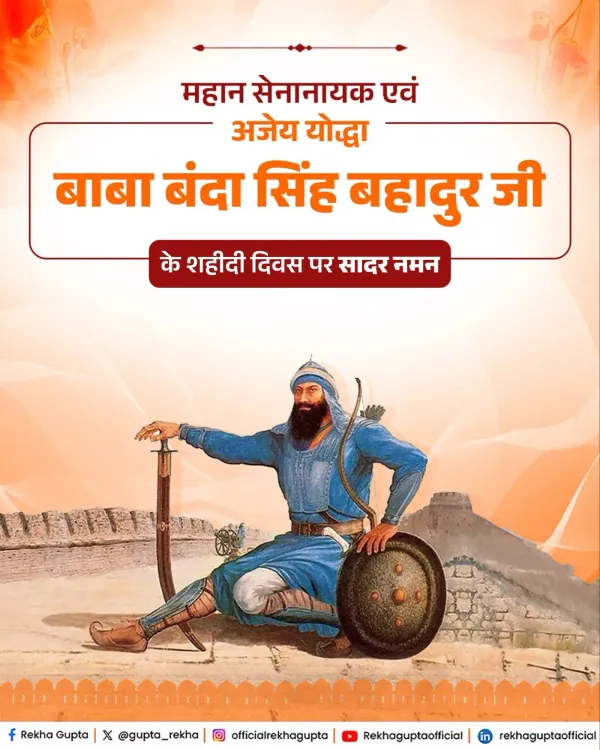
Synopsis
Delhi Chief Minister Rekha Gupta on 25 June 2026 paid tribute to Sikh warrior-martyr Baba Banda Singh Bahadur on his Shaheedi Diwas, honouring his sacrifice against Mughal rule and calling his ideals a lasting inspiration for justice and national pride.
Key Takeaways
Delhi CM Rekha Gupta posted a tribute to Baba Banda Singh Bahadur on his Shaheedi Diwas on 25 June 2026 .
Baba Banda Singh Bahadur was a Sikh military commander appointed by Guru Gobind Singh who fought against the Mughal Empire and was executed in Delhi in 1716 .
CM Gupta described him as a 'great warrior' who dedicated his life to fighting injustice and protecting the nation's pride and self-respect.
The tribute is part of a broader pattern of BJP leaders publicly honouring Sikh historical figures, particularly in states like Delhi with significant Sikh populations.
The Delhi government may follow the tribute with state-level commemorative events around Sikh historical anniversaries.
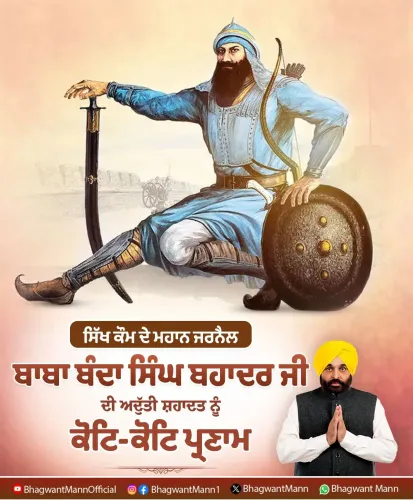
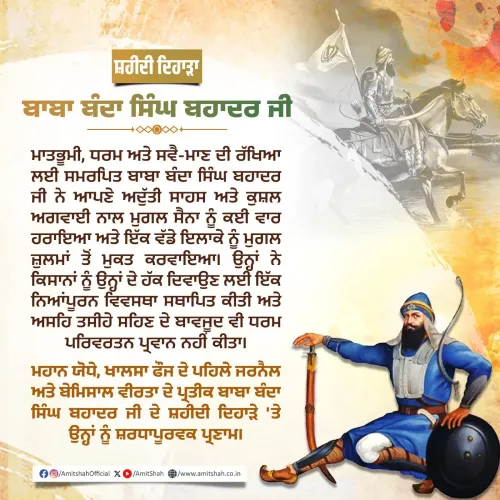
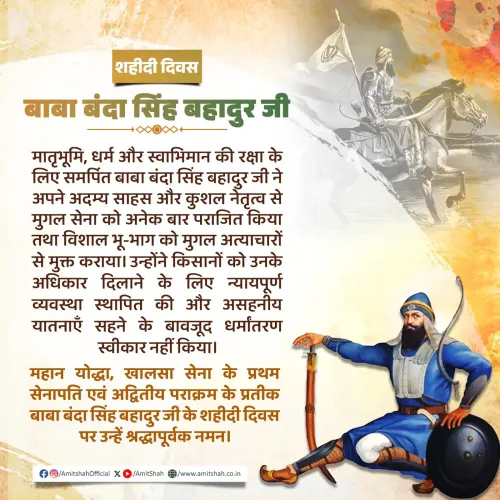
Delhi Chief Minister Rekha Gupta on Thursday, 25 June 2026 paid homage to Baba Banda Singh Bahadur, the revered Sikh warrior-martyr, on his Shaheedi Diwas (martyrdom anniversary), calling his sacrifice an enduring source of inspiration for the nation.
In a post on X, CM Gupta wrote — translated from Hindi — that Baba Banda Singh Bahadur was a 'great warrior who dedicated his life to fearless struggle against injustice and to the welfare of the people.' She added that 'his sacrifice for the protection of the nation's pride and self-respect is a source of inspiration for all of us,' and that 'his ideals and unwavering resolve will always inspire us to move forward on the path of justice and dharma.'
Context
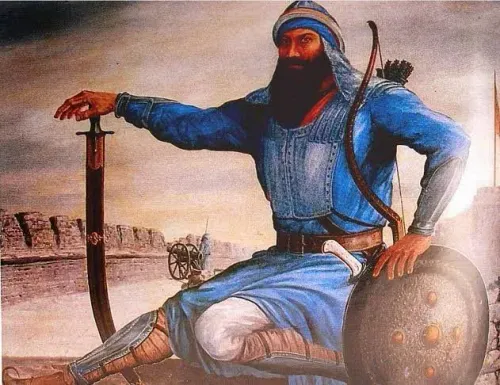
Baba Banda Singh Bahadur was a Sikh military commander personally appointed by Guru Gobind Singh, the tenth Sikh Guru. He led a series of campaigns against the Mughal Empire in the early eighteenth century, briefly establishing Sikh administrative authority over parts of Punjab. He was captured by Mughal forces and executed in Delhi in 1716, making him one of the most celebrated martyrs in Sikh history. His Shaheedi Diwas [martyrdom day] is observed annually by the Sikh community across India and the diaspora.
Policy Backdrop
BJP-led governments and leaders have made it a consistent practice to publicly honour Sikh historical figures — particularly those associated with resistance to Mughal rule — as part of broader cultural outreach, especially in states with significant Sikh populations such as Delhi. These observances emphasise themes of justice, valour, and national self-respect that resonate with the party's wider historical narrative. CM Gupta, as the head of the Delhi government, leads a city that has a substantial Sikh population and is also the site of Baba Banda Singh Bahadur's execution and martyrdom more than three centuries ago.
Stakeholders and Impact
The tribute is directed primarily at the Sikh community, which holds Baba Banda Singh Bahadur in deep reverence as a symbol of resistance and sacrifice. For Delhi's Sikh residents, official recognition of the Shaheedi Diwas by the sitting Chief Minister carries symbolic weight. Such statements from senior elected officials reinforce the community's historical contributions to the national consciousness and signal the government's intent to remain culturally engaged with Sikh heritage.
What's Next
The Delhi government may follow this public tribute with state-level commemorative events or community programmes tied to Sikh historical anniversaries in the coming months. CM Gupta's acknowledgement of Baba Banda Singh Bahadur's legacy on this occasion sets a tone for continued engagement with Sikh history and culture as a pillar of the administration's public outreach. How the government translates such symbolic gestures into concrete community initiatives will be watched closely by stakeholders.
Point of View
Such gestures from the sitting Chief Minister carry both symbolic and electoral weight. The emphasis on themes of justice, self-respect, and resistance to oppression mirrors the party's broader historical framing, connecting a seventeenth-century martyr to contemporary political identity. Whether the tribute translates into tangible policy or community programmes will determine how it is received beyond the immediate news cycle.
NationPress
23 Sept 2026
Frequently Asked Questions
Who was Baba Banda Singh Bahadur?
Baba Banda Singh Bahadur was a Sikh military commander appointed by Guru Gobind Singh who led campaigns against the Mughal Empire in early eighteenth-century Punjab. He briefly established Sikh administrative authority in parts of Punjab before being captured and executed in Delhi in 1716.
What is Shaheedi Diwas?
Shaheedi Diwas means 'martyrdom day' in Punjabi and Hindi. It is observed annually to honour the sacrifice of a martyr; in the context of Baba Banda Singh Bahadur, it marks the anniversary of his execution by the Mughal Empire.
Why did Delhi CM Rekha Gupta pay tribute to Baba Banda Singh Bahadur?
CM Rekha Gupta paid tribute on his Shaheedi Diwas to honour his sacrifice against injustice and Mughal rule, calling his ideals an inspiration for justice and national pride. The tribute also reflects the BJP's consistent cultural outreach to the Sikh community.
What did Rekha Gupta say about Baba Banda Singh Bahadur?
She described him as a great warrior who dedicated his life to fighting injustice and public welfare, and said his sacrifice for the protection of the nation's pride and self-respect is a source of inspiration for all.
Is Baba Banda Singh Bahadur connected to Delhi?
Yes. Baba Banda Singh Bahadur was captured by Mughal forces and executed in Delhi in 1716, making the city historically significant to his legacy and martyrdom.