CM Bhagwant Mann Pays Tribute to Baba Banda Singh Bahadur

Synopsis
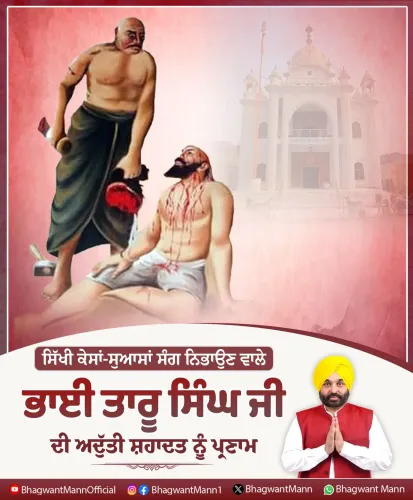
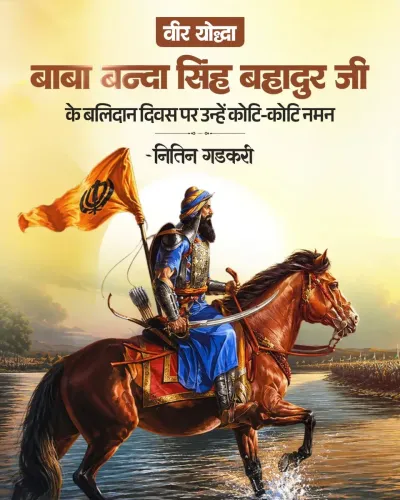
Punjab Chief Minister Bhagwant Mann on 25 June 2026 paid tribute to Baba Banda Singh Bahadur, the revered 18th-century Sikh military commander, honouring his martyrdom with a Punjabi post on X. Mann called the sacrifice 'unparalleled and incomparable,' reflecting the deep reverence the Sikh community holds for the Khalsa general.
Key Takeaways
Punjab Chief Minister Bhagwant Mann posted a tribute to Baba Banda Singh Bahadur on 25 June 2026 .
Baba Banda Singh Bahadur ( 1670–1716 ) was a Sikh military commander who led Khalsa forces against Mughal rule in early 18th-century Punjab .
He captured Sirhind in 1710 , briefly establishing Sikh administrative authority over parts of Punjab .
He was executed in Delhi in 1716 by Mughal rulers, making him one of the most venerated martyrs in Sikh history.
Mann described the martyrdom as 'unparalleled and incomparable,' offering 'countless salutations' on behalf of the Sikh nation.
Public tributes to Sikh martyrs are a consistent practice among Punjab political leaders, connecting governance to the state's Sikh heritage.
Punjab Chief Minister Bhagwant Mann on Thursday, 25 June 2026, paid tribute to Baba Banda Singh Bahadur, the celebrated 18th-century Sikh military commander, honouring his martyrdom with a post on X addressed to the Sikh community.
In his post, Mann wrote in Punjabi: 'ਸਿੱਖ ਕੌਮ ਦੇ ਮਹਾਨ ਜਰਨੈਲ ਬਾਬਾ ਬੰਦਾ ਸਿੰਘ ਬਹਾਦਰ ਜੀ ਦੀ ਅਦੁੱਤੀ ਅਤੇ ਲਾਸਾਨੀ ਸ਼ਹਾਦਤ ਨੂੰ ਕੋਟਿ-ਕੋਟਿ ਪ੍ਰਣਾਮ' — translated: 'Countless salutations to the unparalleled and incomparable martyrdom of the great general of the Sikh nation, Baba Banda Singh Bahadur Ji.'
Context
Baba Banda Singh Bahadur (1670–1716) was a towering military commander who led Khalsa forces against Mughal authority in early 18th-century Punjab. He is widely revered within the Sikh Kaum — the global Sikh community — as a symbol of resistance, sacrifice, and spiritual courage. His capture and execution in Delhi in 1716 at the hands of Mughal rulers cemented his place as one of the most venerated martyrs in Sikh history.
Among his most significant military achievements was the capture of Sirhind in 1710, where he briefly established Sikh administrative authority over parts of Punjab — a milestone that remains a defining moment in the community's historical memory.
Policy Backdrop
Public tributes to Sikh martyrs are a well-established practice among Punjab's political leadership across party lines. Such commemorations serve to affirm regional cultural identity and connect contemporary governance to the state's deep historical roots in Sikh resistance and sacrifice.
Chief Minister Mann, representing the Aam Aadmi Party, has consistently used public platforms to acknowledge Sikh historical figures and martyrdom anniversaries. These statements form part of a broader pattern of identity-based messaging that resonates strongly with Punjab's electorate and diaspora communities worldwide.
Stakeholders and Impact
The tribute is directed at the Sikh Kaum globally — a community that holds Baba Banda Singh Bahadur's martyrdom in profound reverence. For Sikhs in Punjab and across the diaspora, annual acknowledgements of this martyrdom carry deep emotional and spiritual significance.
Political messaging around Sikh martyrdom anniversaries also reinforces the state government's positioning as a custodian of Punjabi heritage, an important signal both to the domestic electorate and to the large Sikh diaspora concentrated in countries such as Canada, the United Kingdom, and the United States.
What's Next
Annual observances of Sikh martyrdom anniversaries in Punjab are typically accompanied by state-level commemorative events, gurudwara programmes, and community gatherings. Any state government-organised memorial events linked to Baba Banda Singh Bahadur's martyrdom anniversary would be consistent with this established pattern.
Observers will watch whether the Mann government follows this tribute with formal state-level commemorations, which would further signal the administration's commitment to preserving and promoting Punjab's Sikh historical legacy.
Point of View
Such commemorations serve a dual purpose — reinforcing emotional bonds with the domestic electorate while signalling solidarity with the global Sikh diaspora. The choice of Punjabi language in the post, rather than Hindi or English, is itself a deliberate act of cultural affirmation. As Punjab's political landscape remains competitive, the frequency and tone of such tributes will continue to be a quiet but telling indicator of the government's cultural positioning.
NationPress
23 Sept 2026
Frequently Asked Questions
Who was Baba Banda Singh Bahadur?
Baba Banda Singh Bahadur (1670–1716) was a celebrated Sikh military commander who led Khalsa forces against Mughal rule in early 18th-century Punjab. He captured Sirhind in 1710 and briefly established Sikh authority over parts of Punjab before being captured and executed in Delhi in 1716.
Why did Bhagwant Mann pay tribute to Baba Banda Singh Bahadur?
Punjab Chief Minister Bhagwant Mann paid tribute to mark the martyrdom anniversary of Baba Banda Singh Bahadur, describing his sacrifice as 'unparalleled and incomparable.' Such tributes are a consistent practice among Punjab's political leaders to honour Sikh historical figures.
When was Baba Banda Singh Bahadur martyred?
Baba Banda Singh Bahadur was executed in Delhi in 1716 by Mughal rulers after his capture. His martyrdom is widely commemorated by the global Sikh community as a defining moment in Sikh resistance history.
What did Bhagwant Mann say about Baba Banda Singh Bahadur?
Bhagwant Mann posted in Punjabi, offering 'countless salutations' to the 'unparalleled and incomparable martyrdom' of Baba Banda Singh Bahadur, referring to him as the 'great general of the Sikh nation.'
What is the significance of Baba Banda Singh Bahadur for the Sikh community?
Baba Banda Singh Bahadur is revered by the global Sikh community as a symbol of resistance, sacrifice, and spiritual courage. His capture of Sirhind in 1710 and subsequent martyrdom in 1716 are landmark events in Sikh historical memory.