CM Rekha Gupta unveils Delhi's 11-km Munak Canal Chhath Ghat

Synopsis
Delhi Chief Minister Rekha Gupta announces an unprecedented 11-km Chhath Ghat at Munak Canal, with BJP National President Nitin Nabin set to inaugurate the site at 1 PM on November 12, as the city activates 1,400 ghats for Chhath Puja 2026.
Key Takeaways
Delhi's longest-ever single Chhath Ghat — an 11-km stretch along Munak Canal — is ready for devotees ahead of Chhath Puja 2026 .
BJP National President Nitin Nabin will inaugurate the Munak Nahar Chhath Ghat at 1 PM on November 12, 2026 .
The Delhi government claims 1,400 Chhath Ghats are operational across the city this season, with additional arrangements along the Yamuna .
CM Rekha Gupta framed the new ghat as a dedicated space for families to pray and celebrate together away from overcrowded Yamuna banks.
The Munak Canal site marks a significant scale-up in the BJP-led Delhi government's festival infrastructure push.
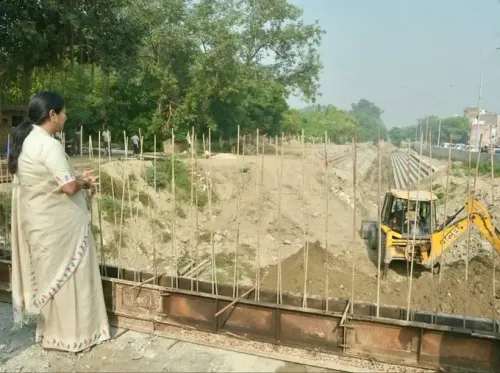
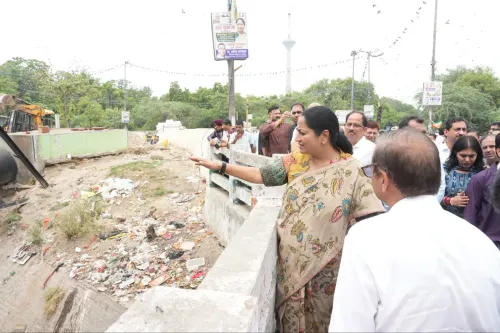
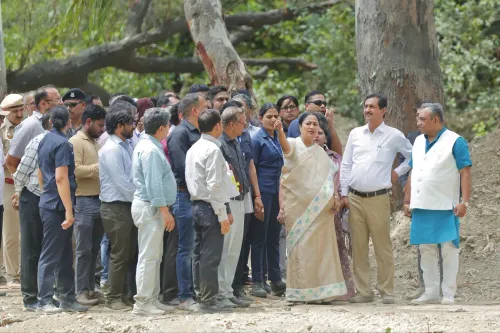
Faith is about to meet infrastructure on a scale Delhi has never seen before. Delhi Chief Minister Rekha Gupta announced on Thursday, November 12 that an 11-kilometre-long Chhath Ghat along the Munak Canal is ready to welcome devotees — the city's most ambitious single ghat site yet — with BJP National President Nitin Nabin set to inaugurate it at 1 PM today.
An 11-km ghat and what it signals for the capital's Chhath future
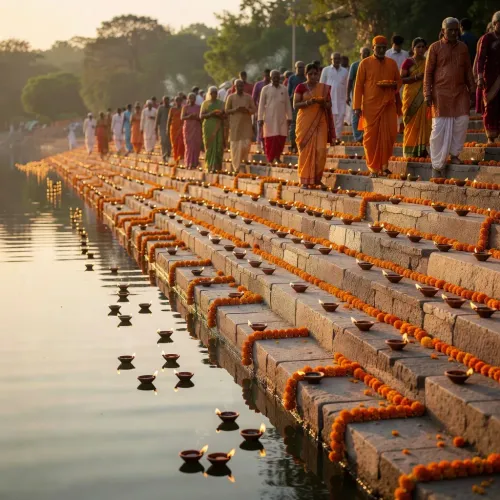
The scale is striking. A single, continuous ghat stretching 11 kilometres along the Munak Canal is designed to give thousands of families a clean, organised stretch of riverbank to offer arghya (prayers to the rising and setting sun) without the overcrowding that has historically plagued Yamuna-side ghats. CM Gupta called it 'a special space for families to come together, offer their prayers and celebrate this beautiful festival.'
Across the city, the administration claims 1,400 Chhath Ghats are operational this season, supplemented by grand arrangements along the Yamuna. Delhi governments have over several years incrementally expanded temporary ghat infrastructure, but the Munak site — if it delivers on its promise — would represent the single largest such addition in recent memory.
Nitin Nabin's 1 PM inauguration at Munak Nahar
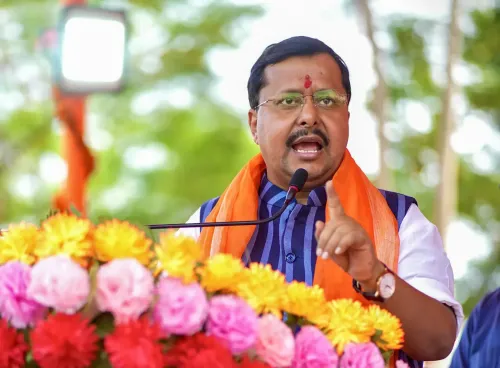
BJP National President Nitin Nabin will formally inaugurate the Munak Nahar Chhath Ghat at 1 PM on November 12. The choice of the party's national president for the ribbon-cutting underlines the political weight the BJP-led Delhi government is placing on its Chhath preparations — a festival with deep emotional resonance among communities originally from Bihar and Uttar Pradesh, who form a significant slice of Delhi's electorate.
CM Gupta's post, shared in the morning hours, invoked the blessings of Chhathi Maiya — the folk deity at the heart of the festival — wishing 'every home happiness, good health and prosperity.' The message, closing with 'Jai Chhathi Maiya!', is pitched squarely at the devotee community ahead of the festival's most sacred ritual days.
Chhath Puja's hold on Delhi and what devotees can expect
Chhath Puja is one of Hinduism's most demanding festivals — a multi-day observance of fasting, riverbank vigils, and sunrise and sunset rituals honouring Surya Dev (the Sun God) and Chhathi Maiya. In Delhi, it draws millions, particularly from the large diaspora of Bihar and eastern Uttar Pradesh residents who treat it as a non-negotiable annual homecoming, even when home is a DDA flat in Dwarka or a colony in Shahdara.
State administrations across India routinely deploy infrastructure — temporary ghats, lighting, crowd-management barriers, sanitation — to support the festival, and the Munak Canal site fits that pattern. The real test, as always, will come during the sandhya arghya (evening offering) and usha arghya (dawn offering) when crowds surge simultaneously across hundreds of ghats.
Whether the new canal ghat can absorb that footfall — safely and without the pollution concerns that have dogged Yamuna Chhath sites — will determine whether it becomes a permanent fixture on the Delhi Chhath calendar or a one-season experiment. Watch the numbers that come in from Munak after sundown.
Point of View
The choice to have the party's national president perform the inauguration is a signal as much as it is a ceremony. The Munak Canal site also offers a tactical escape from the perennial controversy over pollution levels at Yamuna ghats, shifting the optics to a newer, cleaner venue. If turnout and safety metrics hold up, the administration will have a durable political and civic asset; if crowd management falters, the scale of the site becomes the story.
NationPress
12 Nov 2026
Frequently Asked Questions
Where is the new 11-km Chhath Ghat in Delhi?
The new 11-km Chhath Ghat is located along the Munak Canal (Munak Nahar) in Delhi, inaugurated on November 12, 2026 .
Who inaugurated the Munak Nahar Chhath Ghat?
BJP National President Nitin Nabin inaugurated the Munak Nahar Chhath Ghat at 1 PM on November 12, 2026 , as announced by Delhi CM Rekha Gupta.
How many Chhath Ghats are there in Delhi in 2026?
Delhi CM Rekha Gupta's office states that 1,400 Chhath Ghats are operational across the capital for Chhath Puja 2026 , including the new Munak Canal site and arrangements along the Yamuna.
Why was Munak Canal chosen for Delhi's Chhath Ghat?
The Munak Canal was chosen to offer a large, organised ghat space for thousands of families, easing pressure on traditional Yamuna-side ghats and providing a clean, purpose-prepared venue for Chhath rituals.
What is Chhath Puja and why is it significant in Delhi?
Chhath Puja is a major Hindu festival honouring the Sun God and Chhathi Maiya , involving fasting and riverbank rituals at sunrise and sunset. It holds deep significance for Delhi's large diaspora community from Bihar and eastern Uttar Pradesh.