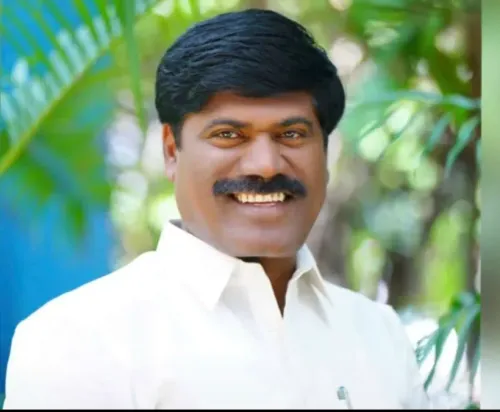
CM Revanth Reddy condoles death of ex-MLA Kommidi Narsimha Reddy
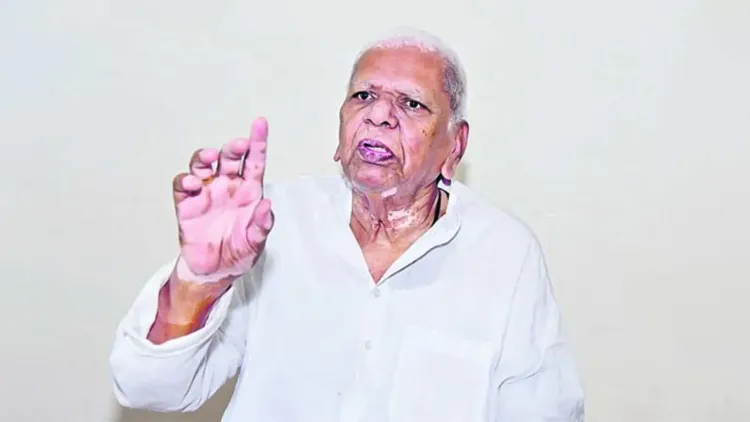
Synopsis
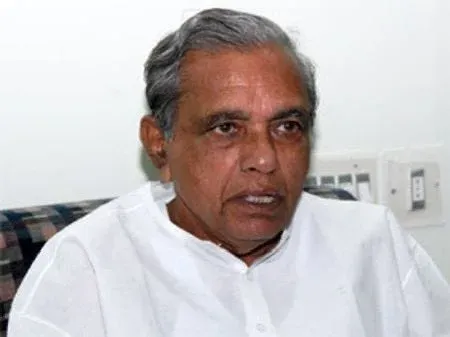
Telangana Chief Minister A. Revanth Reddy has mourned the death of Kommidi Narsimha Reddy, a two-time MLA from Bhuvanagiri who fought in the 1969 Telangana agitation, championed Godavari and Musi river causes, and donated 300 acres to the Bhoodan movement.
Key Takeaways
Revanth Reddy expressed deep condolences over the death of former Bhuvanagiri MLA Kommidi Narsimha Reddy on 7 July 2026 .
Narsimha Reddy was an active participant in the 1969 first-phase Telangana agitation and represented Bhuvanagiri in the assembly in 1978 and 1983 .
He donated 300 acres of his own land to the Bhoodan movement , the land-redistribution initiative led by Vinoba Bhave.
He led campaigns for Godavari river water rights and Musi river conservation , issues that remain active in Telangana's political discourse.
The Chief Minister described him as 'an ideal for the present generation' and conveyed sympathies to the bereaved family.
The Chief Minister's Office of Telangana announced on Tuesday, 7 July 2026, that Chief Minister A. Revanth Reddy has expressed deep condolences over the passing of Kommidi Narsimha Reddy, former two-time Member of the Legislative Assembly from Bhuvanagiri, describing him as a man of integrity who stood by the people throughout his life.
Context
The Chief Minister's Office shared the tribute on X, recalling that Kommidi Narsimha Reddy was an active participant in the 1969 first-phase Telangana agitation — the early chapter of the decades-long movement that eventually led to the formation of a separate Telangana state in 2014. Revanth Reddy praised him as someone who 'lived with honesty and integrity until his last breath' (తుదిశ్వాస వరకు నీతినిజాయితీతో జీవించారు). The statement did not specify the exact date or circumstances of his death.
Narsimha Reddy won the Bhuvanagiri assembly seat twice, in 1978 and 1983, representing the constituency at a time when Telangana's political identity was being actively contested within the then-unified Andhra Pradesh.
Policy Backdrop
The Chief Minister specifically highlighted Narsimha Reddy's role in campaigns for Godavari river water rights and the Musi river conservation movement — both issues that remain live in Telangana's political and environmental discourse. His work on water rights echoes the original 1969 agitation's core grievances, which centred on equitable distribution of resources, jobs, and development between regions of the then-combined state.
Perhaps most strikingly, the tribute recalled that Narsimha Reddy donated 300 acres of his own land to the Bhoodan movement — the landmark land-redistribution initiative launched by Vinoba Bhave in the 1950s to transfer agricultural land to landless farmers. This act of voluntary donation was cited by the Chief Minister as evidence of his 'great humanitarian' character.
Stakeholders and Impact
The death of a figure who bridges the 1969 Telangana agitation and the era of elected representation carries symbolic weight for activists, historians, and residents of Bhuvanagiri who remember his tenure. The Chief Minister's tribute underscores the Congress-led state government's effort to position itself as the custodian of Telangana's long statehood struggle and its associated social reform legacy.
Revanth Reddy described Narsimha Reddy as 'an ideal for the present generation' (నేటి తరానికి ఆదర్శప్రాయుడు), a framing that connects personal austerity and public service to contemporary political values. The Chief Minister also conveyed his 'profound sympathies' to the Kommidi Narsimha Reddy family and prayed for peace for the departed soul.
What's Next
Responses from opposition parties and civil society groups active in the Telangana statehood movement are likely to follow. Given that Narsimha Reddy was associated with both Godavari and Musi river causes, his passing may prompt renewed references to these ongoing water-management debates in state legislative proceedings. The tribute also reinforces the broader pattern of the Telangana government formally honouring former legislators who participated in the statehood struggle — a practice that helps anchor present-day governance to the state's founding narrative.
Point of View
Reinforcing the Congress party's claim to that legacy. By foregrounding Narsimha Reddy's Bhoodan land donation and river-rights activism, the tribute weaves together land justice and water equity — two themes central to Telangana's founding grievances that the current administration frequently invokes. The reference to Godavari and Musi river campaigns is particularly pointed given ongoing debates about river management and the high-profile Musi riverfront project. Such condolence statements serve a dual purpose: honouring a departed public figure while signalling the ideological continuity the ruling party seeks to project.
NationPress
5 Oct 2026
Frequently Asked Questions
Who was Kommidi Narsimha Reddy?
Kommidi Narsimha Reddy was a former two-time MLA from Bhuvanagiri constituency in Telangana, elected in 1978 and 1983, who participated in the 1969 Telangana agitation and donated 300 acres to the Bhoodan movement.
Why did CM Revanth Reddy pay tribute to Kommidi Narsimha Reddy?
Chief Minister A. Revanth Reddy paid tribute following Narsimha Reddy's death, recognising his role in the 1969 Telangana agitation, his campaigns for Godavari water rights and Musi river conservation, and his land donation to the Bhoodan movement.
What is the Bhoodan movement and why is Narsimha Reddy's donation significant?
The Bhoodan movement was a voluntary land-donation initiative launched by Vinoba Bhave in the 1950s to redistribute agricultural land to landless farmers. Narsimha Reddy's donation of 300 acres made him a notable contributor to this social reform effort in Telangana.
What was the 1969 Telangana agitation?
The 1969 Telangana agitation was the first major phase of the movement demanding a separate state for the Telangana region, citing grievances over water sharing, employment, and development disparities within the then-unified Andhra Pradesh. The statehood demand was finally fulfilled in 2014.
What river causes was Kommidi Narsimha Reddy associated with?
He led campaigns for Godavari river water rights for the Telangana region and was involved in the Musi river conservation movement, both of which remain active issues in Telangana's political and environmental debates.