CM Revanth Reddy inaugurates Southern Police meet at ICCC Hyderabad
Synopsis
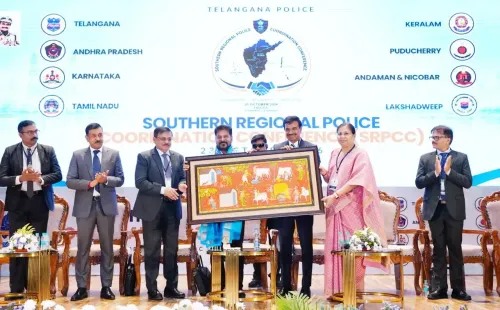
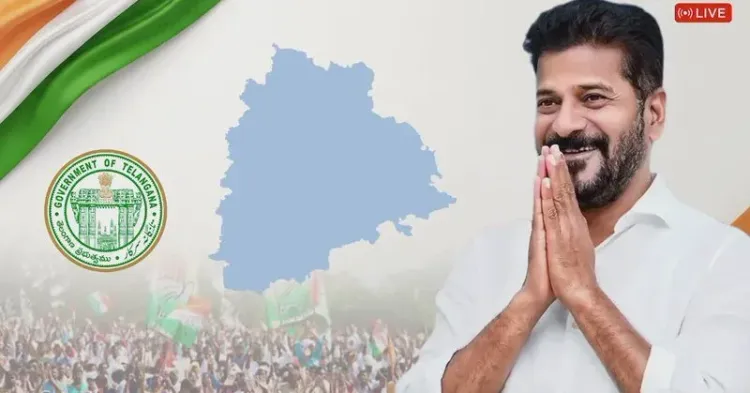
Telangana Chief Minister A. Revanth Reddy inaugurated the Southern Regional Police Coordination Committee meeting at ICCC Hyderabad on October 23, 2026, bringing southern Indian states together to strengthen inter-state law enforcement cooperation.
Key Takeaways
Revanth Reddy participated in the inauguration of the Southern Regional Police Coordination Committee meeting on October 23, 2026 .
The meeting was held at the Integrated Command and Control Centre (ICCC) in Hyderabad .
The SRPCC is a periodic inter-state body coordinating law enforcement across southern Indian states.
Telangana shares borders with five states , making inter-state police coordination strategically critical for the region.
Official agenda, participants, and resolutions of the October 2026 session are yet to be released publicly.
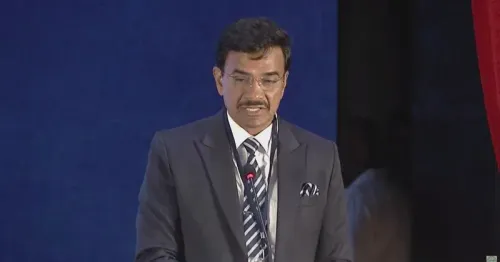
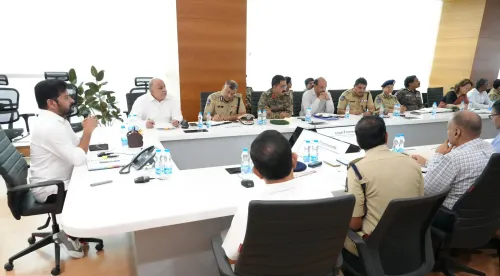
Hyderabad stepped into a sharper security spotlight on Friday, October 23, 2026, as Telangana Chief Minister A. Revanth Reddy participated in the inauguration of the Southern Regional Police Coordination Committee (SRPCC) meeting at the city's Integrated Command and Control Centre (ICCC) — a gathering that brings together law-enforcement leadership from across southern India under one roof.
Why the ICCC and why now
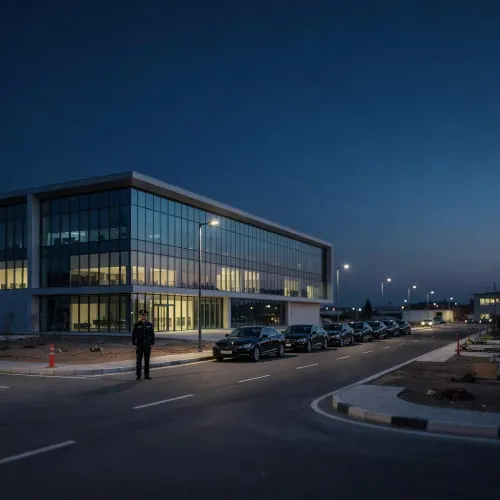
The ICCC Hyderabad is no ordinary venue choice. The facility serves as the nerve centre for real-time surveillance, traffic management, and emergency coordination for the city, making it a fitting — and symbolically loaded — backdrop for a regional security conclave. Hosting the meeting there signals Telangana's intent to anchor the conversation in operational infrastructure, not just policy talk.
The Southern Regional Police Coordination Committee is a periodic inter-state body designed to close the gaps that state borders create in law enforcement — gaps that organised crime, trafficking networks, and insurgent movements routinely exploit. Regular meetings allow police chiefs and senior officers from southern states to synchronise intelligence, align protocols, and fast-track action on cross-border cases.
Revanth Reddy's role as host CM
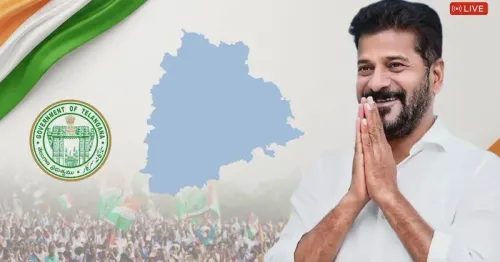
As both Chief Minister of Telangana and president of the Telangana Pradesh Congress Committee, Revanth Reddy's presence at the inauguration carries administrative as well as political weight. A sitting chief minister inaugurating a multi-state police coordination forum underscores the state government's direct stake in the meeting's outcomes. Telangana, sharing borders with Andhra Pradesh, Maharashtra, Chhattisgarh, Karnataka, and Odisha, sits at a strategic crossroads where inter-state coordination is not optional — it is essential.
The exact agenda, participating delegations, and resolutions of the October 2026 session have not yet been officially released, but such meetings typically cover shared intelligence frameworks, fugitive tracking, cybercrime cooperation, and coordination on law-and-order events that spill across state lines.
A routine mechanism with real stakes
Regional police coordination committees are a standing feature of India's internal security architecture — unglamorous, but consequential. When they work well, a criminal absconding across a state line runs out of runway faster. When they stall, jurisdictional friction becomes a liability. The fact that a chief minister, rather than a home secretary, was present at the inauguration suggests Telangana is treating this edition of the meeting as more than a bureaucratic formality.
Outcomes and joint statements from the committee's deliberations will be the real measure of the day's work — and southern India's law-enforcement community will be watching closely.
Point of View
Not leaving it to bureaucratic routine. For Revanth Reddy, who governs a state at a multi-state crossroads, strong inter-state law-enforcement ties are both a governance necessity and a reputational asset. The choice of ICCC Hyderabad as venue reinforces a broader Congress-led state government narrative of tech-forward, infrastructure-backed governance. Whether the meeting produces concrete inter-state protocols or remains a high-profile procedural event will define its lasting significance.
NationPress
23 Oct 2026
Frequently Asked Questions
What is the Southern Regional Police Coordination Committee?
The Southern Regional Police Coordination Committee (SRPCC) is a periodic inter-state body that brings together law-enforcement leadership from southern Indian states to synchronise intelligence, align protocols, and coordinate on cross-border crime and security matters.
Where was the October 2026 SRPCC meeting held?
The meeting was held at the Integrated Command and Control Centre (ICCC) in Hyderabad , Telangana, which serves as the city's real-time surveillance and emergency coordination hub.
Why did CM Revanth Reddy attend the police coordination meeting?
As Chief Minister of Telangana, A. Revanth Reddy participated in the inauguration to represent the host state government and signal Telangana's commitment to regional security cooperation.
Which states participate in the Southern Regional Police Coordination Committee?
The SRPCC includes southern Indian states as its members. Telangana, which borders Andhra Pradesh, Maharashtra, Chhattisgarh, Karnataka, and Odisha , is a key participant given its strategic location.
What issues does the Southern Police Coordination Committee typically address?
Such meetings typically cover shared intelligence frameworks, inter-state fugitive tracking, cybercrime cooperation, and coordination on law-and-order situations that cross state boundaries.