CM Revanth Reddy likens Gyanesh panel to Simon Commission
Synopsis
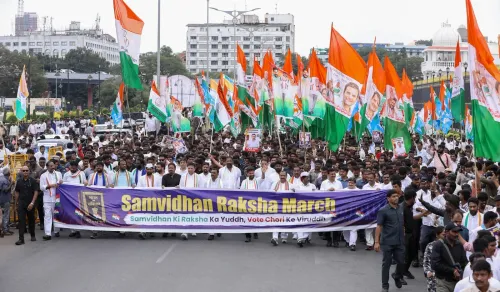
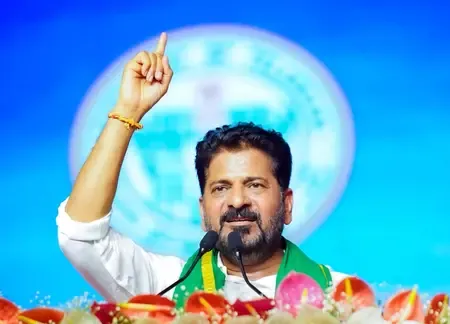
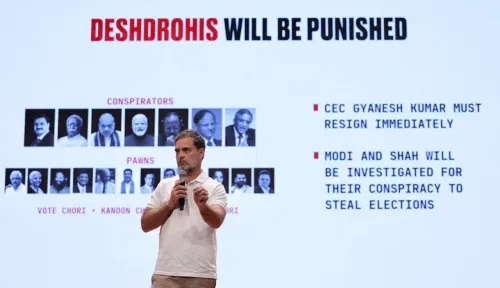
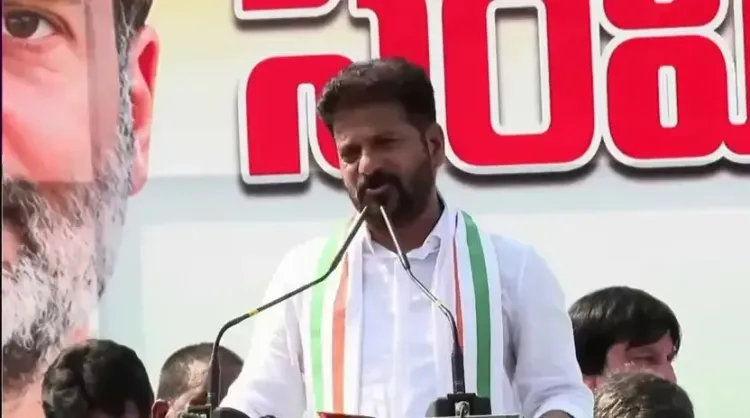
Telangana CM A. Revanth Reddy likened a Gyanesh Commission to the 1928 Simon Commission, accusing PM Narendra Modi of a bid to rob over 20 crore votes before 2029. He said Rahul Gandhi is leading a movement to protect the ballot and Ambedkar's Constitution.
Key Takeaways
Telangana Chief Minister A.
Revanth Reddy on 26 November 2026 compared the 1928 Simon Commission protests to the present electoral fight.
He alleged Prime Minister Narendra Modi wants to misuse a Gyanesh Commission to rob more than 20 crore votes before 2029.
He said Rahul Gandhi is leading a national movement to protect every citizen's vote and Dr B.R.
Ambedkar's Constitution.
He predicted a 2029 victory under Gandhi's leadership and closed with Jai Hind, Jai Samvidhan.
The Simon Commission was appointed in 1927 and boycotted across India in 1928; Bhagat Singh became a symbol of that protest.
The 20-crore vote-deletion claim is not independently established in public records.
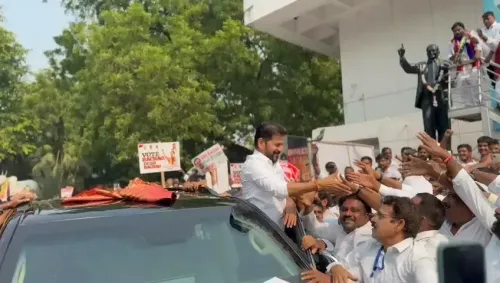
Telangana Chief Minister A. Revanth Reddy on Thursday, 26 November 2026 reached a hundred years back to the Simon Commission protests, then snapped the analogy into the present: Prime Minister Narendra Modi, he alleged, wants to misuse a Gyanesh Commission to rob more than 20 crore votes before 2029. He placed Rahul Gandhi at the head of what he called a national movement to protect every citizen's vote and Dr B.R. Ambedkar's Constitution.
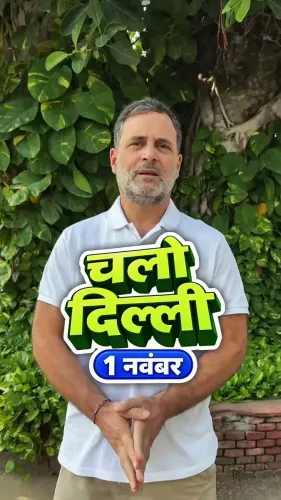
The post, accompanied by a video, opened in 1928. The British, Reddy wrote, appointed the Simon Commission, 'against which the entire country stood united'. Bhagat Singh led an agitation that fired the spirit of patriotism, inspired the national movement, and culminated in Independence in 1947.
Bhagat Singh and the boycott of 1928
History is slightly more precise than the slogan. The all-British Simon Commission was appointed in 1927 to review constitutional reforms and faced a nationwide boycott as it moved through India in 1928. Indian political groups rejected an inquiry with no Indian members. Bhagat Singh, executed in 1931, became one of the fiercest public symbols of that revolt. Reddy compressed the whole arc — protest, patriotism, freedom — into a single political weapon.
The 20-crore allegation and the 2029 pledge
'A century later, a similar pattern is repeating,' he wrote, after Modi 'wanting to misuse Gyanesh Commission to rob more than 20 crore votes before 2029'. Rahul Gandhi, he said, is leading the national movement today to protect the votes of every citizen and the Constitution. In 2029, 'Rahul ji will take us to victory' and they will fight under his leadership 'to save Dr Ambedkar's constitution'. He closed with Jai Hind, Jai Samvidhan (Victory to India, Victory to the Constitution).
That 20-crore figure, and the claim that a Gyanesh Commission would be used to delete those votes, is Reddy's charge. It is not independently established in public records. India's next general-election cycle is due around 2029 under the Constitution's five-year timetable.
Congress, colonial memory and the voter-roll fight
Indian opposition figures routinely reach for anti-colonial protests when they contest electoral institutions. Reddy's message follows that script: a commission that united the country, a martyr who lit the fuse, a present-day body recast as the new threat, and a Congress leader named as commander. The audience is Indian voters. The stake he names is the franchise itself.
What matters next is not the rhyme with 1928. It is whether electoral authorities issue formal reports on voter rolls or delimitation, and whether Parliament or the Election Commission address the integrity questions this rhetoric is designed to keep alive, before 2029.
The election Reddy is already fighting is three years out. The argument over who gets counted has started now.
Point of View
He is trying to turn a technical dispute over electoral machinery into a moral sequel to the freedom movement. The unverified 20-crore figure is the detonator — large enough to suggest theft at civilisation scale, specific enough to travel on social media. The test for this line is not 1928. It is whether voters, courts and the Election Commission treat roll revision and institutional appointments as constitutional maintenance or as a heist.
NationPress
26 Nov 2026
Frequently Asked Questions
What did Revanth Reddy say about the Gyanesh Commission?
Telangana Chief Minister A. Revanth Reddy alleged that Prime Minister Narendra Modi wants to misuse a Gyanesh Commission to rob more than 20 crore votes before 2029. He compared that charge to the nationwide protest against the British-appointed Simon Commission in 1928.
Why did Revanth Reddy mention Bhagat Singh and the Simon Commission?
He argued that Bhagat Singh led agitation against the 1928 Simon Commission that inspired the national movement and Independence in 1947. He said a similar pattern is repeating a century later and placed Rahul Gandhi in a comparable leadership role.
What was the Simon Commission?
It was an all-British body appointed in 1927 to review constitutional reforms in India and was widely boycotted as it toured the country in 1928. Indian political groups rejected an inquiry that included no Indian members.
Did Revanth Reddy predict the 2029 election result?
In his post he said Rahul Gandhi will take the country to victory in 2029 and that they will fight under his leadership to save Dr Ambedkar's Constitution. That is a political pledge, not a confirmed outcome.
Is the 20 crore votes claim verified?
No. The specific claim that a Gyanesh Commission would be used to rob more than 20 crore votes is not independently established in established public records.