CM Rio Condemns Khuzama Blast, Vows Security Steps
Synopsis
Nagaland Chief Minister Neiphiu Rio on November 11, 2026 strongly condemned a reported blast at Khuzama village in Kohima district, warning it threatens peace and harmony, and confirmed the government is taking all steps to ensure public safety.
Key Takeaways
CM Neiphiu Rio condemned a reported blast at Khuzama, Kohima district on November 11, 2026 .
Rio stated the blast 'creates fear among our people and threatens peace and harmony.' The government confirmed it is 'seized of the situation' and taking all steps to ensure safety and security.
Khuzama is a village within Kohima district , the administrative capital region of Nagaland.
Nagaland has experienced periodic low-intensity violence despite ceasefire agreements, including the 2015 Framework Agreement with NSCN-IM.
Specific details of the blast, including its cause and perpetrators, remain under investigation and unconfirmed.
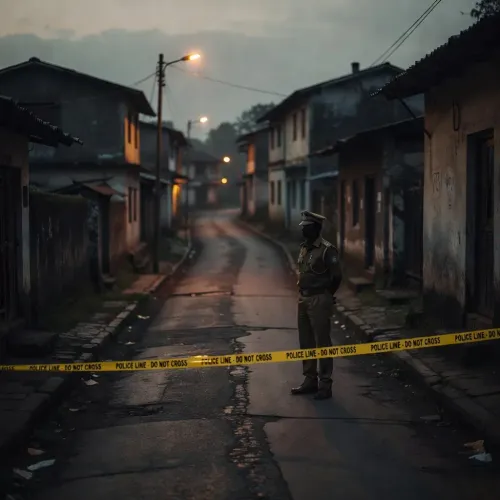
A blast reported in Khuzama village, Kohima district, sent shockwaves through Nagaland on Wednesday, November 11, 2026 — and Chief Minister Neiphiu Rio moved swiftly to condemn the incident, declaring that the state government is fully seized of the situation.
Posting on X, CM Rio said: 'I strongly condemn the reported blast at Khuzama, Kohima. Such acts have no place in a civilised society. It creates fear among our people and threatens peace and harmony. The Govt. is seized of the situation. All steps are being taken to ensure the safety and security of our people.'
A village in Kohima district thrust into the spotlight
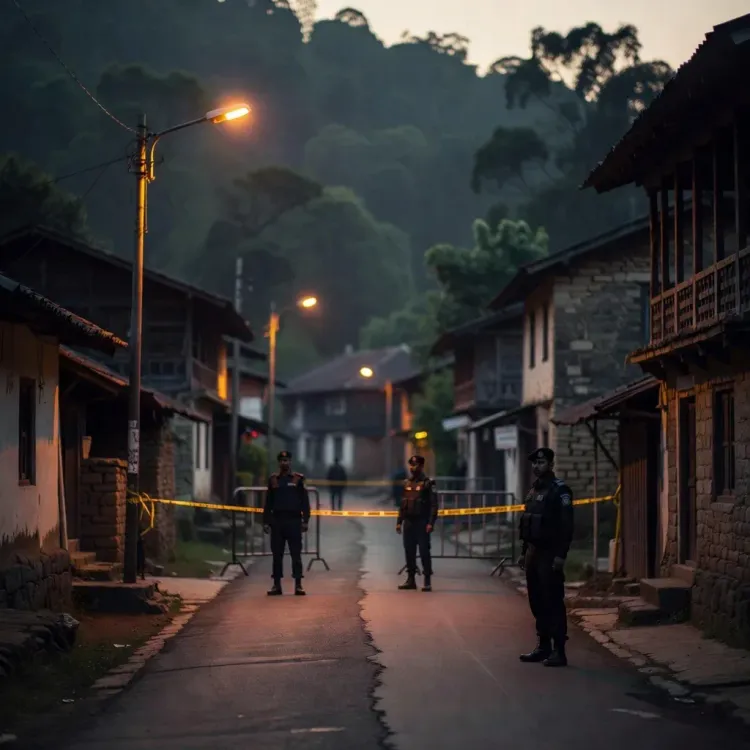
Khuzama is a village within Kohima district, the administrative heartland of Nagaland. Kohima, the state capital, sits at the centre of a region that has seen periodic episodes of low-intensity violence despite decades of peace negotiations. The specific details of the blast — its cause, scale, and any casualties — have not been officially confirmed beyond the Chief Minister's reference to a 'reported' incident, and investigations are underway.
The phrasing matters. By describing it as a 'reported' blast, Rio's statement signals that authorities are still in the early phase of assessing and verifying the ground situation — standard protocol when security forces are yet to cordon and confirm the site.
Nagaland's long shadow of periodic violence
Nagaland has lived with the architecture of ceasefire agreements for decades, the most significant being the 2015 Framework Agreement between the Government of India and the NSCN-IM, which sought to resolve the foundational Naga political issue and curtail insurgency-linked violence. Yet the state has not been entirely free of incidents — factional militant activity and extortion-driven flare-ups have continued to surface sporadically, unsettling civilian life in districts including Kohima.
State administrations, when such incidents occur, typically issue immediate condemnations and trigger coordination between the Nagaland Police, central paramilitary forces, and the Ministry of Home Affairs. CM Rio's post follows that established pattern — firm, unambiguous in tone, and focused on reassuring the public that the administration is in command of the response.
What the government's response signals
'Such acts have no place in a civilised society' — the phrase is deliberate. It places the blast outside any claim to legitimate political grievance, sending a signal both to residents and to any groups that may be responsible. The Chief Minister's emphasis on 'peace and harmony' also carries weight in a state where community trust in governance is central to fragile stability.
The immediate watch-point is the Nagaland Police investigation — whether it surfaces organisational links, and whether central security agencies are drawn into the response. Any escalation or formal attribution would sharply raise the stakes for the state's already complex security landscape.
For the people of Khuzama and Kohima, the next hours will determine whether this was an isolated incident or the opening of a more troubling chapter.
Point of View
Unequivocal condemnation is a calibrated move that serves both a domestic and a political function — it reassures a civilian population unsettled by the blast while signalling to any responsible actors that the state has zero tolerance. The deliberate use of 'reported' reflects governing caution: owning the response without overclaiming facts still being verified. Set against the unresolved Naga political dialogue and periodic militant flare-ups, any confirmed explosion in Kohima district tests the durability of the region's fragile peace architecture and may trigger renewed pressure on the Centre to accelerate a final settlement.
NationPress
11 Nov 2026
Frequently Asked Questions
What happened at Khuzama, Kohima on November 11, 2026?
A blast was reported at Khuzama village in Kohima district, Nagaland on November 11, 2026 . Specific details, including the cause and any casualties, are under investigation by Nagaland Police.
What did Nagaland CM Neiphiu Rio say about the Khuzama blast?
CM Neiphiu Rio strongly condemned the blast, calling it an act with 'no place in a civilised society,' and confirmed that the government is seized of the situation and taking all steps to ensure public safety and security.
Where is Khuzama village located?
Khuzama is a village in Kohima district , Nagaland. Kohima is the state capital and the administrative centre of Kohima district.
Is Nagaland still affected by militant or insurgency violence?
Despite multiple ceasefire agreements including the 2015 Framework Agreement between the Government of India and NSCN-IM, Nagaland has continued to experience periodic low-intensity violence linked to factional militant activity and extortion.
What security steps follow a blast incident in Nagaland?
Typically, the Nagaland Police launches an investigation and coordinates with central paramilitary forces and the Ministry of Home Affairs . The state government issues public reassurances while security agencies cordon and assess the site.