CM Rio Appeals for Hostage Release Citing Naga Values

Synopsis
Nagaland Chief Minister Neiphiu Rio on June 9, 2026, disclosed a formal appeal for the safe release of hostages, grounding his intervention in compassion, human dignity, and the values of the Naga people — a move consistent with the state government's humanitarian role in the long-running Indo-Naga peace process.
Key Takeaways
Chief Minister Neiphiu Rio formally appealed for the safe release of hostages on June 9, 2026 .
The appeal was guided by 'compassion, human dignity and the values that define the Naga people,' according to Rio's own statement.
Rio framed the gesture as reflecting respect for human life and a belief that 'humanity must prevail' even in conflict.
The statement is consistent with Nagaland 's long-standing dual-track approach of dialogue and humanitarian de-escalation dating to ceasefire agreements from 1997 .
The 2015 Framework Agreement between the Government of India and NSCN-IM forms the broader policy backdrop for such state-level humanitarian interventions.
Observers are watching for responses from armed groups and the Ministry of Home Affairs on hostage developments and formal talks.
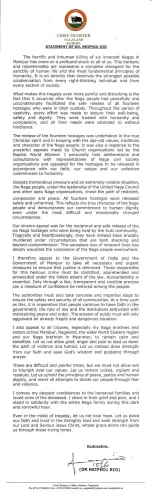
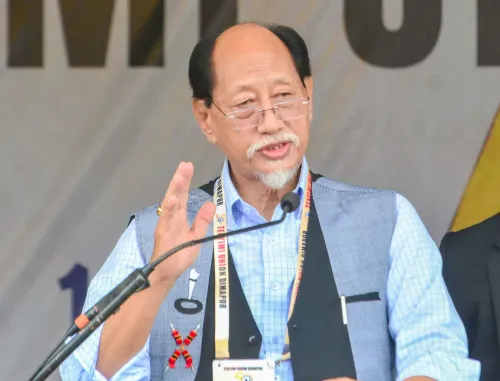
Nagaland Chief Minister Neiphiu Rio on Tuesday, June 9, 2026, publicly stated that he had formally appealed for the safe release of hostages, invoking compassion, human dignity, and the values of the Naga people. The appeal, shared on his official X account, underscores the state government's humanitarian posture amid ongoing conflict dynamics in the region.
Context
In the post, Chief Minister Rio stated: 'I had also formally appealed for the safe release of the hostages, guided by compassion, human dignity and the values that define the Naga people.' He added that the gesture reflects 'respect for human life, commitment to human rights and belief that even amidst conflict, humanity must prevail.' The statement is framed as a personal and formal intervention, signalling direct engagement by the state's top executive in a sensitive humanitarian matter.
Nagaland has experienced decades of armed conflict involving multiple Naga insurgent groups. Hostage situations and civilian safety concerns have periodically surfaced within this broader security environment, placing state leaders in the role of humanitarian interlocutors alongside their administrative duties.
Policy Backdrop
The appeal sits within a long arc of Indo-Naga peace efforts. The landmark 2015 Framework Agreement between the Government of India and the NSCN-IM sought a durable political settlement to the Naga issue, while ceasefire arrangements formalised from 1997 onward have enabled sustained dialogue. State-level humanitarian messaging has consistently operated alongside these central government negotiations.
Chief Minister Rio, as leader of the Nationalist Democratic Progressive Party (NDPP) and a veteran of multiple dialogue rounds, has been a consistent voice for restraint and civilian protection. His framing of the appeal around 'the values that define the Naga people' is consistent with a broader rhetorical tradition that roots political and humanitarian arguments in Naga cultural identity.
Stakeholders and Impact
The most immediate stakeholders are the hostages themselves and their families, whose safety the Chief Minister has publicly prioritised. Naga civilians and conflict-affected communities across the state also have a direct interest in any de-escalation that follows such appeals. When senior elected officials make formal public appeals of this nature, it can create political pressure on armed actors to respond.
The statement also carries significance for the broader peace process. It signals that the Nagaland state government continues to assert a humanitarian role even when central negotiations are in flux, maintaining a visible channel of communication and moral authority.
What's Next
Observers will watch for any follow-up response from the armed groups involved, as well as any statement from the Ministry of Home Affairs in New Delhi on the hostage situation or the status of formal peace talks. A public appeal of this nature from the Chief Minister could precede or accompany back-channel diplomatic activity. The humanitarian framing adopted by Rio also leaves open the possibility of further formal appeals or facilitated negotiations if the situation remains unresolved.
Point of View
Not merely a personal statement — it places the moral weight of the state's highest office behind civilian protection at a moment when the broader Indo-Naga peace process remains unresolved. By anchoring the appeal in 'the values that define the Naga people,' Rio is simultaneously speaking to armed actors, Naga civil society, and the national government, invoking cultural legitimacy alongside political authority. This mirrors a pattern seen across Northeast India where state leaders use rights-based language to maintain relevance in conflicts that are formally managed by the Centre. The statement keeps the Nagaland government visible as a humanitarian stakeholder and may be a precursor to more formal mediation activity.
NationPress
23 Oct 2026
Frequently Asked Questions
Why did Nagaland CM Neiphiu Rio appeal for hostage release?
Chief Minister Rio stated he was guided by compassion, human dignity, and the values of the Naga people, expressing a belief that humanity must prevail even in conflict.
Who are the hostages referred to by CM Rio?
The specific identity of the hostages has not been disclosed in the public statement; Rio's post confirms a formal appeal was made without naming individuals or the group holding them.
What is the Indo-Naga peace process?
The Indo-Naga peace process is a long-running effort to resolve armed conflict in Nagaland, anchored by ceasefire agreements from 1997 and a Framework Agreement signed between the Government of India and NSCN-IM in 2015.
What role does the Nagaland state government play in the Naga conflict?
The state government acts as a humanitarian and political interlocutor, making appeals for restraint and civilian safety while the central government leads formal negotiations with Naga armed groups.
What happens next after CM Rio's hostage appeal?
Observers are watching for responses from armed groups involved, as well as any statement from the Ministry of Home Affairs on the hostage situation or the resumption of formal peace talks.