CM Rio Welcomes Safe Release of Kuki Hostages by Naga Bodies
Synopsis
Nagaland Chief Minister Neiphiu Rio on June 9, 2026 welcomed the safe release of Kuki hostages by the United Naga Council and Naga civil society organisations, following a humanitarian appeal by church bodies led by the Baptist World Alliance — a rare cross-community gesture amid Northeast India's protracted ethnic tensions.
Key Takeaways
Nagaland Chief Minister Neiphiu Rio publicly welcomed the safe and humane release of Kuki hostages on June 9, 2026 .
The release was carried out by the United Naga Council and Naga civil society organisations .
The action followed a humanitarian appeal by church bodies led by the Baptist World Alliance .
The development reflects the continued role of religious and civil society networks as mediators in Northeast India's ethnic conflicts.
The episode comes against the backdrop of ethnic violence in Manipur that has persisted since May 2023 .
Follow-up action from the Ministry of Home Affairs and state governments on peace mechanisms is being watched closely.
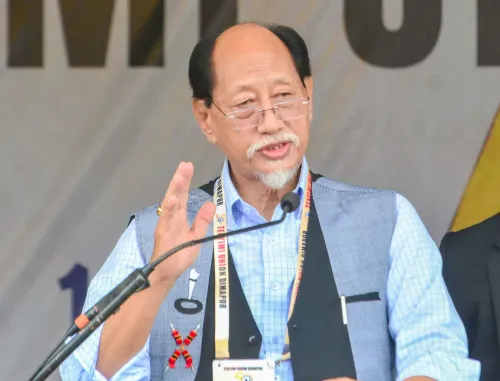
Nagaland Chief Minister Neiphiu Rio on Tuesday, June 9, 2026, welcomed the safe and humane release of Kuki hostages by the United Naga Council and Naga civil society organisations, crediting the intervention of church bodies led by the Baptist World Alliance for the outcome.
Context
In a post on X, Chief Minister Rio stated: 'I welcome the safe and humane release of the Kuki hostages by the United Naga Council and Naga civil society organisations, in response to the appeal made by Church bodies led by the Baptist World Alliance.' The statement signals a rare moment of cross-community humanitarian cooperation in a region long marked by ethnic tensions among Naga, Kuki, and Meitei communities.
The release comes against the backdrop of protracted low-intensity conflict in Northeast India, where formal state mechanisms have often struggled to reach remote tribal areas. Civil society and religious institutions have historically stepped in as intermediaries in such situations.
Policy Backdrop
The 2015 Framework Agreement between the Government of India and the NSCN-IM laid the groundwork for a peaceful resolution of the Naga political issue through sustained dialogue. Since ethnic violence erupted in Manipur in May 2023, church-led appeals have repeatedly sought de-escalation involving both Kuki and Naga communities.
The Baptist World Alliance, a global network of Baptist churches active in humanitarian and peace initiatives across conflict zones, played a central role in the appeal that preceded this release. The United Naga Council, the apex civil society body representing Naga tribes primarily in Manipur, has been a key actor in political advocacy and conflict mediation in the region.
Stakeholders and Impact
The immediate beneficiaries are the members of the Kuki community who were held hostage, and their families. The outcome also represents a significant humanitarian gesture by Naga civil society organisations, reflecting the continued influence of traditional and church networks in resolving disputes that formal institutions have found difficult to address.
For the broader Northeast India peace process, the episode underscores the indispensable role that religious and community bodies play in bridging ethnic divides. Chief Minister Rio's public acknowledgement of the release lends political weight to the outcome and signals Nagaland's support for cross-community dialogue.
What's Next
Attention will now turn to whether the Manipur and Nagaland governments, or the Ministry of Home Affairs, issue follow-up statements on peace mechanisms in the region. Joint tribal or church-mediated talks could be convened in the coming months to build on this humanitarian opening.
The release may also test whether goodwill gestures of this nature can translate into more durable ceasefires or confidence-building measures between the Kuki and Naga communities, at a time when the broader ethnic conflict in Manipur remains unresolved.
Point of View
Rio reinforces the legitimacy of non-state peace actors at a moment when the Manipur conflict remains politically sensitive for the Centre. Whether this humanitarian gesture can be leveraged into a broader dialogue framework will depend on the appetite of both the Nagaland and Manipur administrations to engage formally with these intermediaries.
NationPress
23 Oct 2026
Frequently Asked Questions
Who are the Kuki hostages released by the United Naga Council?
The Kuki hostages are members of the Kuki community in Northeast India who were held by groups associated with Naga organisations. Their safe and humane release was welcomed by Nagaland Chief Minister Neiphiu Rio on June 9, 2026, following a church-led appeal.
What role did the Baptist World Alliance play in the hostage release?
The Baptist World Alliance, a global network of Baptist churches, led an appeal by church bodies urging the United Naga Council and Naga civil society organisations to release the Kuki hostages safely and humanely.
What is the United Naga Council?
The United Naga Council is the apex civil society body representing Naga tribes primarily in Manipur. It is involved in political advocacy and has historically played a role in conflict mediation in Northeast India.
Why is there ethnic conflict between Kuki and Naga communities?
Northeast India has a long history of ethnic tensions among Naga, Kuki, and Meitei communities over land, identity, and political representation. Civil society and religious institutions frequently act as intermediaries during flare-ups, as formal state mechanisms have limited reach in remote tribal areas.
What happens next after the Kuki hostage release in Nagaland?
Observers are watching for follow-up statements from the Manipur and Nagaland governments and the Ministry of Home Affairs on peace mechanisms. Joint tribal or church-mediated talks may be convened to build on this humanitarian development.