CM Manik Saha Addresses Solid Waste Management Inaugural
Synopsis
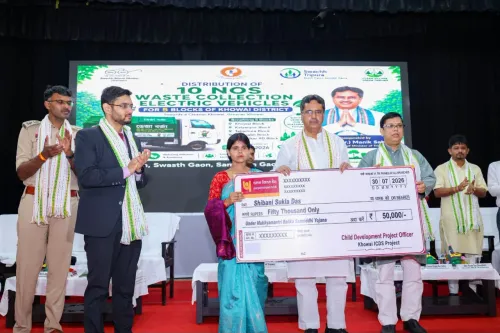
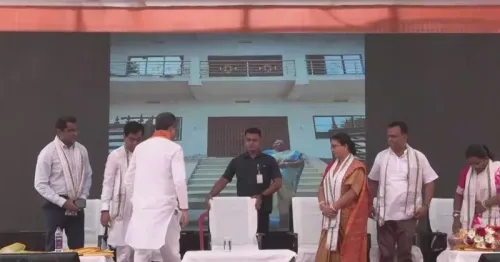
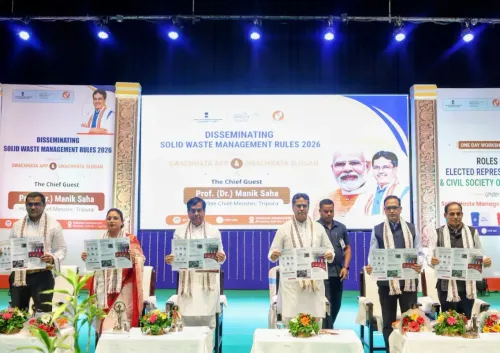
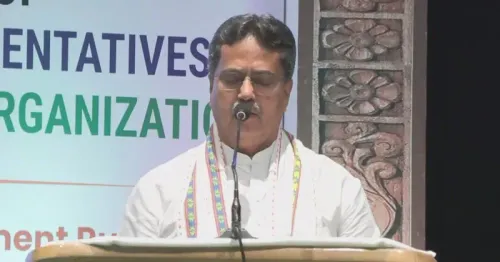
Tripura Chief Minister Dr. Manik Saha on 25 June 2026 delivered a live address at the inaugural programme of a Solid Waste Management initiative, underscoring the state's push to modernise urban sanitation infrastructure in line with the Swachh Bharat Mission.
Key Takeaways
Manik Saha , Chief Minister of Tripura , addressed the inaugural programme of a Solid Waste Management initiative on 25 June 2026 .
The event was broadcast live on X , reflecting the government's intent to publicly highlight the launch.
The initiative aligns with the Swachh Bharat Mission , launched nationally in 2014 to promote scientific waste processing and reduce open landfill use.
Tripura has received targeted central funding to upgrade municipal waste facilities in line with national environmental targets.
Urban local bodies and city residents are the primary stakeholders, with improved infrastructure expected to reduce public health risks.
Rollout timelines, segregation compliance rates, and central performance reviews will determine the programme's on-ground impact.
Tripura Chief Minister Dr. Manik Saha addressed the inaugural programme of a Solid Waste Management initiative on Thursday, 25 June 2026, delivering a live address at the event. The programme marks a step in Tripura's ongoing efforts to strengthen urban sanitation and municipal waste infrastructure in line with national environmental goals.
Context
Dr. Manik Saha shared a live broadcast of his address, signalling the government's intent to publicly highlight the launch of the solid waste initiative. Solid waste management has emerged as a priority area for urban local bodies across India's northeastern states, where rapid urbanisation has strained existing municipal infrastructure.
Tripura, like several other smaller states, has been working to upgrade its waste processing capacity to meet statutory obligations under national environmental frameworks.
Policy Backdrop
The inauguration aligns with the Swachh Bharat Mission, the national programme launched in 2014 to establish scientific solid waste processing across Indian cities and towns. The mission mandates waste segregation at source, scientific processing, and a reduction in dependence on open landfills.
Northeastern states, including Tripura, have received targeted central funding under this framework to upgrade municipal facilities. The broader goal is to align state-level infrastructure with India's national environmental and cleanliness targets.
Stakeholders and Impact
The primary beneficiaries of improved solid waste management are Tripura's urban residents and the urban local bodies responsible for daily waste collection and disposal. Better infrastructure reduces public health risks associated with unscientific waste dumping, including groundwater contamination and vector-borne disease.
Municipal workers and sanitation staff also stand to benefit from more organised and safer waste-processing systems. Improved compliance with waste segregation norms is expected to reduce the burden on existing disposal sites.
What's Next
Attention will now turn to the rollout timelines for new or upgraded processing plants, waste segregation compliance rates among households and commercial establishments, and performance reviews by the central government. How effectively Tripura's urban local bodies implement the initiative on the ground will determine its long-term impact on the state's sanitation indicators.
The programme's progress is likely to feed into Tripura's rankings under national urban cleanliness surveys, which carry both reputational and funding implications for the state.
Point of View
Not merely an administrative exercise. For a BJP-governed state in the northeast, alignment with the Swachh Bharat Mission also carries political utility, reinforcing the party's cleanliness narrative ahead of potential electoral cycles. The move fits a broader national pattern in which state governments publicly anchor local infrastructure launches to central schemes to attract continued funding and favourable survey rankings. Whether the initiative translates into measurable improvements in waste segregation and processing will be the real test of its ambition.
NationPress
24 Sept 2026
Frequently Asked Questions
What is the Solid Waste Management programme inaugurated by Tripura CM Manik Saha?
It is an urban sanitation initiative inaugurated on 25 June 2026 in Tripura , aimed at improving scientific waste collection, segregation, and processing in line with the Swachh Bharat Mission .
What is the Swachh Bharat Mission and how does it relate to Tripura?
The Swachh Bharat Mission is a national programme launched in 2014 to establish scientific solid waste processing across Indian cities. Tripura has received targeted central funding under this scheme to upgrade its municipal waste infrastructure.
Who is Dr. Manik Saha?
Dr. Manik Saha is the Chief Minister of Tripura and a senior leader of the Bharatiya Janata Party (BJP) .
Why is solid waste management important for Tripura?
Rapid urbanisation has strained Tripura's municipal infrastructure. Improved waste management reduces public health risks such as groundwater contamination and vector-borne disease, and helps the state meet national environmental compliance standards.
What will determine the success of Tripura's solid waste management initiative?
Key indicators will include rollout timelines for processing plants, household waste segregation compliance rates, and performance reviews by the central government, which also affect the state's rankings in national urban cleanliness surveys.