CM Sai Backs Anti-Paper-Leak Bill Passed by Parliament
Synopsis
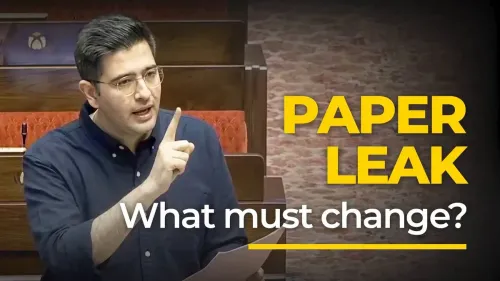
Parliament passed a bill imposing criminal penalties on paper leak networks, with PM Modi citing the move as a promise kept to India's youth. Chhattisgarh CM Vishnu Deo Sai amplified the announcement, underscoring the BJP's push to restore trust in public examinations.
Key Takeaways
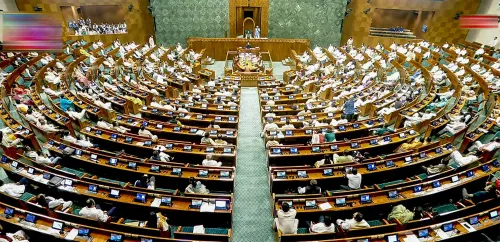
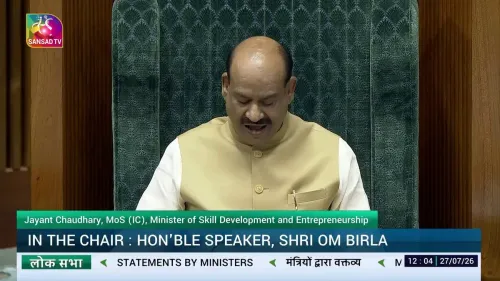
Both Houses of Parliament passed a bill with strict penal provisions against paper leaks and exam malpractice.
PM Modi framed the legislation as a promise kept to India's youth, citing extensive debate over two days in Parliament.
The Public Examinations (Prevention of Unfair Means) Bill was originally introduced in February 2024 .
The law introduces criminal penalties including jail terms for organised paper leak networks.
Chhattisgarh CM Vishnu Deo Sai shared the statement, signalling BJP's intent to highlight the legislation as a political deliverable.
Effective enforcement will depend on swift rule notification and application by exam bodies in upcoming recruitment cycles.
Paper leak mafias have long treated India's competitive exams as a marketplace — and Parliament has now slammed the door shut. Chhattisgarh Chief Minister Vishnu Deo Sai on Friday, 31 July 2026, shared a statement by Prime Minister Narendra Modi announcing that both Houses of Parliament had passed a bill carrying stringent penal provisions against those who leak question papers and sabotage the futures of the country's youth.
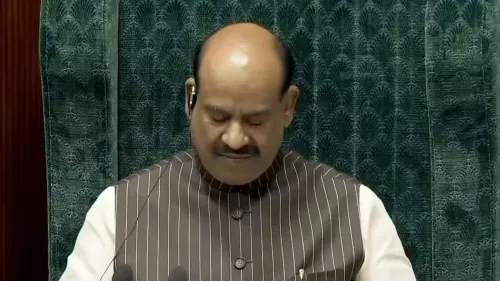
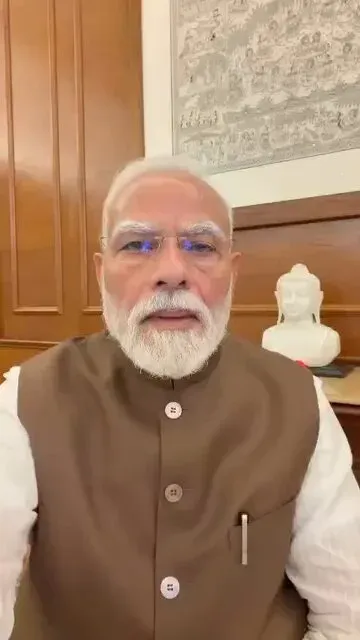
Quoting PM Modi directly, the post declared: 'Peper leak karne wale girahon aur desh ke yuvaon ke bhavishy ke saath khilwaad karne waalon ko ab kisi bhi keemat par baksha nahin jaayega' — 'Those who leak papers and play with the futures of the nation's youth will not be spared at any cost.' The Prime Minister noted that Members of Parliament from both Houses had debated the bill extensively over two days before it was passed.
What the Anti-Paper-Leak Law Targets
The legislative push traces back to the Public Examinations (Prevention of Unfair Means) Bill, first introduced in February 2024, which criminalises malpractices in public examinations. The law introduces criminal penalties including jail terms for organised paper leak rings — a direct response to a pattern of high-profile leaks in national-level competitive exams that had triggered widespread protests among job aspirants and eroded public trust in recruitment bodies.
For millions of students who spend years preparing for government recruitment exams, a single leak can mean years of effort rendered meaningless overnight. The bill's passage signals that the state now treats that harm as a criminal offence, not an administrative lapse.
Chhattisgarh CM Amplifies the Message
CM Sai's decision to share the Prime Minister's statement reflects the BJP's broader effort to frame the legislation as a fulfilled promise to youth voters. The post explicitly references Modi's earlier commitment — 'jaisa maine aapko vaada kiya tha' ('as I had promised you') — casting the bill's passage as a pledge redeemed in Parliament.
The next test will come in implementation: how swiftly rules are notified under the new law, and whether exam bodies apply its provisions rigorously in upcoming recruitment cycles.
Parliament has passed the law. Now the question is whether enforcement lives up to the promise.
Point of View
A meaningful escalation from administrative circulars. By framing it as a 'promise kept,' the BJP is banking on the legislation as an electoral signal to the vast aspirant class that drives recruitment exam politics. The real policy test, however, lies ahead: without swift rule notification and aggressive prosecution, criminal provisions risk becoming symbolic. CM Sai's amplification of the message from Chhattisgarh also signals that state-level BJP leaders are aligning behind the youth-outreach narrative heading into future electoral cycles.
NationPress
31 Jul 2026
Frequently Asked Questions
What is the anti-paper-leak bill passed by Parliament?
Parliament passed the Public Examinations (Prevention of Unfair Means) Bill, which imposes criminal penalties including jail terms on individuals and networks involved in leaking question papers for public examinations. It was originally introduced in February 2024.
What punishment does the paper leak bill prescribe?
The bill prescribes stringent penal provisions including imprisonment for those found guilty of leaking question papers or engaging in malpractice in public examinations, treating such acts as criminal offences rather than mere administrative violations.
Why did India need a paper leak law?
Repeated leaks in national-level competitive exams triggered large-scale protests by job aspirants and eroded trust in recruitment bodies, prompting Parliament to legislate criminal deterrents against organised paper leak networks.
What did PM Modi say about the paper leak bill?
PM Modi stated that those who leak papers and play with the futures of India's youth will not be spared at any cost, and that both Houses of Parliament had passed the bill after extensive debate over two days.
What is Chhattisgarh CM Vishnu Deo Sai's role in the paper leak bill?
CM Vishnu Deo Sai shared PM Modi's statement on the bill's passage, amplifying the BJP's message that the central government has fulfilled its promise to protect the futures of young exam aspirants.