CM Sai Hails Prayas School NEET-2026 Successes
Synopsis
Chhattisgarh CM Vishnu Deo Sai on August 3 celebrated Prayas Residential School students' NEET-2026 success, reaffirming his government's pledge that no talented youth in the state will be denied opportunity due to resource constraints.
Key Takeaways
CM Vishnu Deo Sai publicly celebrated Prayas Residential School students who cleared NEET-2026 on August 3, 2026 .
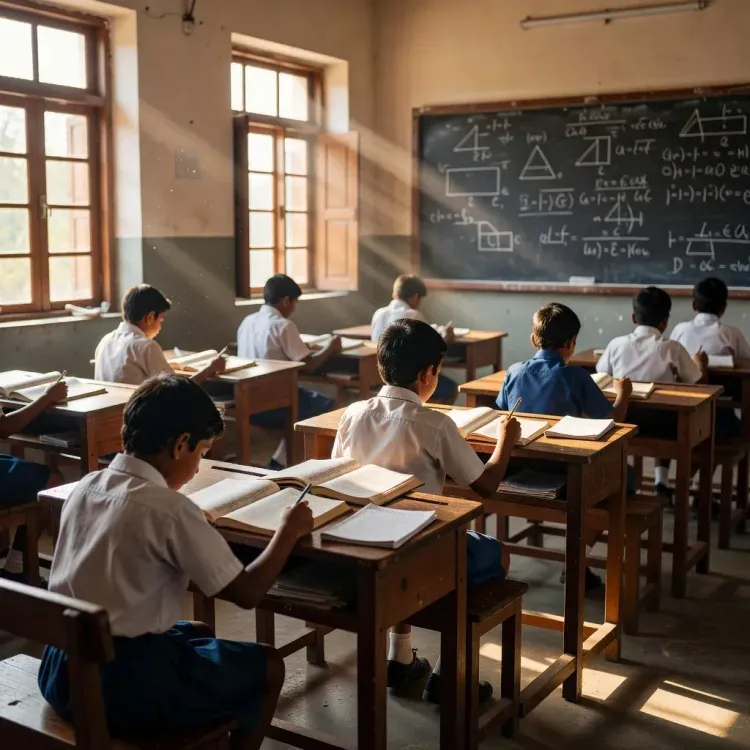
Prayas Residential Schools provide free coaching and schooling for NEET and JEE to students from economically weaker and tribal backgrounds in Chhattisgarh .
The scheme has been operational since the 2010s , targeting the gap between rural potential and competitive-exam access.
CM Sai framed the students' success within the national Viksit Bharat vision, emphasising youth as India's greatest strength.
The government's stated commitment is that no talented student in Chhattisgarh should be denied opportunity due to lack of resources.
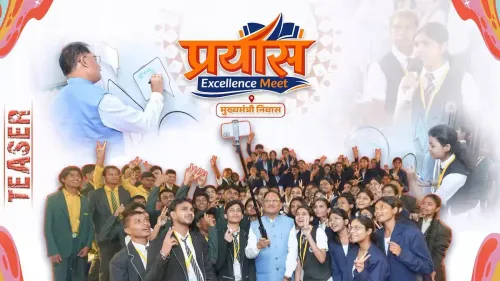
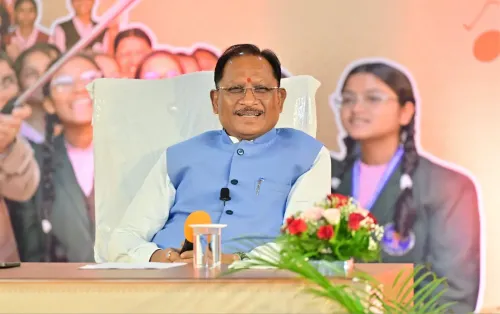
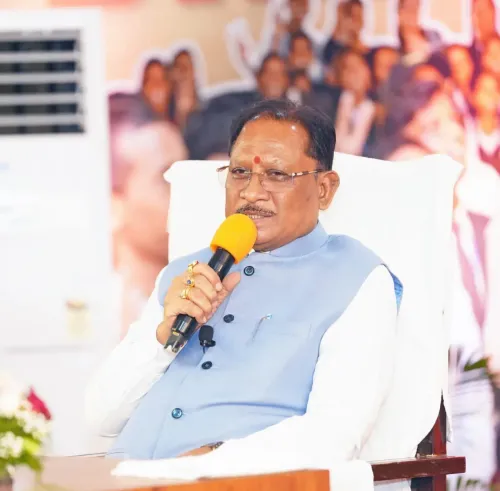
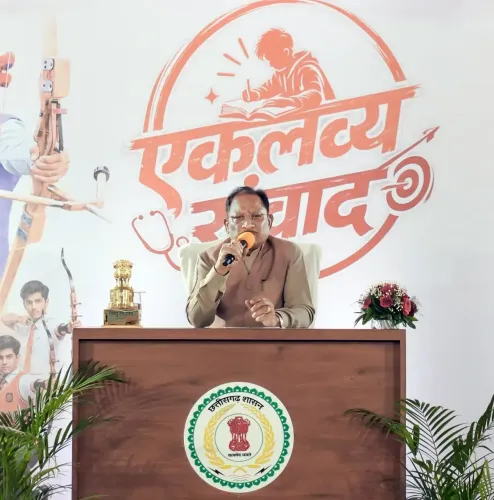
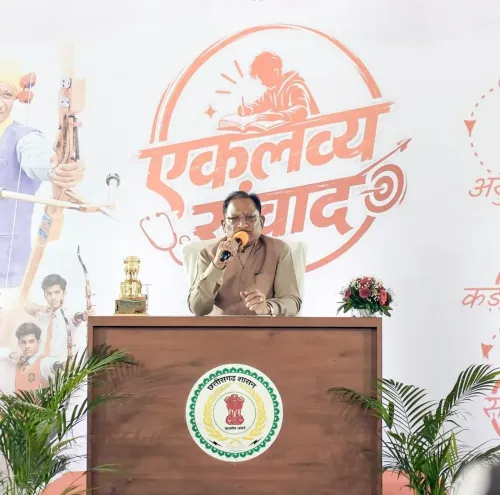
When students from a government residential school in one of India's most resource-scarce states crack a national medical entrance exam, it is not just a personal triumph — it is a policy proof-of-concept. Chhattisgarh Chief Minister Vishnu Deo Sai on Monday, August 3, 2026, publicly celebrated the success of students from Prayas Residential Schools in NEET-2026, calling their achievement evidence that Chhattisgarh's youth can shape the nation's future when given the right opportunity.
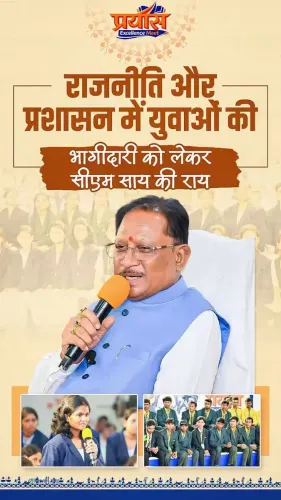
Posting in Hindi on X, CM Sai wrote: 'युवा ही विकसित भारत की सबसे बड़ी शक्ति हैं' — 'Youth are the greatest strength of a developed India.' He credited the students' hard work, discipline, and success as proof that young people from Chhattisgarh, when given access to opportunity, possess the capacity to build the country's future. The Chief Minister underlined his government's core commitment: no talented young person in the state should be denied opportunity merely for lack of resources.
What Prayas Schools actually do
Prayas Residential Schools are a Chhattisgarh government initiative that provides free residential schooling and competitive-exam coaching — for NEET and JEE — to meritorious students from economically weaker and tribal backgrounds. The scheme has roots going back to the 2010s, when successive state governments recognised that geography and poverty were quietly disqualifying an entire generation of capable students from medical and engineering seats.
The model is straightforward but consequential: remove the cost barrier, provide structured coaching under one roof, and let merit do the rest. Chhattisgarh, a state with a significant tribal population spread across forested districts, has long faced the challenge of bridging the gap between rural potential and urban opportunity. Prayas is one of the state's primary instruments for doing exactly that.
Viksit Bharat's ground-level translation
CM Sai's post connects the school-level success explicitly to the national Viksit Bharat — 'Developed India' — vision, a framework that places youth skilling and competitive access at its centre. For a BJP-governed state, linking a state scheme's outcomes to a national political vision is deliberate: it positions Chhattisgarh's education push as part of a larger, coherent programme rather than an isolated welfare measure.
The broader pattern matters here. NEET remains the single gateway to government medical colleges across India. A student who clears it from a Prayas school in, say, Bastar or Surguja, is not just winning a seat — she is breaking a cycle. That is the human stakes behind a Chief Minister's congratulatory post.
The next test for the Prayas model will be whether the state expands the number of centres and sustains funding through subsequent NEET cycles — turning one good result into a durable pipeline of doctors from districts that currently have too few of them.
Point of View
The Prayas model is substantive policy, not just optics. The real measure will be whether success in a single NEET cycle translates into expanded infrastructure and consistent funding, or remains a headline moment. Sustained results, not one good year, are what close India's medical-access gap.
NationPress
17 Sept 2026
Frequently Asked Questions
What is Prayas Residential School in Chhattisgarh?
Prayas Residential School is a Chhattisgarh government scheme that provides free residential schooling and coaching for competitive exams like NEET and JEE to meritorious students from economically weaker and tribal backgrounds.
What did CM Vishnu Deo Sai say about NEET-2026?
CM Vishnu Deo Sai congratulated Prayas Residential School students who succeeded in NEET-2026 , calling their achievement proof that Chhattisgarh's youth can build the nation's future when given opportunity, and reaffirmed that no talented student will be denied access due to lack of resources.
How long has Chhattisgarh been running residential coaching for NEET?
Chhattisgarh has been running residential coaching schemes for NEET and JEE targeting tribal and rural students since the 2010s .
What is Viksit Bharat and how does it relate to Chhattisgarh's education scheme?
' Viksit Bharat ' — Developed India — is a national vision that emphasises youth skilling and access to competitive exams. CM Sai linked Prayas school successes to this framework, positioning state education outcomes as part of a broader national development agenda.
Who benefits from Prayas Residential Schools in Chhattisgarh?
Meritorious students from economically weaker sections and tribal communities across Chhattisgarh benefit from Prayas schools, which aim to remove financial and geographic barriers to medical and engineering entrance exams.