CM Sai Celebrates Hareli Tihar at CM Residence in Nava Raipur
Synopsis
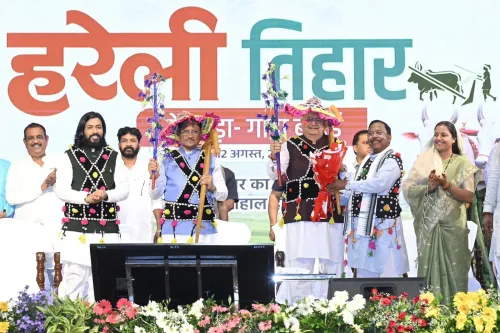
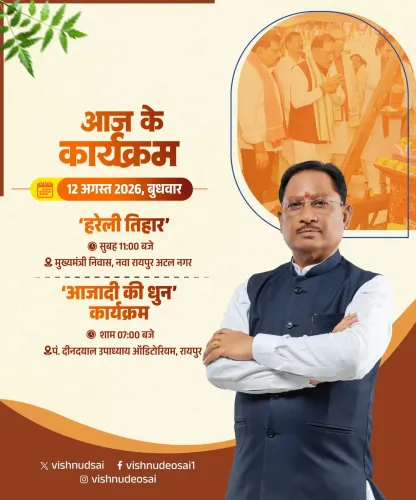
Chief Minister Vishnu Dev Sai celebrated Hareli Tihar at the CM residence in Nava Raipur on 12 August 2026, arriving by pink auto in traditional dress. Folk songs, mandar drumbeats, gedi-billas games, and Chhattisgarhi cuisine transformed the official venue into a village fair, as the CM conveyed gratitude to the land, livestock, and farming traditions of the state.
Key Takeaways
CM Vishnu Dev Sai celebrated Hareli Tihar at the Chief Minister's residence in Nava Raipur on 12 August 2026 .
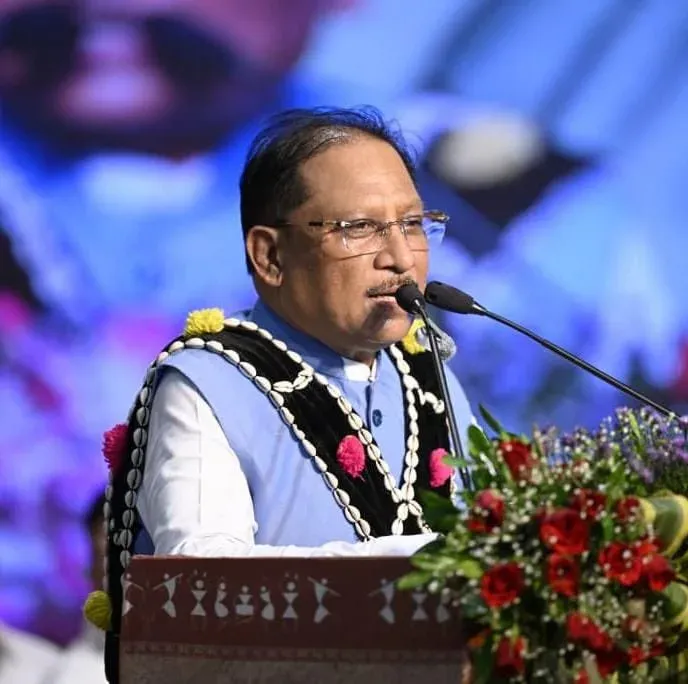
He arrived at the venue by pink auto-rickshaw dressed in traditional Chhattisgarhi attire.
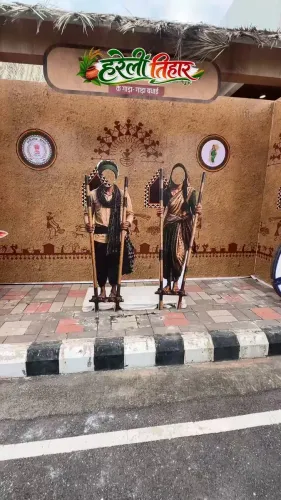
The event featured folk songs, mandar drumbeats, traditional games ( gedi and billas ), and Chhattisgarhi cuisine.
CM Sai described Hareli as 'a celebration of the intimate bond between Chhattisgarh's agricultural culture, nature, and rural life.' The observance aligns with the BJP government's broader cultural outreach under slogans Sushasan Sarkar and Viksit Chhattisgarh .
Hareli is Chhattisgarh's first major festival of the year, traditionally marking worship of farm tools, livestock, and the earth.
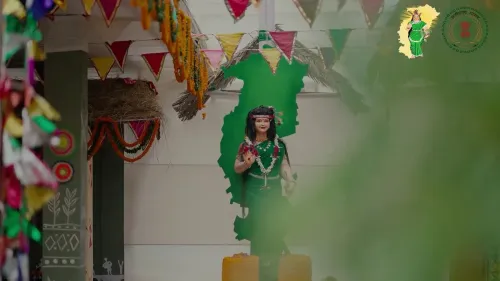
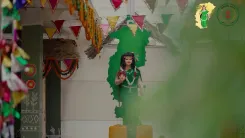
A pink auto-rickshaw pulled up to the Chief Minister's residence in Nava Raipur on Wednesday, 12 August 2026 — and out stepped Chief Minister Vishnu Dev Sai, dressed in traditional Chhattisgarhi attire, ready to turn an official bungalow into a village square. The Chief Minister's Office of Chhattisgarh marked Hareli Tihar, the state's oldest agrarian festival, with folk songs, the beat of the mandar drum, traditional games like gedi and billas, and the aroma of Chhattisgarhi cuisine filling the air.
When the CM's Residence Became a Village Chaupal
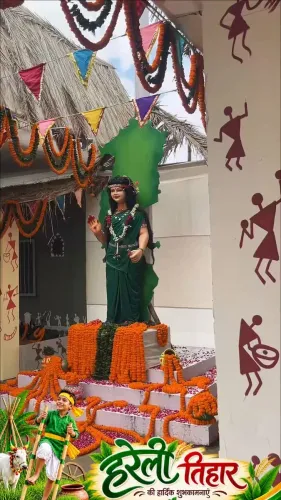
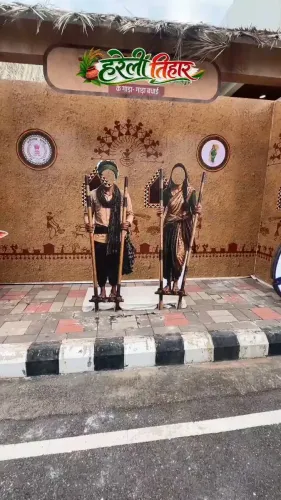
The venue shed its official formality entirely. Folk dancers performed, the mandar kept rhythm, and guests played gedi — the traditional stilt game — on the lawns. Chhattisgarhi delicacies were served, completing a tableau that, by any measure, looked less like a government event and more like a rural lokamela — a people's fair.
CM Sai's choice of transport was deliberate and pointed: the pink auto-rickshaw, a symbol of women-led public mobility in the state, arriving at an agrarian festival, folded two distinct cultural signals into one entrance.
What Hareli Tihar Means — and Why the State Celebrates It Officially
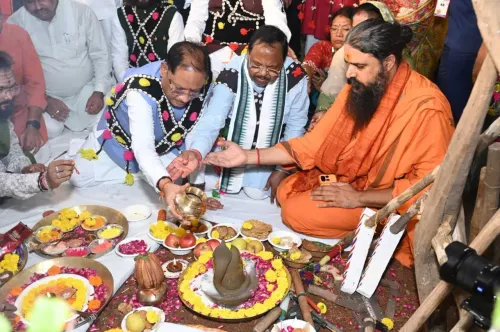
Hareli is the first major festival of the Chhattisgarhi calendar, observed at the onset of the sawan month, when the monsoon has taken hold and fields are green. Farmers traditionally worship their agricultural tools, livestock, and the earth itself — a ritual expression of gratitude that predates modern governance by centuries. The festival is especially significant in a state where a large share of the population depends on rain-fed agriculture and where tribal communities hold nature-worship as a living practice.
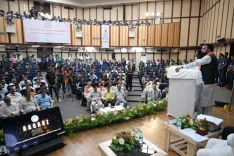
Addressing residents, CM Sai called Hareli 'a celebration of the intimate bond between Chhattisgarh's agricultural culture, nature, and rural life,' adding that the festival 'teaches us gratitude towards our land, livestock, farm tools, and nature.' The sentiment is not merely ceremonial — it maps directly onto a political constituency: the state's farmers and rural communities, who form the backbone of the BJP government's support base in Chhattisgarh.
BJP's Cultural Outreach Through Official Festival Observances
Since CM Sai took office in December 2023, the Chhattisgarh government has leaned into regional cultural identity as a governance signal — hosting tribal and agrarian festivals at official venues under the twin banners of Sushasan Sarkar (good governance) and Viksit Chhattisgarh (developed Chhattisgarh). The Hareli observance at the CM residence fits that pattern: it is simultaneously a cultural tribute and a visible reminder of the administration's claimed rural connect.
State governments across India have long used harvest and agrarian festivals to reinforce regional identity. In Chhattisgarh, with its significant tribal population and deep agrarian roots, Hareli carries particular resonance — making its official celebration at the highest executive address a statement that travels well beyond the guest list.
A Chief Minister who arrives by pink auto in traditional dress, on a day when the capital briefly becomes a chaupal — that is a political image crafted with care. Whether the cultural warmth translates into concrete agricultural policy will be the question the state's farming communities carry long after the mandar falls silent.
Point of View
In power since December 2023, has consistently used regional festival platforms to reinforce its 'double engine' governance narrative and distinguish itself from the previous Congress administration. Arriving by pink auto in traditional dress is not incidental optics; it is a deliberate fusion of women-welfare symbolism and agrarian identity. The durability of this approach will depend on whether cultural visibility is matched by measurable outcomes for the farming communities the festival is meant to honour.
NationPress
12 Aug 2026
Frequently Asked Questions
What is Hareli Tihar and why is it celebrated in Chhattisgarh?
Hareli Tihar is Chhattisgarh's first major festival of the year, observed at the onset of the sawan month when monsoon rains green the fields. Farmers worship their agricultural tools, livestock, and the earth as an act of gratitude — a tradition rooted in the state's deep agrarian and tribal culture.
Where was Hareli Tihar 2026 celebrated officially in Chhattisgarh?
The official state celebration was held at the Chief Minister's residence in Nava Raipur, the planned capital city of Chhattisgarh, on 12 August 2026.
Why did CM Vishnu Dev Sai arrive by pink auto for Hareli Tihar?
CM Sai arrived by a pink auto-rickshaw — a symbol of women-led public transport in the state — dressed in traditional Chhattisgarhi attire, combining a gesture of cultural identity with a nod to women's mobility initiatives.
What traditional games and activities were held at Hareli Tihar at the CM residence?
The event featured folk songs, mandar drumbeats, traditional games including gedi (stilt walking) and billas, and Chhattisgarhi cuisine, transforming the official venue into a village-style fair.
What did CM Vishnu Dev Sai say about Hareli Tihar?
CM Sai called Hareli 'a celebration of the intimate bond between Chhattisgarh's agricultural culture, nature, and rural life,' saying the festival teaches gratitude towards the land, livestock, farm tools, and nature.