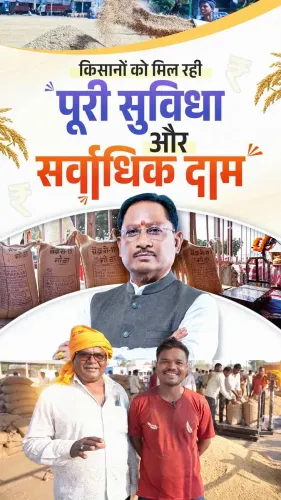
CM Sai: Chhattisgarh paying farmers highest paddy price
Synopsis
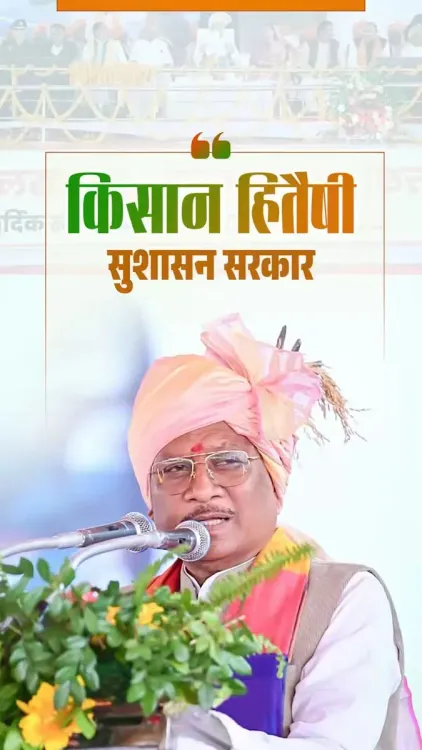
From Raghunathnagar in Balrampur-Ramanujganj, Chhattisgarh's CMO amplified CM Vishnu Deo Sai's claim that the state is buying paddy at ₹3,100 per quintal, up to 21 quintals an acre, which he called the highest rate in India, at a local development event tied to Dhan Kharidi 2026.
Key Takeaways
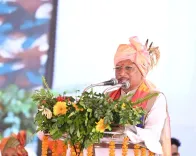
On 27 November 2026, the Chief Minister's Office of Chhattisgarh carried CM Vishnu Deo Sai's remarks from High School Ground, Raghunathnagar, Balrampur-Ramanujganj.
Sai said Chhattisgarh is the rice bowl of India and that his government is doing more for farmers than any other state.
He said paddy is being bought at ₹3,100 per quintal up to 21 quintals per acre, which he called the highest price in the country.
The remarks were tagged to Dhan Kharidi 2026 at an inauguration and foundation-stone programme.
Chhattisgarh has long procured paddy above the central MSP; the previous Congress government ran Rajiv Gandhi Kisan Nyay Yojana from 2018 to 2023.
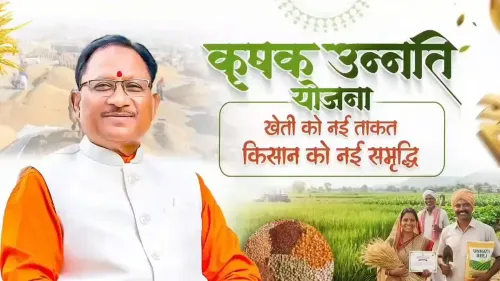
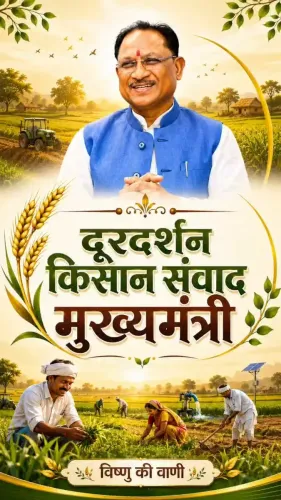
The Chief Minister's Office of Chhattisgarh on Friday put a hard number on the state's rice-bowl boast: Chief Minister Vishnu Deo Sai, speaking at High School Ground in Raghunathnagar, Balrampur-Ramanujganj, said farmers are being paid the highest paddy price in India. He put the rate at ₹3,100 a quintal, up to 21 quintals an acre, at a local inauguration and bhoomi pujan programme.
The official account quoted Sai in full political pitch. Chhattisgarh dhan ka katora hai (Chhattisgarh is the bowl of paddy), he said, and claimed he could assert with certainty that no other state is matching the work his government is doing for farmers. Paddy, he added, is being bought up to a ceiling of 21 quintals per acre at ₹3,100 per quintal.
Sai's ₹3,100 pitch from Raghunathnagar
Those two figures were the payload. The post framed the remarks as part of Dhan Kharidi 2026, tying a district-stage speech to the coming procurement season rather than a one-day ceremonial line. Sai has been Chief Minister since December 2023.
The event was listed as the inauguration and foundation-stone laying of various development works at the high-school ground in Raghunathnagar. The office did not spell out which projects were opened. What it chose to broadcast statewide was the farmer-price claim.
The rice-bowl procurement race Chhattisgarh never left
Chhattisgarh's identity as a major paddy producer is old. So is the habit of buying grain above the Centre's minimum support price. Governments of both colours have used high procurement as a rural safety net and as a message to a large farming base.
Between 2018 and 2023, the previous Congress government under Bhupesh Baghel ran the Rajiv Gandhi Kisan Nyay Yojana, pairing direct income support with aggressive paddy purchase. Sai's administration is now staking the same ground: that the cheque at the mandi is the highest in India, and that the work for cultivators is unmatched.
Rice-growing states periodically lift purchase prices above the central MSP to protect rural incomes and to lock in political ground. Those bids have a fiscal cost. Payment speed, how much grain is actually lifted, and what the 2026 season is budgeted for will test the Raghunathnagar boast in the field.
For a state that still turns on the paddy harvest, the rate on the procurement slip is never just agriculture. It is the argument Sai is taking into the countryside.
Point of View
He is trying to own the rice-bowl identity that the previous Congress regime also built around high purchase and income support. The pattern is familiar across rice states — outbid the Centre, outbid the rival, then hope the treasury can keep pace. What matters next is not the slogan from Raghunathnagar but whether 2026 procurement actually lifts grain at that rate, on time, within the acreage cap.
NationPress
27 Nov 2026
Frequently Asked Questions
What paddy procurement rate did CM Vishnu Deo Sai cite in Chhattisgarh?
He cited a rate of ₹3,100 per quintal, with purchase limited to 21 quintals per acre, calling it the highest in the country. Those figures were stated in a 27 November 2026 post by the Chief Minister's Office of Chhattisgarh from an event in Balrampur-Ramanujganj.
What is Dhan Kharidi 2026 in Chhattisgarh?
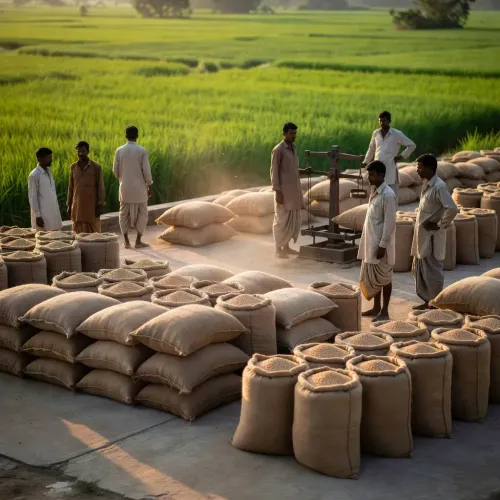
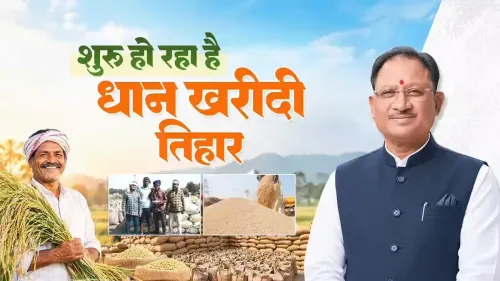
Dhan Kharidi is Chhattisgarh's annual state paddy procurement drive that pays farmers a support price. The 2026 tag on the official post links Sai's rate claim to the coming purchase season.
Where did Vishnu Deo Sai make the paddy price remarks?
At High School Ground, Raghunathnagar, in Balrampur-Ramanujganj district, during a programme for the inauguration and foundation-stone laying of various development works.
How has Chhattisgarh supported paddy farmers in recent years?
The state has long procured paddy above the central MSP. From 2018 to 2023 the previous Congress government under Bhupesh Baghel ran the Rajiv Gandhi Kisan Nyay Yojana. Sai, Chief Minister since December 2023, is now pitching high-price procurement as unmatched.
Who is Vishnu Deo Sai?
He is a BJP leader and has been Chief Minister of Chhattisgarh since December 2023.