CM Sai expands tribal education reach in Chhattisgarh
Synopsis
On Janjatiya Gaurav Diwas, Chhattisgarh CM Vishnu Deo Sai announced the Delhi Tribal Youth Hostel's expansion from 50 to 200 seats and highlighted 75 Eklavya Model Residential Schools operating in the state to advance tribal education.
Key Takeaways
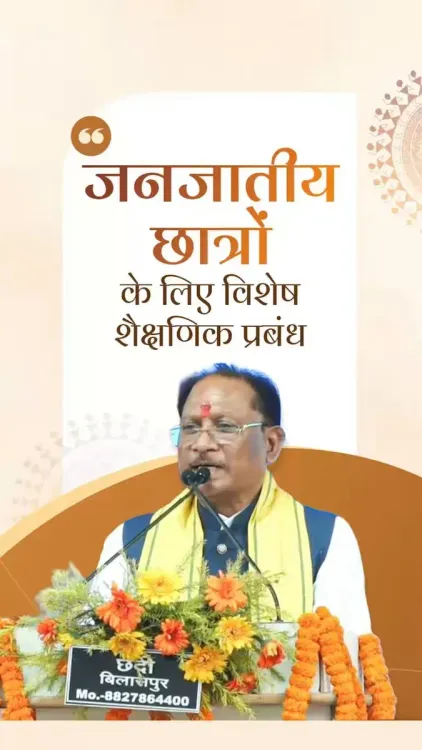
CM Vishnu Deo Sai made the announcement at Lal Bahadur Shastri SEJES School, Bilaspur on Janjatiya Gaurav Diwas, 16 November 2026 .
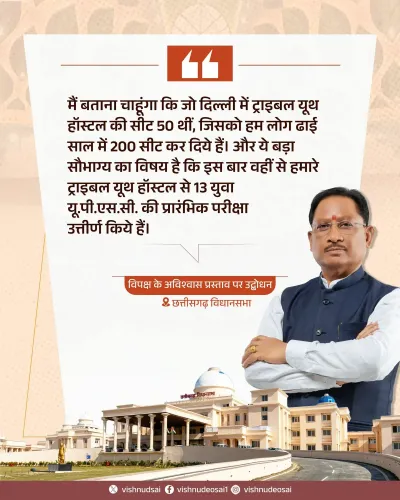
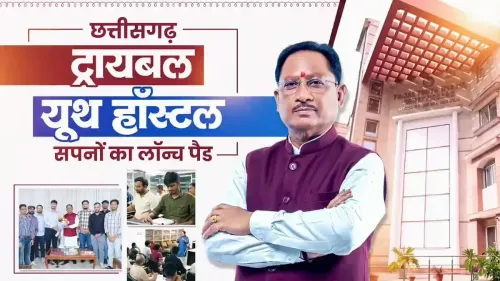
The Tribal Youth Hostel in Delhi has been expanded from 50 seats to 200 seats to support tribal students preparing for competitive exams.
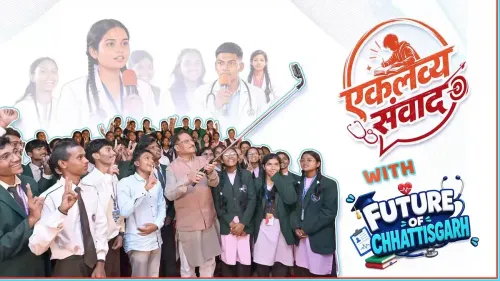
Chhattisgarh currently operates 75 Eklavya Model Residential Schools for Scheduled Tribe students.
Institutions like Prayas are cited as additional vehicles for creating advancement opportunities in tribal-majority regions.
The Eklavya Model Residential Schools scheme was launched in 1997-98 by the Ministry of Tribal Affairs.
Janjatiya Gaurav Diwas was instituted in 2021 to mark Birsa Munda's birth anniversary on 15 November .
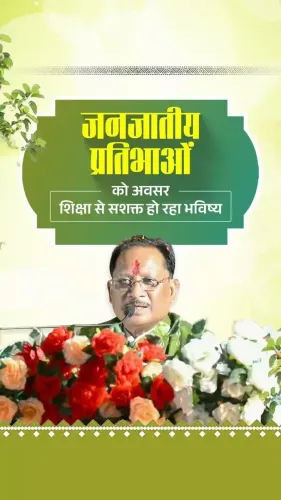
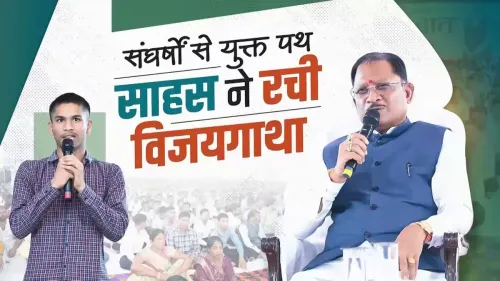
Tribal students in Chhattisgarh are getting a bigger runway to the top — and Chief Minister Vishnu Deo Sai used the stage of Janjatiya Gaurav Diwas on 16 November 2026 to spell out exactly how far the state intends to take them.
Speaking at the Lal Bahadur Shastri SEJES School in Bilaspur, CM Sai announced that the Tribal Youth Hostel in Delhi — a critical launchpad for tribal aspirants eyeing national competitive examinations — has had its capacity quadrupled, from 50 seats to 200 seats. The message was direct: the state will not let geography or economics be the ceiling for a tribal student's ambition.
75 Eklavya schools and the Prayas network
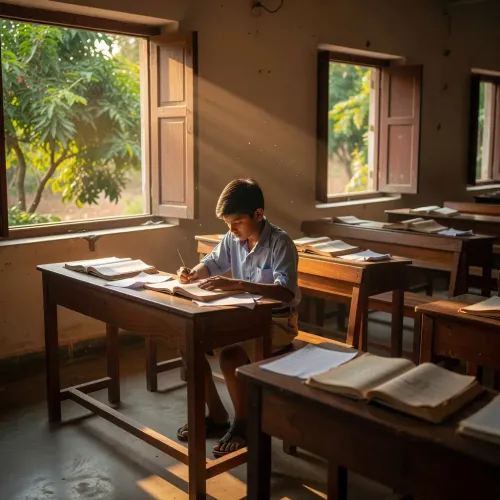
Chhattisgarh currently operates 75 Eklavya Model Residential Schools (EMRS), part of a Ministry of Tribal Affairs scheme that dates to 1997-98 and was designed to bring quality residential schooling to Scheduled Tribe children in remote areas. For a state where tribal communities make up a substantial share of the population, that network is not a footnote — it is a spine.
Alongside the EMRS network, institutions like Prayas are cited by the Chief Minister's Office as vehicles for creating better advancement opportunities in tribal-majority regions. Together, these layers form a pipeline: residential schooling in the state, followed by targeted hostel support in the national capital for those chasing UPSC or state civil services berths.
Delhi hostel expansion: what 150 extra seats mean
The jump from 50 to 200 seats at the Delhi hostel is not incremental — it is a structural shift. Competitive examination preparation in the capital demands proximity to coaching clusters, libraries, and peer networks that simply do not exist in the same density back home. Every additional seat is a student who does not have to choose between a shot at the civil services and the cost of living in one of India's most expensive cities.
CM Sai framed the expansion in the language of equity: sons and daughters of tribal society ('janjatiya samaj ke bete-betiyan') must have a 'better chance to prepare for major competitive examinations.' The phrasing is deliberate — this is about closing a preparation gap, not just an enrolment gap.
Janjatiya Gaurav Diwas as a policy platform
Janjatiya Gaurav Diwas, observed on 15 November every year to mark the birth anniversary of tribal icon Birsa Munda, was instituted nationally in 2021. It has since become a moment when both central and state governments table tangible announcements for tribal welfare — giving the commemorative day a policy weight that goes beyond ceremony. The Bilaspur event follows that pattern precisely.
The watch item now is outcomes: how many students the expanded Delhi hostel actually places into civil services and other high-stakes roles over the next exam cycle will be the clearest measure of whether the quadrupled capacity translates into quadrupled opportunity.
Point of View
Low-infrastructure move that targets the aspiration economy among tribal youth, particularly the civil services pipeline. For Chhattisgarh, where tribal welfare is both a constitutional obligation and a significant electoral consideration, stacking a residential school network with a capital-city examination hostel creates a vertically integrated support system that rivals what urban students take for granted. The real test, however, lies in utilisation data and eventual exam outcomes — numbers the state has an incentive to publicise loudly if they are strong.
NationPress
16 Nov 2026
Frequently Asked Questions
What is the Tribal Youth Hostel in Delhi for Chhattisgarh students?
The Tribal Youth Hostel in Delhi is a residential facility for tribal students from Chhattisgarh and similar states to stay in the national capital while preparing for competitive examinations such as UPSC and state civil services. Its capacity has been expanded from 50 to 200 seats.
How many Eklavya Model Residential Schools are there in Chhattisgarh?
According to CM Vishnu Deo Sai's statement on Janjatiya Gaurav Diwas 2026, there are 75 Eklavya Model Residential Schools currently operational in Chhattisgarh.
What is Janjatiya Gaurav Diwas and when is it observed?
Janjatiya Gaurav Diwas is an annual observance on 15 November marking the birth anniversary of tribal icon Birsa Munda. It was instituted nationally in 2021 to celebrate tribal culture, rights, and development programmes.
What are Eklavya Model Residential Schools?
Eklavya Model Residential Schools (EMRS) are a central government scheme under the Ministry of Tribal Affairs, launched in 1997-98, to provide quality residential education to Scheduled Tribe children in remote areas of India.
What is Prayas in the context of tribal education in Chhattisgarh?
Prayas refers to institutions cited by the Chhattisgarh government as platforms providing better advancement opportunities for students in tribal-majority regions, working alongside the Eklavya school network.