CM Sai Flags Off Free Mobile Tech Lab for Rural CG Students
Synopsis
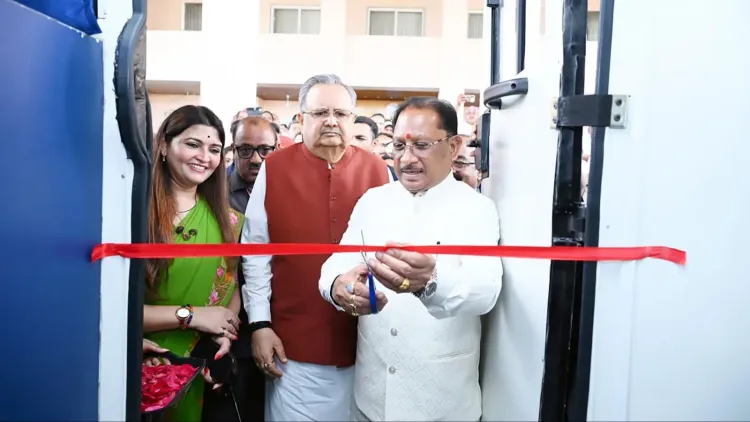
Chhattisgarh CM Vishnu Deo Sai and Speaker Dr. Raman Singh flagged off a free mobile emerging technology lab on 15 July 2026, under Pandaria MLA Bhawna Bohra's 'Bhawna Didi ki Science Pathshala', aiming to bring AI, robotics, drones, and 3D printing education to rural students across the state.
Key Takeaways
CM Vishnu Deo Sai flagged off the mobile lab from the Chhattisgarh Legislative Assembly premises on 15 July 2026 .
The lab operates under 'Bhawna Didi ki Science Pathshala' , an initiative by Pandaria MLA Smt.
The programme is free of charge and targets students in rural areas of Chhattisgarh.
The lab covers emerging technologies including AI, robotics, drones, and 3D printing .
Assembly Speaker Dr.
Raman Singh and state cabinet members were present at the launch, signalling broad institutional support.
The initiative aligns with National Education Policy 2020 mandates on integrating technology and vocational skills into school education.
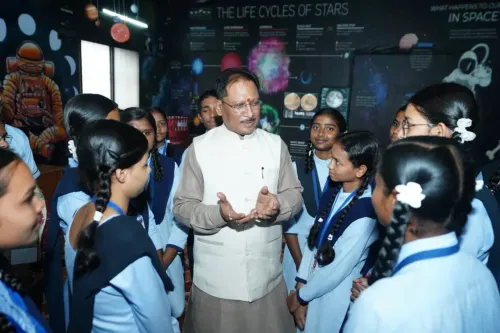
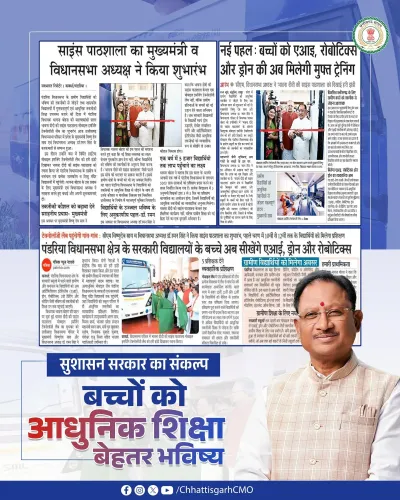
Chhattisgarh Chief Minister Vishnu Deo Sai on Wednesday, 15 July 2026, flagged off a free mobile emerging technology laboratory from the Chhattisgarh Legislative Assembly premises, launching the initiative alongside Assembly Speaker Dr. Raman Singh and members of the state cabinet. The lab is the first unit under 'Bhawna Didi ki Science Pathshala' ('Bhawna Didi's Science School'), a programme conceived by Pandaria MLA Smt. Bhawna Bohra to bring cutting-edge technology education to rural students at no cost.
Context
Posting on X, Chief Minister Sai described the initiative as a landmark step toward equipping the next generation with knowledge, innovation, and confidence. He wrote that the effort aims to connect students in rural areas with future technologies such as AI, robotics, drones, and 3D printing, and expressed confidence that it would develop a scientific temperament, technical skills, and an innovative spirit among students, making them capable of meeting future challenges and opportunities.
The mobile lab was flagged off from the Legislative Assembly complex, lending the launch an institutional character that signals broad political support across the executive and legislative branches of the state government.
Policy Backdrop
The initiative aligns closely with the National Education Policy (NEP) 2020, which mandates the integration of AI, coding, robotics, and 3D printing into school curricula across India. Mobile STEM labs and innovation vans have been deployed by several Indian states since the mid-2010s to extend digital and technology exposure beyond urban centres, and this programme continues that broader national pattern.
BJP-led state governments have prioritised such skilling drives under the umbrella of Digital India and Atmanirbhar Bharat, framing constituency-level pilots as building blocks for an AI-ready rural workforce. The Chhattisgarh effort is notable for being driven at the MLA level — a grassroots legislative model for tech outreach.
Stakeholders and Impact
The primary beneficiaries are school students in rural and semi-urban pockets of Chhattisgarh, who have historically had limited access to technology infrastructure available in state capitals and tier-1 cities. By making the lab mobile and free, the programme removes two of the most common barriers to STEM exposure — geography and cost.
Pandaria MLA Bhawna Bohra, the architect of the initiative, has positioned it as a constituency-level pilot with potential for broader replication. The presence of Speaker Dr. Raman Singh — a former Chief Minister with deep grassroots credibility — at the flag-off adds legislative weight and signals cross-institutional endorsement of the programme.
What's Next
The rollout of additional mobile labs to other Chhattisgarh constituencies will be a key indicator of whether the programme scales beyond its pilot phase. Observers will also watch for potential linkages with central skill-development schemes or formal integration of the lab's curriculum with the state's school education framework under NEP 2020 guidelines.
If the Pandaria model demonstrates measurable outcomes in student participation and skill acquisition, it could serve as a template for similar MLA-driven technology outreach initiatives across other BJP-governed states, reinforcing the party's pre-election narrative on rural digital empowerment.
Point of View
The Chhattisgarh administration is threading its state narrative into the larger national Digital India and Atmanirbhar Bharat framework ahead of any electoral cycle. The MLA-driven model is politically significant: it gives individual legislators a visible, tangible deliverable while keeping the chief minister's office in the frame as the approving authority. Whether the programme delivers sustained learning outcomes or remains a high-visibility pilot will determine its long-term policy legacy.
NationPress
14 Oct 2026
Frequently Asked Questions
What is Bhawna Didi ki Science Pathshala?
'Bhawna Didi ki Science Pathshala' is a free mobile technology education initiative launched by Pandaria MLA Smt. Bhawna Bohra in Chhattisgarh, designed to bring emerging technologies such as AI, robotics, drones, and 3D printing to rural students through a travelling lab.
Who flagged off the mobile science lab in Chhattisgarh?
Chhattisgarh Chief Minister Vishnu Deo Sai flagged off the mobile lab on 15 July 2026, from the Legislative Assembly premises, along with Speaker Dr. Raman Singh and state cabinet members.
What technologies will the Chhattisgarh mobile lab teach students?
The mobile lab will expose rural students to AI (Artificial Intelligence), robotics, drones, and 3D printing — technologies identified as critical skills under the National Education Policy 2020.
Who is Bhawna Bohra?
Bhawna Bohra is the BJP MLA from the Pandaria constituency in Chhattisgarh and the founder of the 'Bhawna Didi ki Science Pathshala' programme aimed at bridging the technology education gap in rural areas.
Is the Chhattisgarh mobile technology lab free for students?
Yes, the mobile emerging technology lab under 'Bhawna Didi ki Science Pathshala' is completely free of charge, specifically designed to remove cost and geography as barriers for rural students in Chhattisgarh.