CM Sai visits Bijapur, pledges education for Bastar's children
Synopsis
Chhattisgarh CM Vishnu Deo Sai visited Kondapalli in Bijapur during Sushasan Tihar 2026, meeting schoolchildren and reaffirming the state's commitment to education access across the historically underserved Bastar region.
Key Takeaways
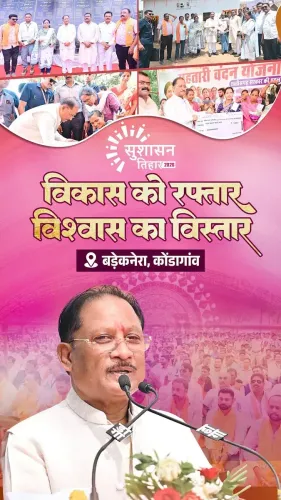
CM Vishnu Deo Sai visited Kondapalli, Bijapur on 2 June 2026 as part of the Sushasan Tihar 2026 governance festival.
The Chief Minister observed that children in Bastar now aspire to become doctors, engineers, IAS and IPS officers — a shift he described as 'extremely heartening.' Bijapur is among the most remote districts in the Bastar division, historically affected by left-wing extremism and poor school infrastructure.
Eklavya Model Residential Schools have been expanded in tribal blocks of Bastar since 2014 with central government support.
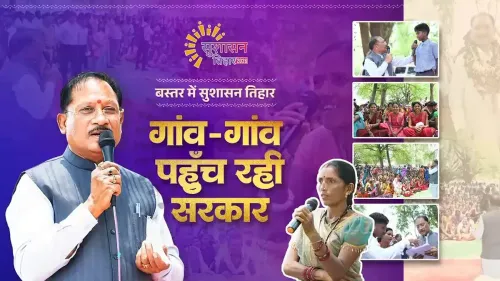
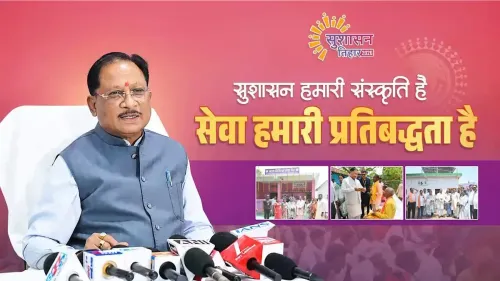
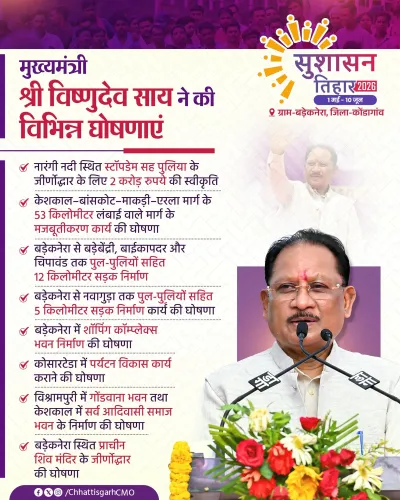
The state government's Sushasan Tihar festival combines public grievance redressal, scheme reviews, and field visits to remote areas across Chhattisgarh.
CM Sai pledged that the resolve to ensure education and opportunity reaches every child 'will continue unabated.'
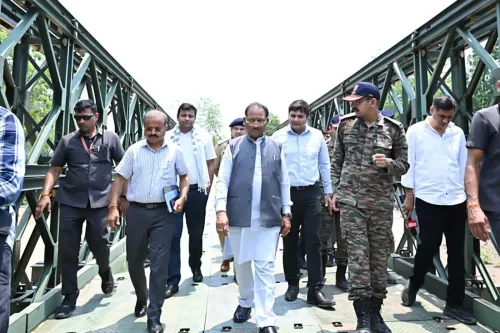
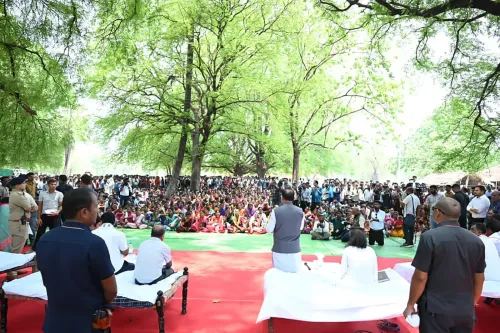
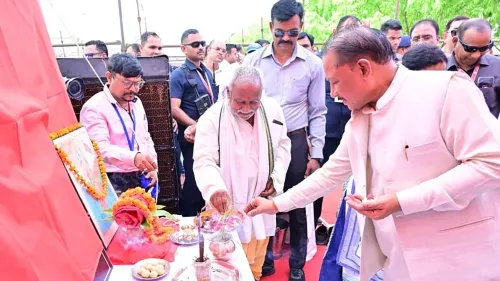
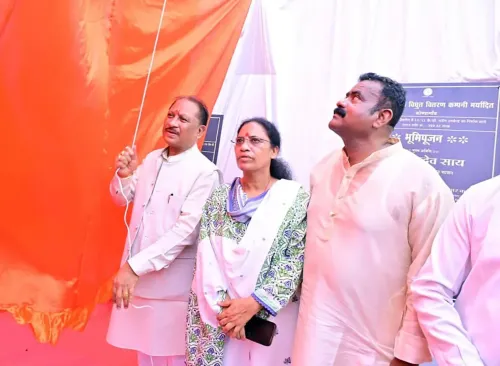
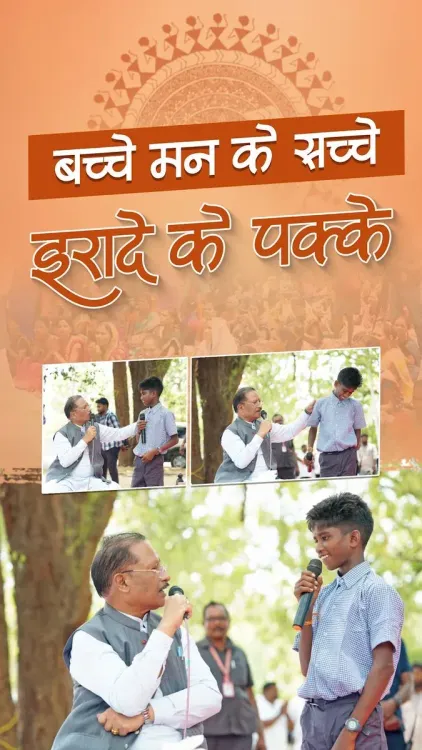
Chhattisgarh Chief Minister Vishnu Deo Sai on Tuesday, 2 June 2026, visited Kondapalli in Bijapur district during the ongoing Sushasan Tihar 2026 governance festival, where he met schoolchildren and reaffirmed the state government's commitment to expanding educational access across the Bastar region.
Posting on X, the Chief Minister wrote: 'बच्चे मन के सच्चे, इरादों के पक्के' ['Children are pure of heart and firm of purpose'], adding that the sons and daughters of the state are the symbols of 'innocent love' and its 'bright future.' He noted that there was a time when the lack of schooling in Bastar stood in the way of children's dreams, but today children there aspire to become doctors, engineers, IAS and IPS officers — a transformation he called 'extremely heartening and satisfying.'
Context
Bijapur is one of the most remote districts in the Bastar division of southern Chhattisgarh, historically characterised by difficult terrain, limited road connectivity, and the sustained impact of left-wing extremism on public service delivery. School infrastructure in the district lagged significantly behind the state average for decades, with many villages lacking functional primary schools within accessible distance.
CM Sai's visit to Kondapalli is part of the state-wide Sushasan Tihar — literally 'Good Governance Festival' — an annual exercise by the Chhattisgarh government that combines scheme reviews, public grievance redressal, and field visits by senior officials and elected representatives to remote areas.
Policy Backdrop
The push to expand education in Bastar's tribal blocks has a layered policy history. Eklavya Model Residential Schools, funded with central assistance, were expanded in tribal blocks of the Bastar division from 2014 onward, providing residential schooling to Scheduled Tribe students who would otherwise have had no access to secondary education. Scholarship and residential schooling schemes for Naxal-affected districts were also introduced under earlier state administrations.
Central assistance for school infrastructure in Left Wing Extremism (LWE) districts was scaled up after a 2014 revision of security-related development schemes, pairing counter-insurgency efforts with human development investment. The current government has continued this trajectory, framing education outcomes in the Bastar region as a marker of governance progress.
Stakeholders and Impact
The primary beneficiaries of improved schooling in the region are tribal students from Scheduled Tribe communities in Bijapur and neighbouring blocks — children who, a generation ago, had little realistic prospect of professional careers. The Chief Minister's emphasis on civil-service aspirations — IAS and IPS — signals an intent to integrate these communities into mainstream institutional pathways.
For the BJP-led state government, demonstrating measurable human development gains in former insurgency zones carries both governance and political significance, reinforcing a narrative of normalisation and development in a region long associated with conflict.
What's Next
The Sushasan Tihar 2026 festival is expected to continue across other districts, with senior officials conducting similar outreach programmes. District-level performance in state board examinations and selections to central services from Bijapur and neighbouring blocks in the coming academic years will serve as a practical measure of whether the aspirations voiced on the ground translate into outcomes. CM Sai's pledge — 'our resolve to ensure education and opportunity reaches every child will continue unabated' — sets a benchmark against which future policy delivery in the Bastar region will be assessed.
Point of View
The Chief Minister links education delivery to the broader political narrative of Bastar's 'normalisation' — a message with resonance well beyond the district. The Sushasan Tihar format, pairing grievance redressal with imagery of hopeful youth, is designed to generate ground-level political capital while creating accountability benchmarks the government will need to meet. Whether the aspiration translates into measurable outcomes — exam results, selections, enrolment rates — will determine the durability of this narrative over the next electoral cycle.
NationPress
17 Oct 2026
Frequently Asked Questions
What is Sushasan Tihar in Chhattisgarh?
Sushasan Tihar, meaning 'Good Governance Festival,' is an annual state-level initiative by the Chhattisgarh government during which senior officials and elected representatives visit remote districts for scheme reviews, public grievance redressal, and community interaction.
Why is education in Bijapur and Bastar significant?
Bijapur and the wider Bastar division have historically had very limited school infrastructure due to difficult terrain and left-wing extremism, meaning generations of tribal children had little access to quality education or professional pathways.
What are Eklavya Model Residential Schools?
Eklavya Model Residential Schools are centrally assisted residential schools set up in tribal blocks across India, including in Bastar, to provide quality secondary education to Scheduled Tribe students who lack access to schools near their villages.
What did CM Vishnu Deo Sai say about children in Bastar?
CM Sai said that children in Bastar, once held back by a lack of schooling, now dream of becoming doctors, engineers, IAS and IPS officers, calling this transformation 'extremely heartening and satisfying.'
When did CM Sai visit Kondapalli in Bijapur?
CM Vishnu Deo Sai visited Kondapalli in Bijapur district on Tuesday, 2 June 2026, as part of the Sushasan Tihar 2026 governance festival.