CM Sai Launches Development Works in Kondagaon Under Sushasan Tihar
Synopsis
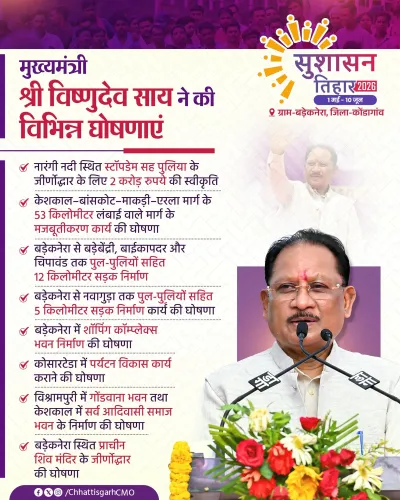
Chief Minister Vishnu Deo Sai inaugurated and performed bhoomipujan for multiple development works at Badeknera in Kondagaon district on 1 June 2026 during Sushasan Tihar 2026, reiterating his government's resolve to extend roads, health, education and water facilities to the state's remotest tribal areas.
Key Takeaways
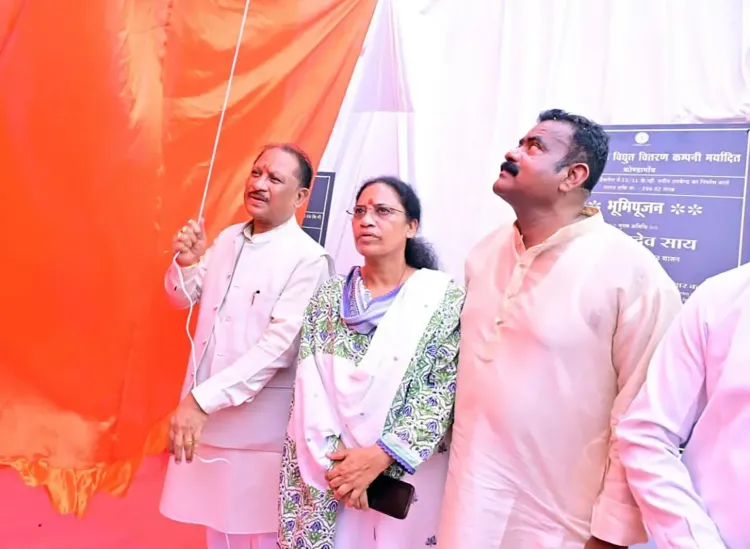
Chief Minister Vishnu Deo Sai inaugurated and laid foundation stones for development projects at gram Badeknera, Kondagaon district on 1 June 2026 .
The event was part of the state-level Sushasan Tihar 2026 ('Good Governance Festival') programme.
Projects span roads, education, health, drinking water, housing and other basic infrastructure in a remote tribal area.
Kondagaon is a tribal-majority district in the Bastar division , historically affected by limited connectivity and left-wing extremism.
The Sai government has prioritised infrastructure expansion in Bastar-region districts since taking office in December 2023 .
Central schemes including PMGSY and Jal Jeevan Mission form part of the policy backbone supporting these launches.
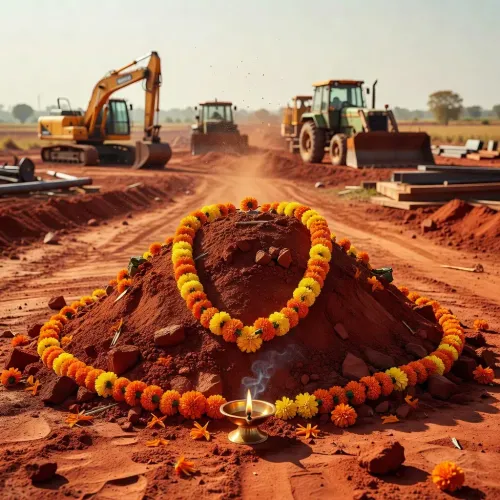
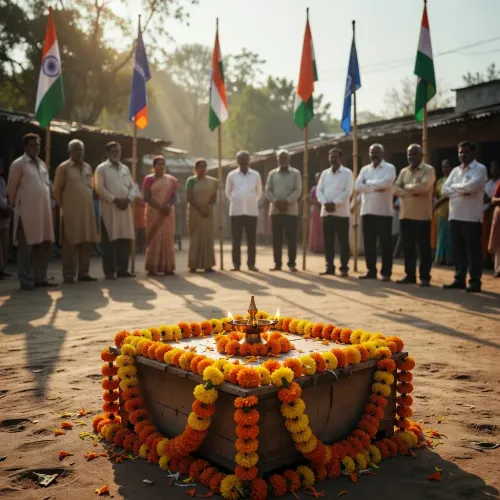
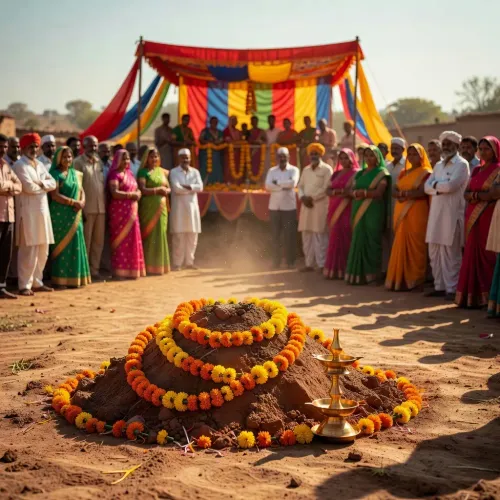
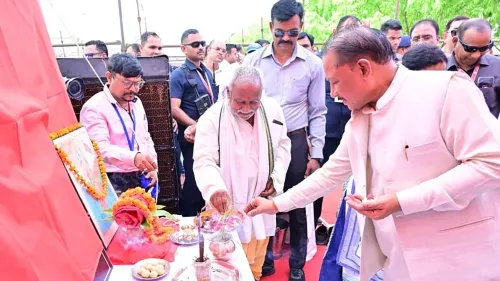
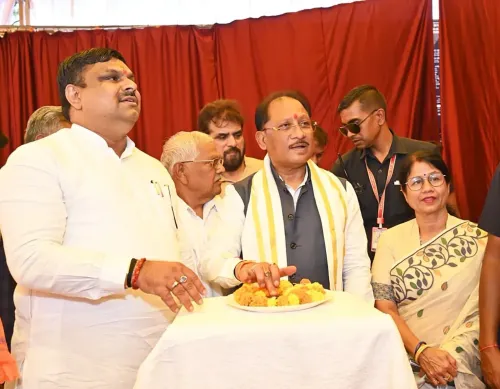
The Chief Minister's Office of Chhattisgarh announced on Monday, 1 June 2026 that Chief Minister Vishnu Deo Sai inaugurated and performed bhoomipujan (ground-breaking) for multiple development projects at gram Badeknera in Kondagaon district during the ongoing Sushasan Tihar 2026 programme.
Context
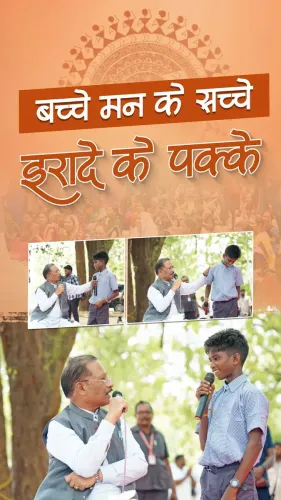
Speaking at the event, CM Sai reaffirmed his government's commitment to inclusive growth. As quoted by the CMO, he said: 'hamaari sarkar ka spasht sankalp hai ki vikas ka laabh antim vyakti tak pahunche' — 'our government's clear resolve is that the benefits of development reach the last person, and no region of the state is left behind in the race of progress.' The Chief Minister specifically highlighted the extension of roads, education, health, drinking water, housing and other basic facilities to remote areas as a priority.
The venue, Badeknera village, lies in Kondagaon, a tribal-majority district in the Bastar division of southern Chhattisgarh. The district has historically faced limited connectivity and has been among the areas affected by left-wing extremism, making infrastructure investment here a politically and administratively significant act.
Policy Backdrop
The BJP government that came to power in December 2023 under Vishnu Deo Sai made infrastructure expansion in Bastar and other LWE-affected districts a stated priority from its early months in office. Central schemes including the Pradhan Mantri Gram Sadak Yojana (PMGSY) and Jal Jeevan Mission have been active in Chhattisgarh since 2019-20, targeting last-mile road connectivity and piped drinking water to gram panchayats in remote blocks.
Sushasan Tihar — translating broadly as 'Good Governance Festival' — is a state-level programme that involves public hearings, project launches and administrative reviews conducted across districts. The 2026 edition has seen the Chief Minister and senior officials travel to remote constituencies to personally oversee project inaugurations and gather citizen feedback, a format that mirrors similar outreach drives run by BJP administrations in neighbouring Jharkhand and Odisha.
Stakeholders and Impact
The primary beneficiaries of the projects launched at Badeknera are tribal communities and rural households in Kondagaon's remote blocks, populations that have historically had limited access to paved roads, government schools, primary health centres and piped water supply. For these communities, each infrastructure addition represents a direct reduction in travel time to services and an improvement in livelihood conditions.
Chhattisgarh governments across political cycles have pursued phased development of roads, schools, health centres and housing on the Bastar plateau as a strategy to reduce geographic isolation and integrate peripheral tribal areas into the state's growth framework. The current administration's use of a high-visibility governance festival to anchor these launches adds a public-accountability dimension to routine project execution.
What's Next
Attention will now turn to progress reports on the projects launched during the 2026 Sushasan Tihar rounds across other blocks of Kondagaon and the broader Bastar region. Any supplementary allocations in the 2026-27 state budget to fund the pipeline of works announced during this programme will be a key indicator of the administration's follow-through. Sustained delivery on these commitments in tribal and LWE-affected zones is likely to remain a central metric by which the Sai government's governance record is judged ahead of the next electoral cycle.
Point of View
Not peripheral. By combining project inaugurations with public-facing 'festival' branding, the administration is attempting to convert routine infrastructure delivery into visible political capital ahead of future elections. This approach fits a broader BJP pattern across Chhattisgarh, Jharkhand and Odisha of using high-visibility outreach programmes to demonstrate state presence in historically underserved areas. The real test, however, will be whether the works launched during Sushasan Tihar 2026 are completed on schedule and whether the beneficiary communities see measurable improvement in access to services.
NationPress
19 Sept 2026
Frequently Asked Questions
What is Sushasan Tihar in Chhattisgarh?
Sushasan Tihar, meaning 'Good Governance Festival,' is a state-level programme in Chhattisgarh where the Chief Minister and senior officials travel to districts to launch development projects, hold public hearings and review administrative delivery. The 2026 edition is being conducted across multiple districts including Kondagaon.
What development works did CM Vishnu Deo Sai inaugurate at Kondagaon?
CM Vishnu Deo Sai inaugurated and performed bhoomipujan for multiple development projects at gram Badeknera in Kondagaon district on 1 June 2026, covering areas such as roads, education, health, drinking water and housing. The exact list of individual works was not detailed in the official post.
Where is Kondagaon district located in Chhattisgarh?
Kondagaon is a tribal-majority district in the Bastar division of southern Chhattisgarh. It has historically faced limited connectivity and has been among areas affected by left-wing extremism, making it a focus for government infrastructure investment.
What is Vishnu Deo Sai's focus for tribal areas in Chhattisgarh?
Since taking office in December 2023, Chief Minister Vishnu Deo Sai has prioritised infrastructure expansion — roads, health centres, schools and piped water — in Bastar and other LWE-affected districts, leveraging central schemes like PMGSY and Jal Jeevan Mission alongside state funds.
What is bhoomipujan and why is it significant?
Bhoomipujan is a ground-breaking or foundation-laying ceremony that marks the formal start of a new construction project. It is significant because it signals official government commitment to funding and completing the project, and is often conducted by senior leaders to highlight development priorities.