CM Sai: Green Energy Driving Chhattisgarh Energy Self-Reliance
Synopsis
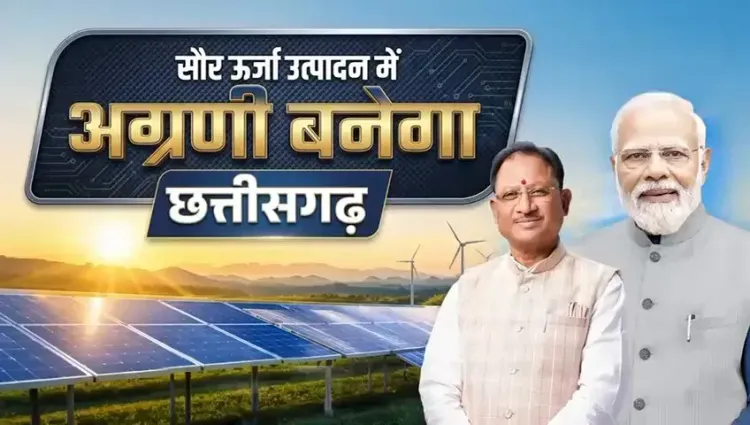
Chhattisgarh Chief Minister Vishnu Deo Sai on 25 July 2026 said the state's green energy expansion is driving energy self-reliance while advancing environmental, economic, and welfare goals — building the foundation for a Viksit Chhattisgarh.
Key Takeaways
CM Vishnu Deo Sai declared on 25 July 2026 that Chhattisgarh's green energy expansion is steering the state toward energy self-reliance.
The initiative is framed as advancing three simultaneous goals: environmental protection, economic progress, and public welfare .
Chhattisgarh , a major coal-producing state, is diversifying its energy mix in line with national and global renewable targets.
India has pledged 500 GW of non-fossil fuel capacity by 2030 , and state-level efforts are critical to that commitment.
The Viksit Chhattisgarh framing mirrors the national Viksit Bharat narrative central to BJP's governance agenda.
Upcoming state budget announcements and new project tenders will be key indicators of implementation progress.
Chhattisgarh Chief Minister Vishnu Deo Sai on Saturday, 25 July 2026 declared that the state's expanding green energy programme is steering it toward new heights of energy self-reliance, while simultaneously advancing environmental protection, economic growth, and public welfare.
Context
In his post on X, CM Sai stated — 'Harit urja ka vistaar Chhattisgarh ko urja aatmanirbharta ki nayi unchaiyon ki or le ja raha hai' — ('The expansion of green energy is taking Chhattisgarh to new heights of energy self-reliance'). He added that this initiative is simultaneously driving environmental conservation, economic progress, and public welfare, laying a strong foundation for a Viksit Chhattisgarh (Developed Chhattisgarh).
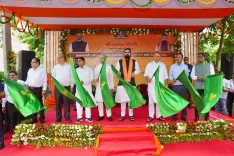
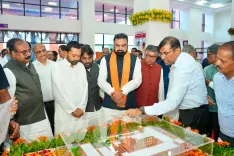
The statement comes as the BJP-led state government, which took office in December 2023 under Sai's leadership, has consistently framed renewable energy expansion as a pillar of its development agenda. The post was accompanied by a video, suggesting an on-ground programme or event related to the green energy push.
Policy Backdrop
Chhattisgarh is one of India's largest coal-producing states, making its renewable energy pivot particularly significant. The state's transition mirrors similar efforts underway in coal-dependent neighbours such as Jharkhand and Odisha, where solar and wind capacity additions are being pursued to diversify the energy mix.
At the national level, India committed at the COP26 summit in 2021 to achieve 500 GW of non-fossil fuel energy capacity by 2030. State-level renewable initiatives like Chhattisgarh's are critical to meeting that target, and the framing of green energy as an economic and welfare tool — not merely an environmental one — has been a recurring feature of state renewable policies since 2017-18.
Stakeholders and Impact
The push for energy self-reliance directly benefits power consumers across the state, including households and industries that have historically faced supply constraints. Renewable energy developers stand to gain from policy momentum and potential new project tenders as the state works to diversify its generation portfolio.
The emphasis on jankallyan (public welfare) in CM Sai's framing signals that the government intends to position green energy gains — whether in the form of lower tariffs, rural electrification, or job creation — as tangible benefits for ordinary citizens, not just headline capacity numbers.
What's Next
Attention will now turn to the state's next budget cycle and any forthcoming renewable capacity addition figures, fresh project tenders, or updated policy frameworks that give concrete shape to the vision outlined by CM Sai. The Viksit Chhattisgarh goal — echoing the national Viksit Bharat narrative — is expected to remain a central plank of the government's communication as it approaches the mid-term of its tenure.
Point of View
Economy, and welfare, the government is pre-empting criticism that renewable investment comes at the cost of livelihoods in a coal-dependent economy. The 'Viksit Chhattisgarh' label directly mirrors the Centre's 'Viksit Bharat' framework, reinforcing ideological continuity between the state and national leadership. Whether concrete project announcements follow will determine if this remains aspirational messaging or translates into measurable energy transition milestones.
NationPress
25 Jul 2026
Frequently Asked Questions
What did Chhattisgarh CM Vishnu Deo Sai say about green energy?
CM Vishnu Deo Sai said on 25 July 2026 that the expansion of green energy is taking Chhattisgarh to new heights of energy self-reliance, while simultaneously driving environmental conservation, economic progress, and public welfare.
What is Viksit Chhattisgarh?
'Viksit Chhattisgarh' means 'Developed Chhattisgarh' and is the BJP state government's overarching development vision, mirroring the national 'Viksit Bharat' (Developed India) framework championed by the central leadership.
Is Chhattisgarh shifting away from coal toward renewable energy?
Chhattisgarh, one of India's largest coal producers, is expanding solar and wind capacity to diversify its energy mix — a pattern also seen in neighbouring states like Jharkhand and Odisha — without abandoning its existing coal sector.
How does Chhattisgarh's green energy push relate to India's national targets?
India committed at COP26 in 2021 to achieve 500 GW of non-fossil fuel energy capacity by 2030. State-level renewable expansions, including Chhattisgarh's, are essential to meeting that national goal.
When did Vishnu Deo Sai become Chief Minister of Chhattisgarh?
Vishnu Deo Sai was sworn in as Chief Minister of Chhattisgarh in December 2023 after the BJP won the state assembly elections.