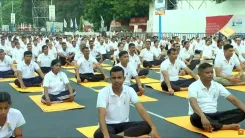
CM Sai Greets Chhattisgarh on International Yoga Day
Synopsis
Chhattisgarh Chief Minister Vishnu Deo Sai marked International Yoga Day on 21 June 2026 by calling on state residents and yoga practitioners to adopt yoga as a daily lifestyle habit, framing it as the cornerstone of a healthy, empowered, and prosperous society.
Key Takeaways
CM Vishnu Deo Sai extended greetings to Chhattisgarh residents and yoga practitioners on International Yoga Day, 21 June 2026 .
He urged citizens to make yoga part of their daily lifestyle for physical health, mental peace, and a balanced life.
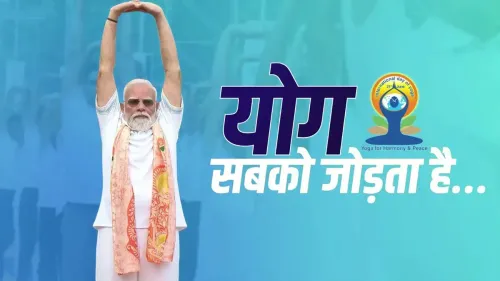
The International Day of Yoga was established by the UN General Assembly in 2014 following a proposal by PM Narendra Modi .
The Ministry of AYUSH coordinates national-level Yoga Day events annually, with state governments including Chhattisgarh participating locally.
CM Sai described yoga as 'the strongest foundation for building a healthy, empowered, and prosperous society.'
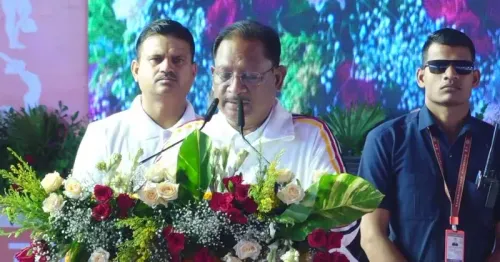
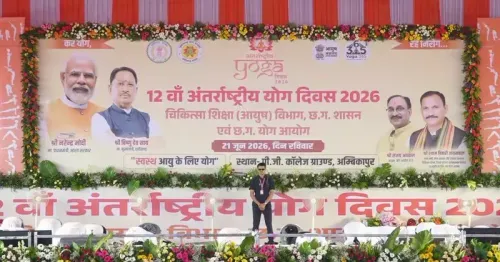
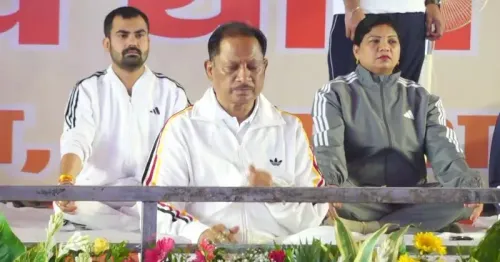
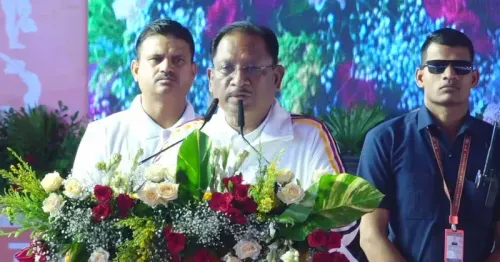
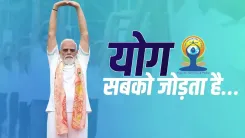
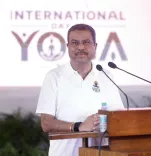
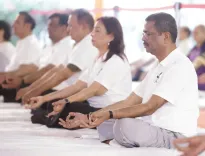
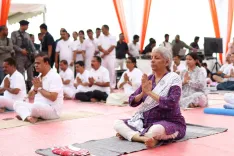
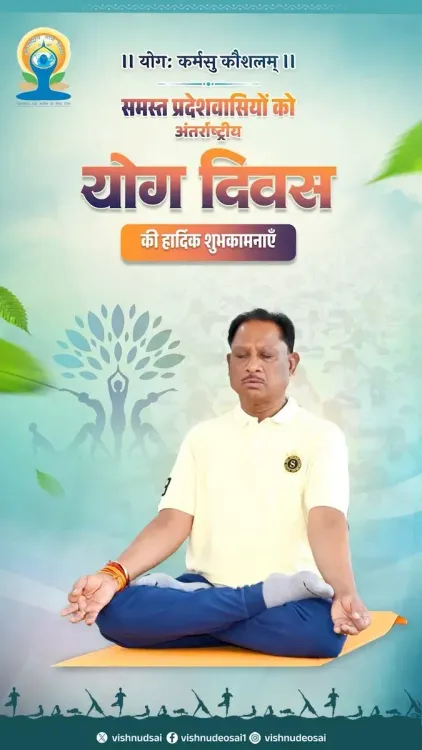
Chhattisgarh Chief Minister Vishnu Deo Sai on Sunday, 21 June 2026 extended greetings to residents of the state and yoga practitioners across the country on the occasion of International Yoga Day, calling on citizens to make yoga a daily practice for physical health, mental peace, and a balanced life.
Context
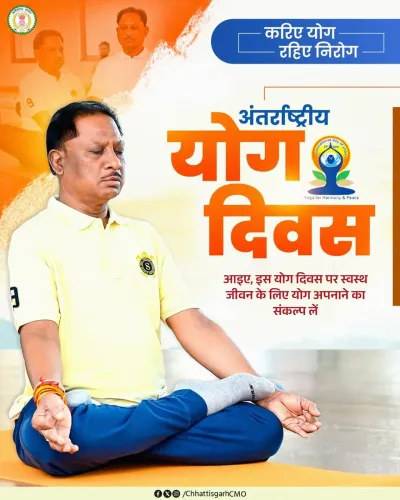
Posting in Hindi on X, CM Sai wrote: 'योगमय जीवन, निरोगी तन' ['A life filled with yoga, a body free of disease'], and wished all residents of the state and yoga practitioners heartfelt greetings on International Yoga Day. He urged citizens to resolve to adopt yoga as part of their daily lifestyle, describing it as 'the strongest foundation for building a healthy, empowered, and prosperous society.'
The message reflects the standard observance by state governments across India, where elected leaders use June 21 to reinforce public health messaging aligned with national wellness priorities.
Policy Backdrop
The International Day of Yoga was established by the United Nations General Assembly through Resolution 69/131 in 2014, following a proposal by Prime Minister Narendra Modi at the UN General Assembly in September 2014. The first official observance was held on 21 June 2015.
Since then, the Union Ministry of AYUSH — which oversees Ayurveda, Yoga, Naturopathy, Unani, Siddha, and Homoeopathy — has coordinated national-level events at major public venues each year. State governments, including Chhattisgarh, participate by organising local events that align with this national framework for preventive wellness.
India has consistently used the occasion to project soft power internationally while integrating traditional practices into domestic public health messaging, combining cultural heritage promotion with population-level health objectives.
Stakeholders and Impact
The primary audience for CM Sai's message is the population of Chhattisgarh, a central Indian state whose government promotes traditional wellness practices through public events and awareness campaigns. Yoga practitioners and health-conscious citizens across the state are the direct stakeholders.
The broader implication of such messaging, when backed by state policy, is the potential integration of yoga into school curricula, government employee wellness programmes, and community health initiatives under the AYUSH framework.
What's Next
Observers and health policy watchers will track whether the Chhattisgarh government follows up ceremonial greetings with concrete budgetary allocations or programme expansions — such as structured yoga sessions in state-run schools or public health centres — in the months ahead. Such steps would signal a move from symbolic observance to institutional embedding of yoga within the state's preventive health architecture.
Point of View
Particularly those championed by PM Modi since 2014. The framing of yoga as the 'foundation of a prosperous society' subtly elevates a wellness observance into a civilisational argument, a rhetorical strategy that has become standard for the party's chief ministers. For Chhattisgarh, a state with significant rural and tribal populations, the real test will be whether such messaging translates into accessible, ground-level yoga infrastructure. The post signals continuity with national policy but stops short of announcing any new state-specific initiative.
NationPress
21 Jun 2026
Frequently Asked Questions
Why is International Yoga Day celebrated on June 21?
International Yoga Day is observed on 21 June because it is the summer solstice, the longest day of the year in the Northern Hemisphere, which holds special significance in many cultures. The date was proposed by India and adopted by the UN General Assembly in 2014 through Resolution 69/131.
What did Chhattisgarh CM Vishnu Deo Sai say on International Yoga Day 2026?
CM Vishnu Deo Sai extended greetings to all Chhattisgarh residents and yoga practitioners, urging them to adopt yoga as a daily habit for a healthy body, peaceful mind, and balanced life. He called yoga the 'strongest foundation' for a healthy, empowered, and prosperous society.
Who proposed International Yoga Day at the United Nations?
Prime Minister Narendra Modi proposed the International Day of Yoga at the UN General Assembly in September 2014 . The UN adopted the proposal the same year, and the first observance was held on 21 June 2015 .
What is the Ministry of AYUSH and what is its role in Yoga Day?
The Ministry of AYUSH oversees traditional Indian health systems including Ayurveda, Yoga, Naturopathy, Unani, Siddha, and Homoeopathy. It coordinates national-level International Yoga Day events each year and works with state governments to organise local programmes.
How does Chhattisgarh promote yoga?
The Chhattisgarh government promotes yoga and traditional wellness practices through public events and awareness campaigns that align with the national AYUSH framework. State leaders including CM Vishnu Deo Sai use occasions like International Yoga Day to encourage citizens to adopt yoga in daily life.