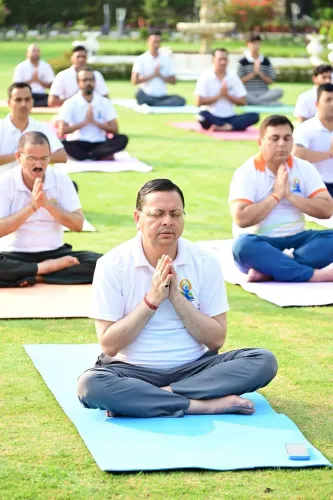
CM Dhami Marks International Yoga Day 2026
Synopsis
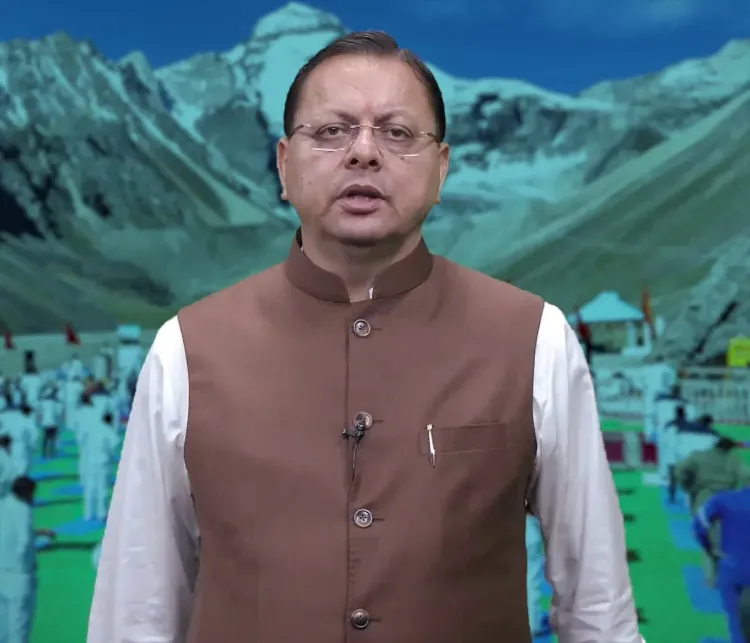
On International Yoga Day 2026, Uttarakhand Chief Minister Pushkar Singh Dhami called yoga a powerful lifestyle — not just a fitness tool — and urged citizens to commit to daily practice, aligning with the global theme of healthy ageing and India's Ayush-led wellness push.
Key Takeaways
CM Pushkar Singh Dhami posted his International Yoga Day 2026 message on 21 June 2026 .
He described yoga as a 'powerful way of life' for mental calm, positive thinking, and personal discipline — beyond physical fitness.
The post used hashtags #YogaForHealthyAgeing and #InternationalYogaDay2026 , reflecting the global theme.
The UN General Assembly declared 21 June as International Yoga Day in 2014 on a proposal by PM Narendra Modi .
Uttarakhand , home to Rishikesh , holds special significance as a global centre of yoga practice and promotion.
State-level yoga programme rollouts for older adults under Ayush frameworks remain a key policy area to watch in 2026-27 .
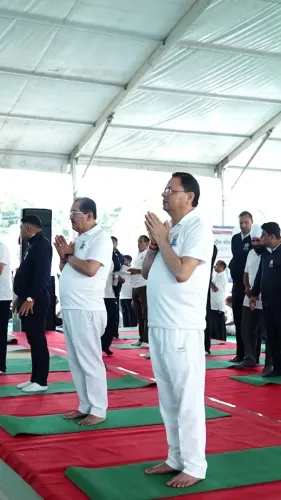
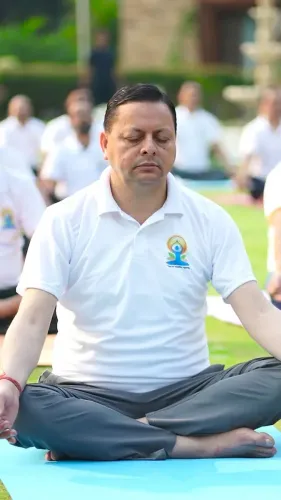
Uttarakhand Chief Minister Pushkar Singh Dhami marked International Yoga Day on 21 June 2026 with a message urging citizens to adopt yoga as a daily discipline, calling it a cornerstone of Indian cultural heritage and a pathway to physical, mental, and social well-being.
Context
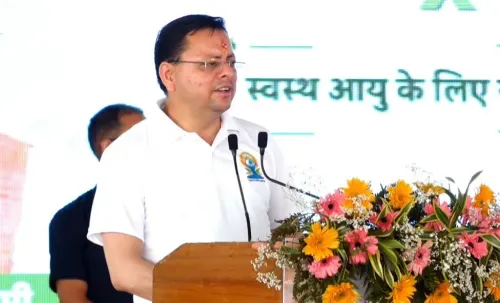
Posting on the morning of International Yoga Day, CM Dhami wrote — 'अंतर्राष्ट्रीय योग दिवस हम सभी को भारतीय संस्कृति की उस अनमोल विरासत की याद दिलाता है' ('International Yoga Day reminds us all of that priceless heritage of Indian culture') — framing the observance not as a one-day event but as a call to lasting lifestyle change. He described yoga as 'a powerful way of life that calms the mind, makes thoughts positive, and makes life disciplined,' going beyond its conventional identity as a physical fitness practice. The post carried the hashtags #YogaForHealthyAgeing and #InternationalYogaDay2026, signalling alignment with the global theme of yoga and healthy ageing.
Policy Backdrop
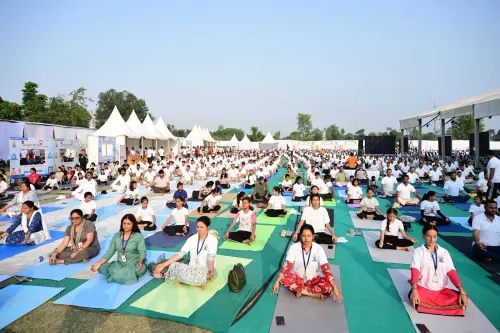
The global observance of 21 June as International Day of Yoga was declared by the United Nations General Assembly in 2014 following a proposal by Prime Minister Narendra Modi at the UN. Since then, both the central government and state governments across India have institutionalised yoga promotion through school curricula, Ayush Ministry programmes, and international diplomatic outreach. Uttarakhand, as the Himalayan state that is home to Rishikesh — widely regarded as the 'Yoga Capital of the World' — holds particular symbolic weight in this national effort. State governments routinely organise mass yoga sessions on 21 June, connecting the practice to preventive health and ageing policy priorities.
Stakeholders and Impact
CM Dhami's message is directed at Uttarakhand's residents and, through the public platform, at a broader national audience. The hashtag #YogaForHealthyAgeing links the post to public health conversations around India's ageing population and the government's emphasis on preventive healthcare as a cost-effective policy tool. Public health advocates have long argued that integrating yoga into daily routines can reduce the burden on the healthcare system, particularly for non-communicable diseases. Dhami's call for a 'healthy, aware, and empowered society' echoes the language of the Ayush Ministry's wellness frameworks.
What's Next
Attention will now turn to whether the Uttarakhand government follows the message with concrete programme rollouts — particularly yoga modules tailored for older adults — as part of its alignment with national Ayush initiatives in the 2026-27 budget cycle. The state's unique position as a global yoga destination gives it both the credibility and the infrastructure to lead such initiatives at scale. Observers will watch for announcements on state-sponsored yoga infrastructure, teacher training, and integration with school health programmes in the months ahead.
Point of View
Which connects a cultural moment to a substantive policy challenge — India's ageing demographic and the pressure on public health infrastructure. For a BJP chief minister in Uttarakhand, the yoga identity is both culturally authentic and politically useful, given the state's position as the global home of yoga. The post reinforces the central government's decade-long project of positioning yoga as a soft-power instrument and a domestic wellness policy simultaneously. Whether state-level programme announcements follow will determine if this is messaging or policy leadership.
NationPress
19 Sept 2026
Frequently Asked Questions
When is International Yoga Day celebrated?
International Yoga Day is celebrated every year on 21 June . It was declared by the UN General Assembly in 2014 following a proposal by Indian Prime Minister Narendra Modi .
What did Uttarakhand CM Dhami say on Yoga Day 2026?
CM Pushkar Singh Dhami called yoga a 'powerful way of life' that calms the mind and disciplines life, urging all citizens to commit to regular yoga practice to build a healthy, aware, and empowered society.
What is the theme of International Yoga Day 2026?
The theme reflected in CM Dhami's post is 'Yoga for Healthy Ageing' , as indicated by his use of the hashtag #YogaForHealthyAgeing on 21 June 2026 .
Why is Uttarakhand important for International Yoga Day?
Uttarakhand is home to Rishikesh , widely recognised as the 'Yoga Capital of the World,' giving the state special cultural and institutional significance in India's national and international yoga promotion efforts.
What is India's Ayush Ministry and its role in yoga promotion?
The Ayush Ministry is the Indian government body overseeing traditional health systems including yoga, Ayurveda, and naturopathy. It runs national programmes integrating yoga into school curricula, preventive healthcare, and diplomatic outreach since 2014 .