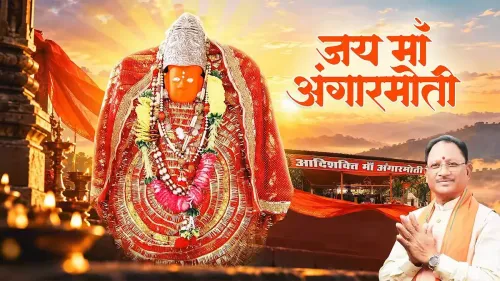
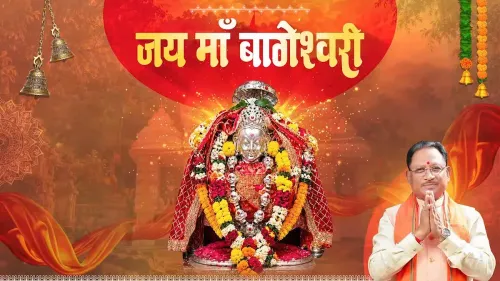
CM Vishnu Deo Sai Wishes Chhattisgarh on Maha Ashtami
Synopsis
Chhattisgarh Chief Minister Vishnu Deo Sai marked Maha Ashtami on October 18, 2026 with a Sanskrit shloka and a heartfelt prayer for peace, prosperity, and new energy for all residents of the state during Navratri 2026.
Key Takeaways
CM Vishnu Deo Sai posted Maha Ashtami greetings on October 18, 2026 via his official X account.
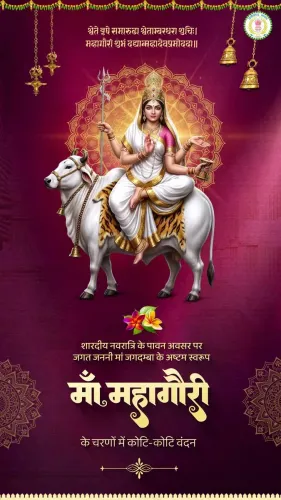
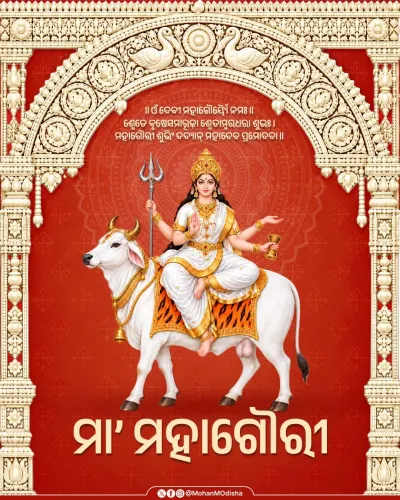
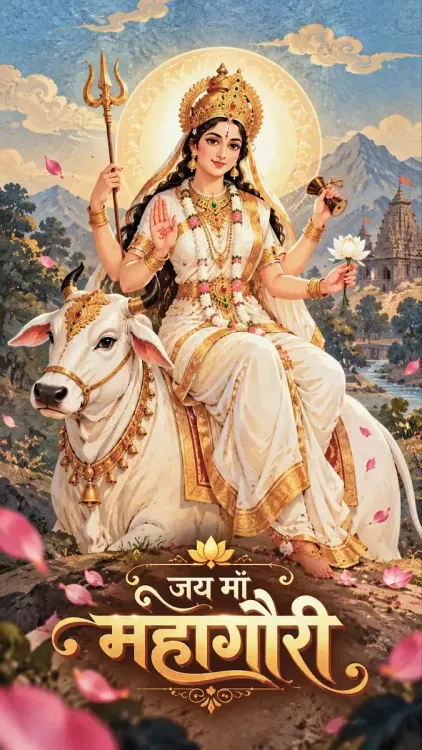
He opened with a Sanskrit shloka invoking Goddess Mahagauri , the eighth form of Navdurga.
The message prayed for sukh-shanti, samriddhi aur nav urja (happiness, peace, prosperity, and new energy) for all Chhattisgarh residents.
The post was tagged #CGNavratri2026 , #महतारी_का_सम्मान , and #Navratri2026 .
The hashtag #महतारी_का_सम्मान connects the festival message to the state government's women-centric cultural branding.
On the auspicious occasion of Maha Ashtami, Chhattisgarh Chief Minister Vishnu Deo Sai extended warm greetings to every resident of the state, invoking the blessings of Goddess Mahagauri — the eighth manifestation of Navdurga — on Sunday, October 18, 2026.
Opening his message with a Sanskrit shloka — 'Shwete vrishe samarudha shwetambaradhara shuchih, Mahagauri shubham dadyan Mahadevapramodada' — the Chief Minister called upon the deity who, in Hindu tradition, is venerated as the bestower of purity, prosperity, and divine joy. The verse, drawn from classical Devi scripture, sets the devotional register of the entire message.
A Prayer for Prosperity Across Chhattisgarh
Posting under the hashtags #CGNavratri2026, #महतारी_का_सम्मान, and #Navratri2026, Sai prayed that 'samast pradeshvasiyon ki manokamnaen poorn hon' — that the wishes of all people of the state be fulfilled. He specifically asked for an infusion of 'sukh-shanti, samriddhi aur nav urja' (happiness, peace, prosperity, and new energy) in the lives of Chhattisgarh's people.
The hashtag #महतारी_का_सम्मान ('Mahtari Ka Samman' — honour of the mother) echoes the state government's broader cultural framing of women-centric welfare, reflecting how Navratri greetings by BJP leaders in Chhattisgarh are often woven into an overarching narrative of reverence for the feminine.
Navratri as a Political and Cultural Touchstone in Chhattisgarh
Navratri — the nine-night festival honouring Goddess Durga — is among the most widely observed festivals across central India, and Chhattisgarh's tribal and agrarian communities celebrate it with particular vigour. For the BJP-led state government, public engagement during Navratri is both a cultural expression and a demonstration of alignment with the state's majority religious sentiment.
Indian political leaders routinely use social media to issue festival greetings, and Maha Ashtami — the eighth night, dedicated to Mahagauri — draws some of the most fervent public observances of the entire nine-day cycle. That the Chief Minister chose to open with a Sanskrit shloka rather than a plain wish signals a deliberate elevation of the message beyond the ceremonial.
As Navratri 2026 reaches its peak, the prayers of Raipur's first citizen are simple but resonant: may every household in Chhattisgarh find its wishes answered by dawn on Navami.
Point of View
Reinforcing brand continuity beyond policy announcements. In Chhattisgarh, where tribal and agrarian communities hold Navratri observances central to social life, a Chief Minister who speaks the devotional idiom fluently is also speaking the language of electoral trust.
NationPress
18 Oct 2026
Frequently Asked Questions
What is Maha Ashtami and why is it significant during Navratri?
Maha Ashtami is the eighth day of the nine-night Navratri festival, dedicated to Goddess Mahagauri. It is one of the most important days of the festival, marked by special pujas, fasting, and the worship of the eighth form of Navdurga, who symbolises purity and prosperity.
Who is Vishnu Deo Sai?
Vishnu Deo Sai is the Chief Minister of Chhattisgarh and a senior BJP leader. He leads the BJP-led state government in central India.
What did CM Vishnu Deo Sai post on Maha Ashtami 2026?
CM Vishnu Deo Sai posted a Maha Ashtami greeting on October 18, 2026, opening with a Sanskrit shloka on Goddess Mahagauri and praying for happiness, peace, prosperity, and new energy for all residents of Chhattisgarh.
What does the hashtag Mahtari Ka Samman mean?
'Mahtari Ka Samman' translates to 'honour of the mother' in Hindi. It is used by the Chhattisgarh state government to frame cultural and welfare messaging centred on reverence for women.
How is Navratri celebrated in Chhattisgarh?
Navratri is widely celebrated across Chhattisgarh, particularly by its tribal and agrarian communities, with devotional gatherings, Durga puja rituals, fasting, and cultural programmes over nine nights.