CM Sai Hails Lok Sabha Passage of Exam Anti-Cheating Bill

Synopsis
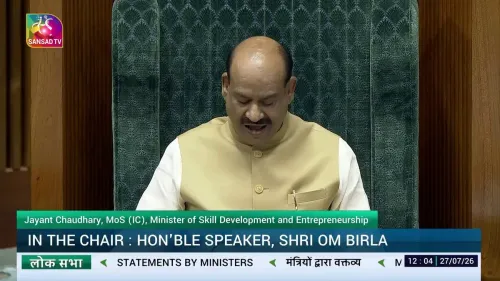
The Lok Sabha passed the Public Examinations (Prevention of Unfair Means) Amendment Bill, 2026 on 29 July. Chhattisgarh CM Vishnu Deo Sai hailed it as a historic step to curb paper leaks, exam mafias, and organised irregularities, crediting PM Modi's leadership.
Key Takeaways
The Lok Sabha passed the Public Examinations (Prevention of Unfair Means) Amendment Bill, 2026 on 29 July 2026 .
CM Vishnu Deo Sai described it as a historic step for crores of Indian youth and a transparent exam system.
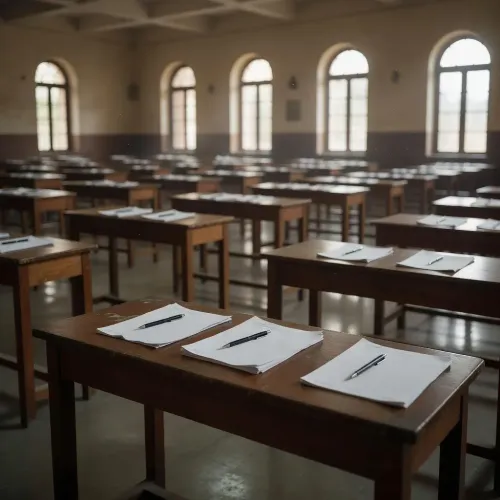
The bill targets exam mafias, question-paper leaks, and organised irregularities in competitive examinations.
The amendment builds on the original Public Examinations (Prevention of Unfair Means) Act, 2024 , which was itself introduced after high-profile exam fraud controversies.
Sai linked the legislation to the broader Viksit Bharat (Developed India) vision of the Modi government.
Enforcement — including coordination between the Union government and state examination boards — will determine the law's real impact.
Millions of Indian competitive exam aspirants got a legislative shield on Wednesday, 29 July 2026, as the Lok Sabha passed the 'Public Examinations (Prevention of Unfair Means) Amendment Bill, 2026' — and Chhattisgarh Chief Minister Vishnu Deo Sai was swift to call it a landmark moment for the country's youth.
Welcoming the passage, CM Sai said the amendment is 'ek aitihasik kadam' (a historic step) toward a secure future for crores of young Indians, honest talent, and a transparent examination system. He credited the initiative to the leadership of Prime Minister Narendra Modi and expressed gratitude on behalf of all residents of Chhattisgarh.
What the Amendment Targets: Paper Leaks and Exam Mafias
The original Public Examinations (Prevention of Unfair Means) Act, 2024 was itself a response to a wave of high-profile irregularities — including paper leaks in national-level tests — that had shaken public trust in competitive examinations. The 2026 amendment is designed to tighten that framework further, with CM Sai specifically citing action against 'exam mafias', question-paper leaks, and organised irregularities.
The bill's passage comes after recurring controversies around exams such as NEET and various state-level recruitment tests, which had triggered protests from aspirants who spent years preparing only to see results tainted by fraud. The legislative response has been a consistent thread in the BJP-led central government's governance agenda.
Chhattisgarh's Stake in Exam Reform
CM Sai framed the amendment as directly serving Chhattisgarh's youth — a state where competitive exam aspirants, many from tribal and rural backgrounds, invest heavily in preparation for central and state government jobs. By endorsing the bill publicly, Sai aligned the state government firmly with the Centre's push to make examination integrity non-negotiable.
He described the government's commitment as a 'dridh pratibaddhataa' (firm resolve) to protect the dreams, hard work, and futures of young people — and said this resolve would add new strength to the vision of a Viksit Bharat (Developed India).
The real test now lies in enforcement: how swiftly the amended penalties are operationalised, how effectively the Union government coordinates with state examination boards, and whether the law deters the organised networks that have repeatedly compromised exam integrity. For lakhs of aspirants who have lost years to fraudulent results, the amendment is only as good as its implementation.
Point of View
Not just administrative fixes, can break the organised networks behind exam fraud. For BJP chief ministers like Sai, publicly endorsing such bills is also a political signal: the party is seen as the custodian of merit and opportunity for aspirational youth, a demographic that votes in large numbers. The real credibility test, however, is prosecutorial — whether the amended law produces convictions fast enough to deter the next leak. If enforcement lags, the legislation risks becoming another well-intentioned statute that fails at the last mile.
NationPress
29 Jul 2026
Frequently Asked Questions
What is the Public Examinations (Prevention of Unfair Means) Amendment Bill 2026?
It is a central legislation passed by the Lok Sabha on 29 July 2026 that amends the 2024 Act to impose stricter measures against paper leaks, exam mafias, and organised irregularities in competitive public examinations in India.
Why was the exam anti-cheating bill amended in 2026?
The original 2024 law was introduced after recurring paper leak controversies in exams like NEET and state-level tests. The 2026 amendment strengthens that framework to further deter organised malpractice.
What did Chhattisgarh CM Vishnu Deo Sai say about the bill?
CM Sai called the bill's passage a historic step for crores of Indian youth, saying it would protect honest talent and transparent examinations, and thanked PM Modi on behalf of all Chhattisgarh residents.
How does the 2026 amendment differ from the 2024 exam law?
Specific provisions of the 2026 amendment have not been officially detailed yet, but CM Sai indicated it will further tighten action against exam mafias, question-paper leaks, and organised irregularities beyond what the 2024 Act covered.
Which exams does India's anti-cheating law apply to?
The Public Examinations (Prevention of Unfair Means) Act covers national-level competitive and recruitment examinations conducted by central bodies; coordination with state examination boards on enforcement is an ongoing process.