CM Sai hosts 1st Regional Workshop on UCF & UiWIN in Nava Raipur
Synopsis
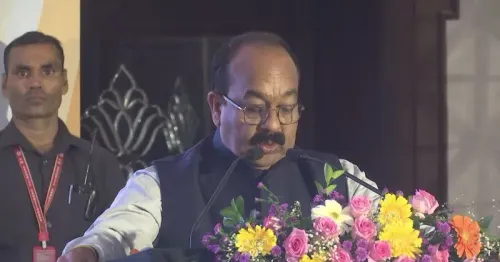
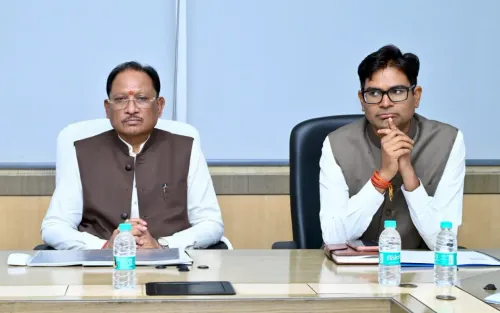
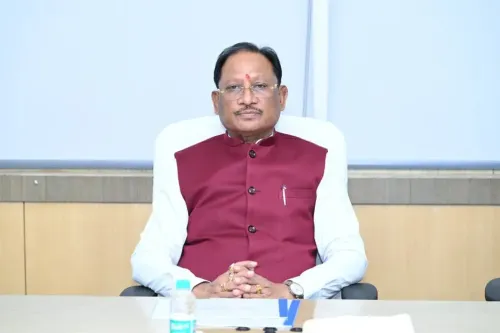
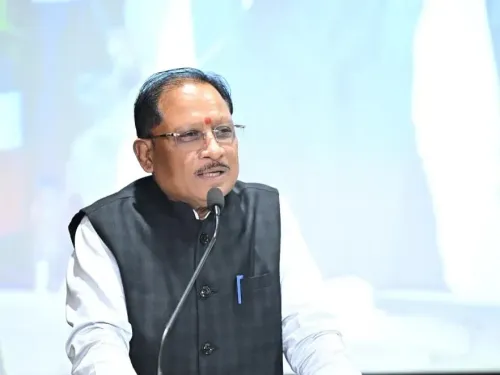
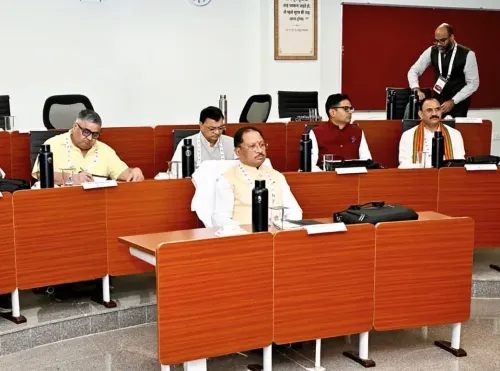
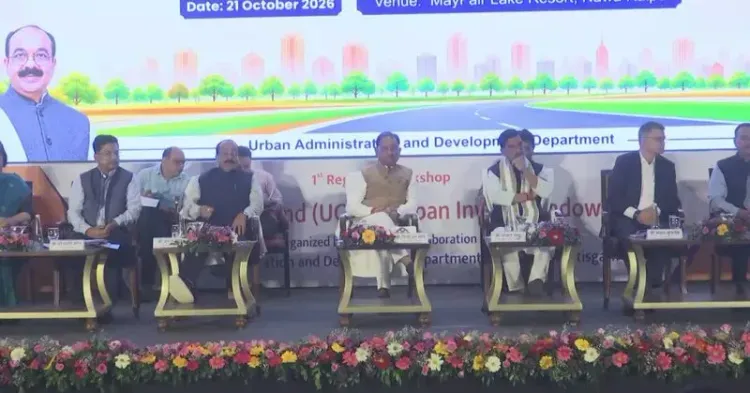
Chief Minister Vishnu Deo Sai hosted the 1st Regional Workshop on the Urban Challenge Fund and Urban Invest Window at Nava Raipur Atal Nagar on 21 October 2026, positioning Chhattisgarh at the forefront of India's competitive urban financing push.
Key Takeaways
Chhattisgarh hosted the 1st Regional Workshop on the Urban Challenge Fund (UCF) and Urban Invest Window (UiWIN) on 21 October 2026 .
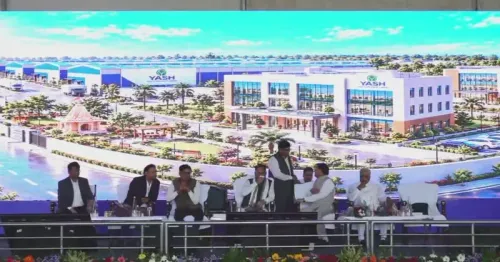
The workshop was held at Nava Raipur Atal Nagar , Chhattisgarh's planned smart capital city.
The UCF is a challenge-based central funding mechanism for competitive urban development projects; UiWIN facilitates private investment into urban infrastructure.
The regional workshop format aims to build urban local bodies' capacity to prepare bankable project proposals under both windows.
Chhattisgarh hosting the inaugural regional edition gives its cities a first-mover advantage in the national submission pipeline.
The initiative continues the shift — rooted in the Smart Cities Mission of 2015 — toward competitive, private-capital-linked urban financing for tier-2 cities.
Chhattisgarh's planned capital is now at the centre of India's next urban financing push. Chief Minister Vishnu Deo Sai on Wednesday, 21 October 2026 announced the hosting of the 1st Regional Workshop on the Urban Challenge Fund (UCF) and Urban Invest Window (UiWIN) at Nava Raipur Atal Nagar, marking the first time either programme has convened a dedicated regional edition.
Why Nava Raipur is the right address for this conversation
Nava Raipur Atal Nagar was conceived from the ground up as Chhattisgarh's smart, green capital — a city designed on a blank slate rather than retrofitted onto colonial-era infrastructure. Hosting the first regional workshop here is a deliberate signal: the state wants this carefully planned urban canvas to serve as proof-of-concept for the financing models now being workshopped inside its own borders.
The Urban Challenge Fund (UCF) operates as a competitive, challenge-based mechanism — cities pitch transformation projects and the strongest proposals win central backing. That architecture echoes the Smart Cities Mission launched in 2015, which first normalised the idea of cities competing for infrastructure funding rather than simply receiving allocations. UiWIN complements it as an investment facilitation window, designed to lower the friction for private capital flowing into urban infrastructure — a tier-2 city challenge India has wrestled with for years.
Building capacity at the regional level — and what it takes
The workshop format matters as much as the funds themselves. Urban local bodies across Chhattisgarh now need the institutional muscle to actually prepare bankable proposals — a skill that cannot be assumed. Regional gatherings like this one exist precisely to close that gap: translate policy guidelines into project-ready actions, connect planners with investors, and surface the city-level champions who will carry proposals forward.
Chhattisgarh's decision to hold the inaugural edition also puts it ahead of the regional queue, giving its urban local bodies first-mover advantage in understanding submission timelines, eligibility criteria, and co-investment expectations under both windows.
The shift toward private capital in India's smaller cities
For decades, India's tier-2 and tier-3 cities relied almost entirely on public grants for infrastructure. The UCF–UiWIN combination represents a structural shift: use central challenge funding to de-risk projects, then use UiWIN to attract the private co-investment that public budgets alone cannot sustain. Getting that sequencing right — and building state-level teams who understand it — is precisely what a workshop like this is designed to accelerate.
The next signal to watch: whether Chhattisgarh cities emerge as early project-proposal submitters under both windows, and whether Nava Raipur itself becomes a flagship case study that draws attention from other states.
Chhattisgarh has positioned itself at the front of India's urban financing conversation — now it has to turn a well-attended workshop into funded projects on the ground.
Point of View
But the real test is delivery. Challenge-based urban financing rewards states that build bureaucratic capacity fast; simply attending the conversation first means little if project proposals do not follow. CM Sai's Nava Raipur choice is shrewd optics — a planned city signals competence — but the model only validates itself when private capital actually co-invests alongside central grants. The broader pattern here is a decisive departure from grant-dependency toward competitive urban finance, and early-movers who master proposal architecture will shape which cities get built in the next decade.
NationPress
21 Oct 2026
Frequently Asked Questions
What is the Urban Challenge Fund (UCF) in India?
The Urban Challenge Fund is a central funding mechanism that supports competitive urban development projects — cities pitch transformation proposals and the strongest ones receive financial backing, following a challenge-based model similar to the Smart Cities Mission.
What is Urban Invest Window (UiWIN)?
UiWIN is an investment facilitation window designed to attract private capital into urban infrastructure projects, complementing public funds under schemes like the Urban Challenge Fund.
Why was the 1st Regional UCF and UiWIN workshop held in Nava Raipur?
Nava Raipur Atal Nagar, Chhattisgarh's planned smart capital, was chosen as the venue, reflecting the state's intent to position the city as a model for modern, investment-ready urban development.
What is Nava Raipur Atal Nagar?
Nava Raipur Atal Nagar is the planned capital city of Chhattisgarh, developed as a smart and green urban centre built on a blank slate rather than retrofitted onto older infrastructure.
What happens after the UCF and UiWIN regional workshop?
Urban local bodies that participated are expected to develop and submit project proposals under the UCF and UiWIN frameworks; further regional workshops in other states are also anticipated.