CM Sai Inaugurates ₹69 Cr Projects in Mungeli's Madku Village
Synopsis
Chhattisgarh CM Vishnu Deo Sai inaugurated and broke ground on development projects worth over ₹69 crore at Gram Madku in Mungeli district on 25 September 2026, targeting roads, health and public amenities across Mungeli, Lormi and Bilha assembly constituencies.
Key Takeaways
₹69 crore-plus in development works inaugurated and foundation-stoned at Gram Madku, Mungeli district on 25 September 2026 .
Projects cover Mungeli, Lormi and Bilha assembly constituencies with focus on roads and health infrastructure .
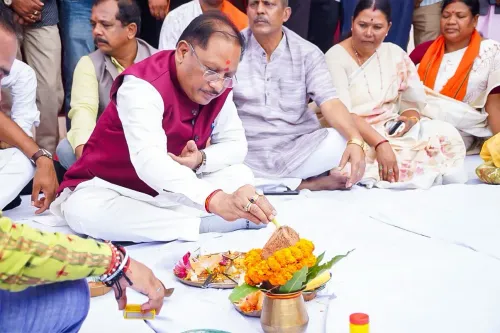
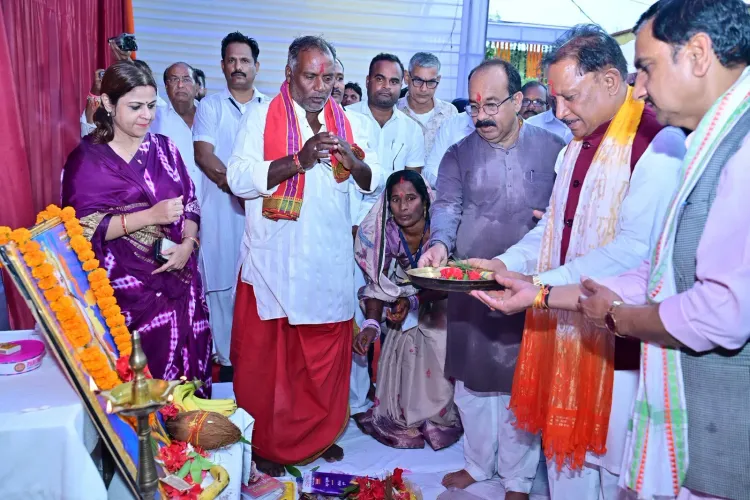
CM Vishnu Deo Sai personally presided over both the lokarpanam and bhumipujan ceremonies in a rural village setting.
The Sai government has emphasised last-mile service delivery as a governing priority since taking office after the December 2023 elections .
The event continues a BJP pattern in Chhattisgarh of bundling completed and upcoming district projects into single high-visibility announcement events.
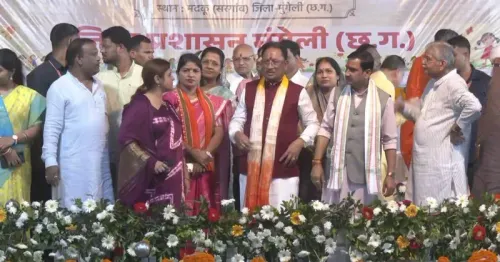
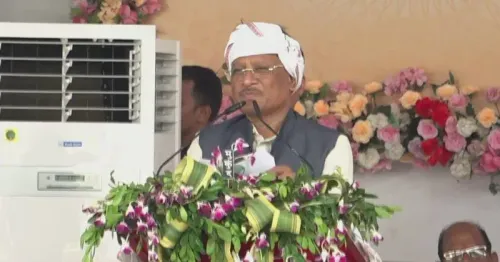
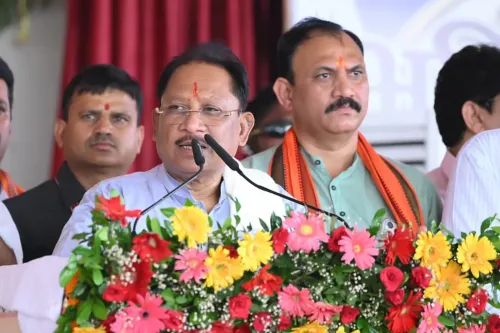
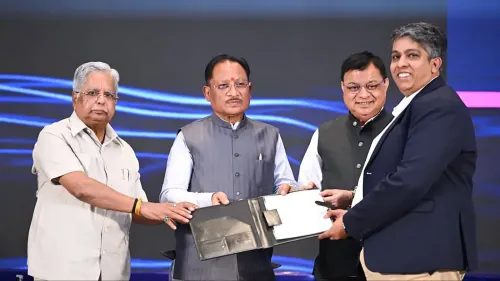
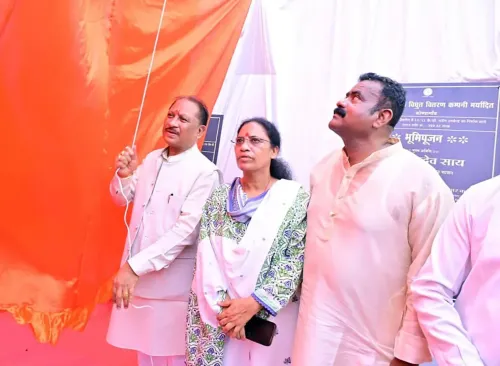
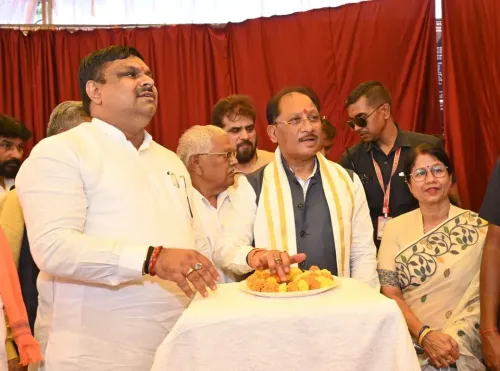
A village in central Chhattisgarh became the address of state ambition on Friday, 25 September 2026, as Chhattisgarh Chief Minister Vishnu Deo Sai travelled to Gram Madku in Mungeli district to inaugurate and lay the foundation stone for development works worth over ₹69 crore — projects spanning roads, health infrastructure and essential public amenities across three assembly constituencies.
Posting about the event on X, CM Sai wrote: 'छत्तीसगढ़ के हर क्षेत्र तक जनसुविधाओं की सहज पहुंच सुनिश्चित करना हमारा संकल्प है' — 'It is our resolve to ensure easy access to public amenities in every corner of Chhattisgarh.' He added that the works would expand roads, health services and essential facilities across Mungeli, Lormi and Bilha assembly segments, and that the aim was to ensure 'development reaches the last mile and every region moves forward equally on this journey of progress.'Madku to Bilha: Three Constituencies, One Push
The ₹69 crore package is not earmarked for a single township — it fans out across Mungeli, Lormi and Bilha assembly constituencies, each with its own infrastructure gaps. Road connectivity and health facility upgrades form the core of the announcement. For interior stretches of central Chhattisgarh, where the last surfaced road can still be the difference between a medical emergency resolved and one that is not, these are not routine line items. They are lifelines.
The venue itself — Gram Madku — carries its own symbolic weight. By anchoring a flagship district event in a village rather than the district headquarters, the state government signals that the locus of delivery has shifted. Reach, not spectacle, is the stated metric.
BJP's Rural Infrastructure Pattern in Chhattisgarh
Since the BJP's return to power in Chhattisgarh after the December 2023 assembly elections, the Sai government has repeatedly framed connectivity and last-mile service delivery as its governing signature. District-level inauguration events — combining a lokarpanam (inauguration of completed works) with a bhumipujan (ground-breaking ceremony) — have become a standard format for demonstrating that state spending is translating into visible ground-level action.
The pattern is deliberate. In states like Chhattisgarh, where tribal and rural populations are spread across terrain that road planners have historically underserved, bundling road and health projects into a single event carries both administrative and political logic. It tells voters in three constituencies simultaneously that the state has noticed them — and is moving.
What matters now is execution speed. Bhumipujan marks the start of the clock; the test will be how quickly the road stretches open and the health centres staff up.
Point of View
Reinforcing the 'last-mile delivery' narrative that won them rural votes in 2023. For CM Sai, governing a state with significant tribal and interior populations, visible ground-breaking in places like Gram Madku is as much a governance signal as an administrative one. The three-constituency sweep in a single event also reflects careful political geography: Mungeli, Lormi and Bilha together represent a belt of constituencies where development optics matter enormously ahead of any future election cycle. The real test, as always, will be whether the ₹69 crore translates into open roads and functioning health facilities before the next round of voter scrutiny.
NationPress
26 Sept 2026
Frequently Asked Questions
What projects did CM Vishnu Deo Sai inaugurate in Mungeli on 25 September 2026?
CM Vishnu Deo Sai inaugurated and laid the foundation stone for development works worth over ₹69 crore at Gram Madku in Mungeli district , covering roads, health infrastructure and essential public amenities across Mungeli, Lormi and Bilha assembly constituencies.
Which assembly constituencies will benefit from the Mungeli development works?
The projects are designed to benefit Mungeli, Lormi and Bilha assembly constituencies in central Chhattisgarh, with a focus on road connectivity and health services.
What is the total value of the Mungeli Madku development package?
The package is worth over ₹69 crore , as announced by Chief Minister Vishnu Deo Sai during the ceremony at Gram Madku.
Why did CM Sai hold the inauguration in Gram Madku village?
By choosing a village rather than a district headquarters, CM Sai reinforced the BJP government's stated focus on last-mile delivery — taking development events directly to rural communities in interior Chhattisgarh.
What is the BJP Chhattisgarh government's focus on infrastructure since 2023?
Since the BJP returned to power in Chhattisgarh after the December 2023 assembly elections , the Sai government has prioritised extending roads, health facilities and basic amenities to rural and tribal areas, using district-level inaugurations to demonstrate delivery.