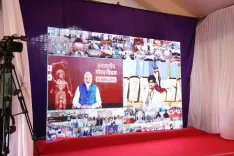
CM Vishnu Deo Sai offers Sandhya Arghya at Chhath in Jashpur
Synopsis
Chhattisgarh Chief Minister Vishnu Deo Sai participated in Chhath Puja at Tapkara in Jashpur district on 15 November 2026, offering Sandhya Arghya with his wife and invoking the blessings of Chhathi Maiya and Surya Narayan for the welfare of all Chhattisgarh residents.
Key Takeaways
CM Vishnu Deo Sai participated in Chhath Puja at Tapkara, Jashpur district on 15 November 2026 .
He offered Sandhya Arghya — the ritual evening offering to the setting sun — alongside his wife.
CM Sai prayed to Chhathi Maiya and Bhagwan Surya Narayan for the happiness, prosperity, and health of all Chhattisgarh residents.
Jashpur is a northern Chhattisgarh district with significant tribal and rural communities where Chhath is observed.
Chhath Puja, rooted in Bihar and Jharkhand, is observed across Chhattisgarh by migrant communities who have settled in the state.
As the setting sun touched the waters of Tapkara in Jashpur district, Chhattisgarh Chief Minister Vishnu Deo Sai stood alongside his wife to offer the evening ritual — sandhya arghya — marking one of the most sacred moments of the Chhath Puja festival on Sunday, 15 November 2026. The gesture carried the full weight of a state leader stepping into a community's most intimate act of faith.
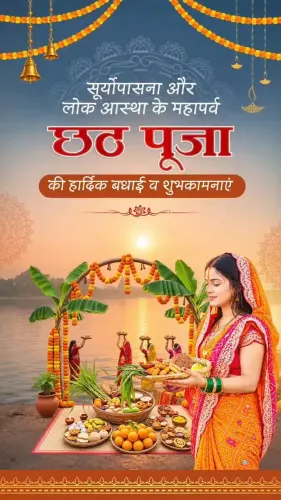
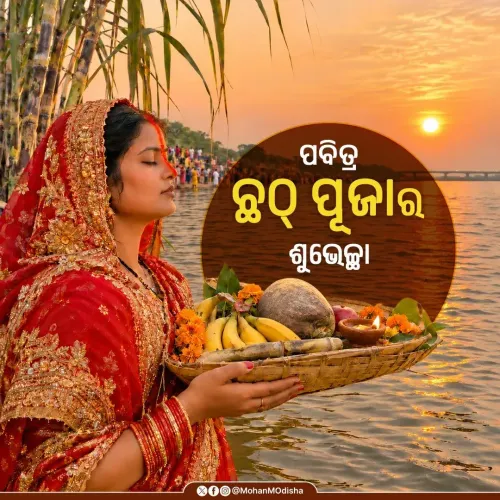
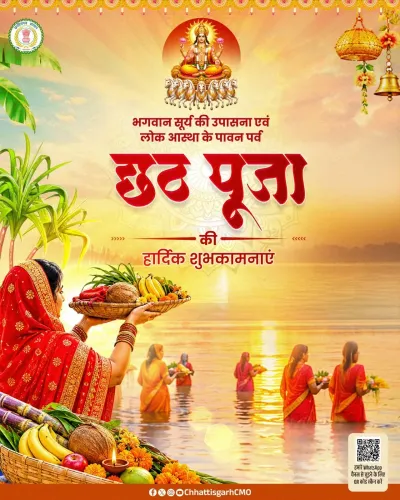
Posting on X, CM Sai described Chhath as 'lok aastha aur suryopasana ka mahapav' — 'the grand festival of public faith and sun worship' — calling it an 'incomparable ritual of devotion, surrender, and reverence.' He prayed to Chhathi Maiya and Bhagwan Surya Narayan for the happiness, prosperity, and good health of all residents of Chhattisgarh, closing with a wish that every family in the state may flourish.
Chhath in Chhattisgarh: faith that travels across borders
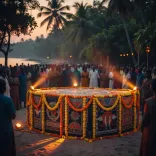
Chhath Puja is rooted most deeply in Bihar and Jharkhand, but decades of migration have carried the festival across India — including into Chhattisgarh, where communities from eastern India have made the state their home. Jashpur, a district in northern Chhattisgarh with a significant tribal and rural population, is among the districts where the four-day sun-worship festival draws large gatherings at rivers and water bodies each year.
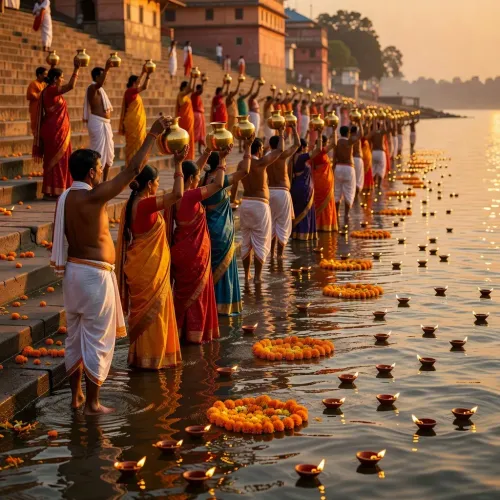
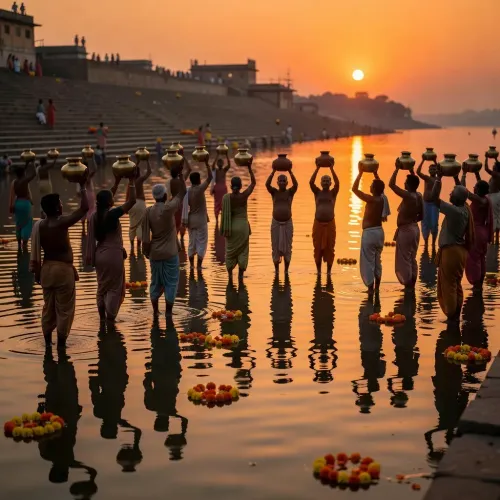
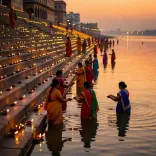
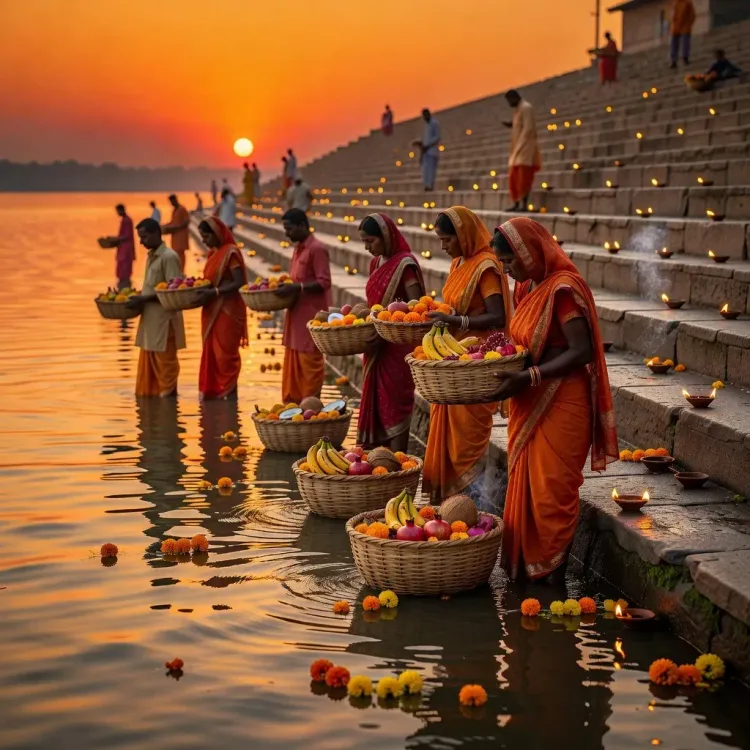
The ritual of arghya — the offering of water, fruits, and prayer to the rising and setting sun — is the festival's most visible and emotionally charged moment. Devotees stand waist-deep in water, holding bamboo baskets heaped with offerings, as the sky shifts from gold to amber. It is into this tableau that CM Sai arrived on Sunday evening, with his wife, to participate as a devotee rather than a dignitary.
A pattern of presence across Chhattisgarh's festival calendar
State leaders joining major regional festivals is a well-established practice in India — a signal of cultural respect and community engagement that cuts across party lines. CM Sai, who assumed office in December 2023, has continued this tradition through Chhattisgarh's dense festival calendar, which spans tribal, Hindu, and syncretic celebrations across the state's varied districts.
The choice of Jashpur — a northern, predominantly rural district — rather than the state capital for a high-visibility festival participation is itself a note worth reading: it places the Chief Minister in a grassroots setting, among communities for whom Chhath is a living, breathing practice rather than a civic occasion.
As the festival season in Chhattisgarh continues into the winter months, the rhythm of such participations is likely to hold — each one a small but deliberate act of connection between the state government and the communities it governs.
Point of View
Chhath participation also signals a cultural bridge to voters with roots in Bihar and Jharkhand, states that share borders and demographic links with Chhattisgarh. The choice of Jashpur specifically — a tribal-majority district — adds a layer of grassroots symbolism. Such gestures rarely alter policy, but they shape the softer architecture of political trust that state governments build over a full term.
NationPress
15 Nov 2026
Frequently Asked Questions
Where did CM Vishnu Deo Sai celebrate Chhath Puja in 2026?
CM Vishnu Deo Sai celebrated Chhath Puja at Tapkara in Jashpur district of northern Chhattisgarh on 15 November 2026, where he offered Sandhya Arghya alongside his wife.
What is Sandhya Arghya in Chhath Puja?
Sandhya Arghya is the ritual evening offering made to the setting sun during Chhath Puja. Devotees stand in water holding bamboo baskets of fruits and offerings and pray to Surya Narayan and Chhathi Maiya.
Is Chhath Puja celebrated in Chhattisgarh?
Yes, Chhath Puja is observed in Chhattisgarh, particularly by communities with roots in Bihar and Jharkhand who have settled in the state. Districts like Jashpur see active Chhath celebrations each year.
Who is Vishnu Deo Sai?
Vishnu Deo Sai is the Chief Minister of Chhattisgarh and a senior BJP leader. He assumed office in December 2023.
What did CM Sai pray for at Chhath Puja 2026?
CM Sai prayed to Chhathi Maiya and Bhagwan Surya Narayan for the happiness, prosperity, good health, and peace of all Chhattisgarh residents, and wished that every family in the state may flourish.