CM Vishnu Deo Sai joins Ras Garba Mahotsav in Raipur
Synopsis
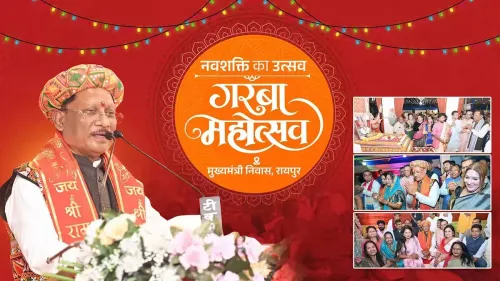
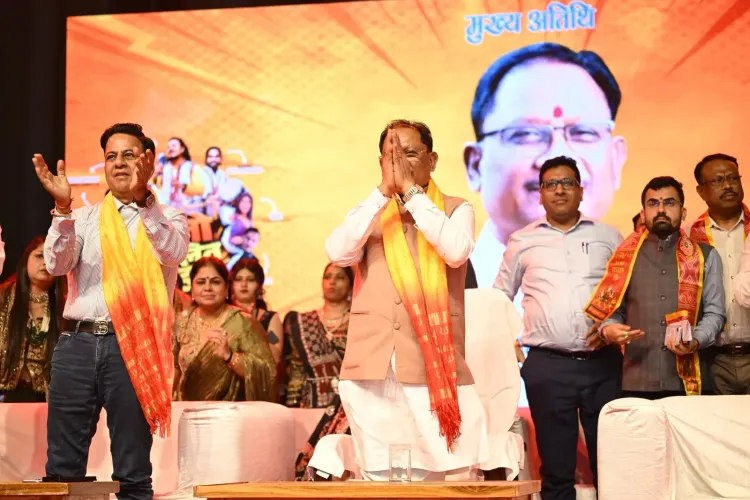
Chhattisgarh Chief Minister Vishnu Deo Sai attended the Ras Garba Mahotsav at Lalit Mahal in Raipur on 19 October 2026, calling the Sharadiya Navratri event a confluence of devotion and cultural spirit that strengthens unity and harmony in society.
Key Takeaways
CM Vishnu Deo Sai attended the Ras Garba Mahotsav at Lalit Mahal, Raipur on 19 October 2026 .
The event was held on the occasion of Sharadiya Navratri , the autumn nine-night festival dedicated to Goddess Durga.
Sai described the gathering as a 'beautiful confluence of devotion, enthusiasm, and cultural spirit.' He emphasised that such events preserve cultural heritage and reinforce love, unity, and social harmony.
The post was tagged #CGNavratri2026 and #महतारी_का_सम्मान , linking festival participation to the state's Mahtari welfare communication.
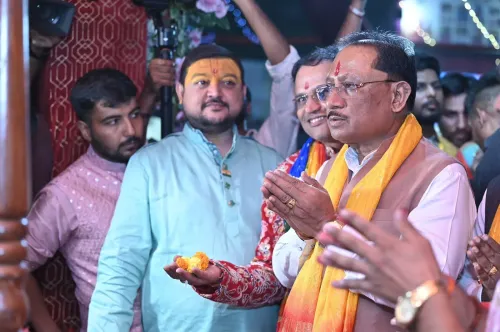
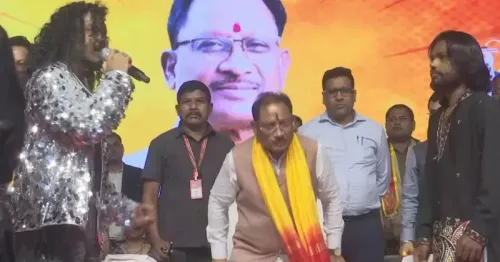
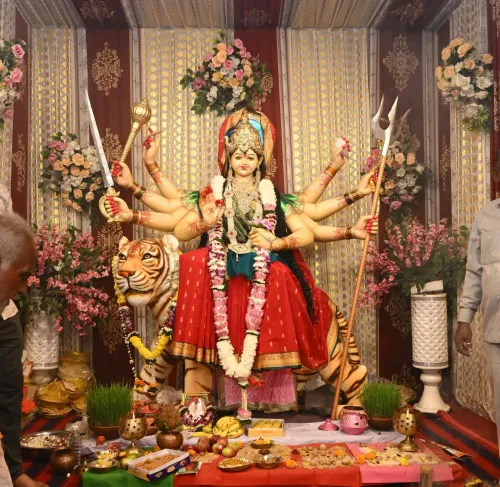
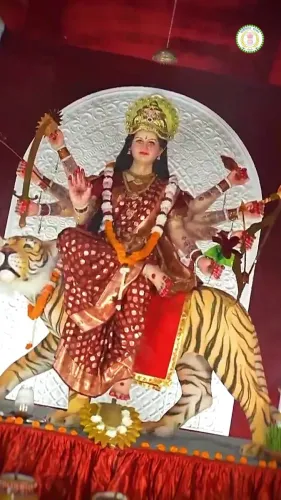
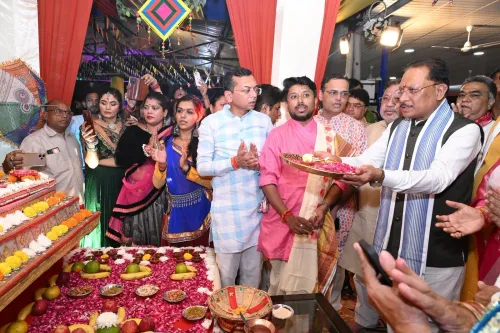
Devotion, colour, and the rhythmic thunder of garba filled Lalit Mahal, Raipur, as Chhattisgarh Chief Minister Vishnu Deo Sai became part of the Sharadiya Navratri celebrations on Monday, 19 October 2026 — a night where faith and folk tradition met on the same dance floor.
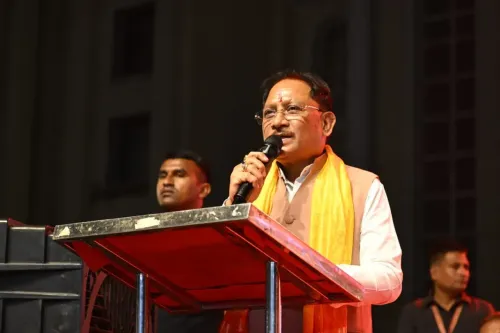
Posting on X after the event, CM Sai wrote: 'शारदीय नवरात्रि के पावन अवसर पर रायपुर के ललित महल में आयोजित रास गरबा महोत्सव में भक्ति, उमंग और सांस्कृतिक उत्साह के सुंदर संगम का साक्षी बना' — 'I witnessed a beautiful confluence of devotion, enthusiasm, and cultural spirit at the Ras Garba Mahotsav held at Lalit Mahal, Raipur, on the sacred occasion of Sharadiya Navratri.' He added that such events not only preserve cultural heritage but also strengthen love, unity, and harmony in society.
Garba at Lalit Mahal: faith meets folk dance
The Ras Garba Mahotsav is one of Navratri's most visible community rituals — a tradition where devotional song and circular folk dance merge into a single act of collective worship. Held at Lalit Mahal in the state capital, the event drew devotees from across the city, turning the venue into a swirl of colour and chanting during the autumn festival season.
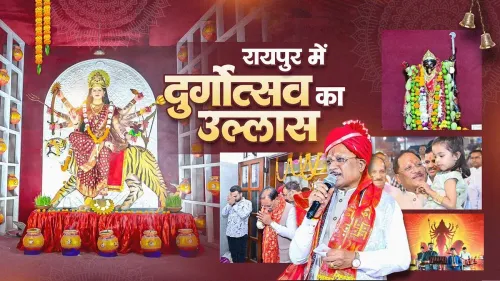
Navratri, the nine-night celebration dedicated to Goddess Durga, anchors the cultural calendar across India every autumn. In Chhattisgarh, state-organised programmes during this period carry special resonance, blending local folk identity with the broader national tradition of goddess worship.
Cultural stewardship as a governing signal
Chief ministers across India routinely participate in landmark festivals — it is both a civic gesture and a statement about regional identity. For CM Sai, tagging the post with #CGNavratri2026 and #महतारी_का_सम्मान (Respect for the Mother) points to a deliberate framing: honouring feminine divinity during Navratri as an extension of the state's 'Mahtari' (mother) welfare vocabulary already embedded in Chhattisgarh's policy communication.
The event underscores the government's positioning of cultural festivals as instruments of social cohesion — a recurring theme in state outreach ahead of the Diwali season.
Point of View
Expect the government's festival-participation optics to intensify.
NationPress
19 Oct 2026
Frequently Asked Questions
Where was the Ras Garba Mahotsav held in Raipur?
The Ras Garba Mahotsav was held at Lalit Mahal in Raipur, the capital of Chhattisgarh, during Sharadiya Navratri 2026.
Why did CM Vishnu Deo Sai attend the Navratri garba event?
CM Sai attended to participate in the cultural and devotional celebrations of Sharadiya Navratri, and stated that such events preserve cultural heritage while strengthening social unity and harmony.
What is Sharadiya Navratri?
Sharadiya Navratri is the nine-night autumn festival dedicated to Goddess Durga, observed with devotional worship and cultural programmes across India, typically in October.
What does the hashtag Mahtari ka Samman mean?
'Mahtari ka Samman' translates to 'Respect for the Mother' in Chhattisgarhi-Hindi, and is associated with the Chhattisgarh government's welfare and cultural outreach framing around women and motherhood.
What events is Chhattisgarh organising after Navratri 2026?
The Chhattisgarh government is expected to organise further state cultural programmes during the upcoming Diwali season, continuing its pattern of festival-linked community events.