CM Vishnu Deo Sai joins Raipur Garba celebrations for Navratri 2026
Synopsis
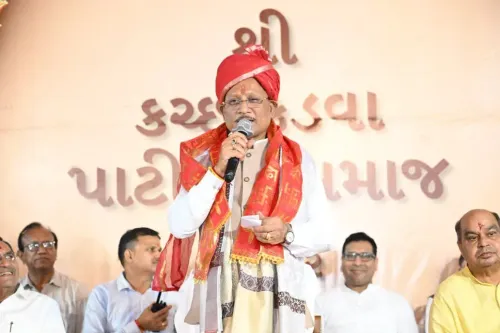
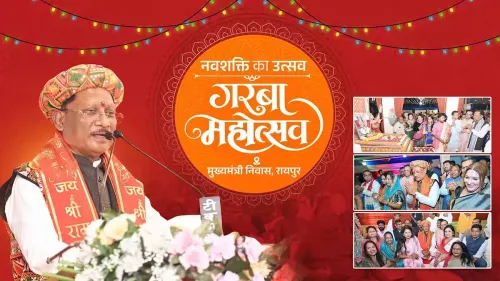
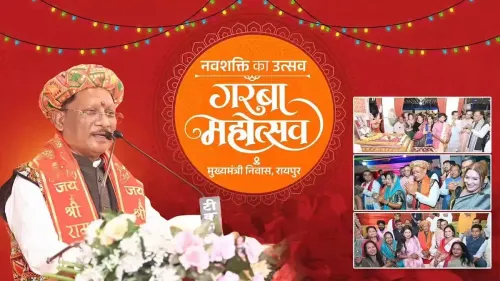
Chhattisgarh Chief Minister Vishnu Deo Sai joined multiple Garba Mahotsavs in Raipur on 18 October 2026 during Navratri, calling the festival a celebration of faith, social harmony, and respect for women as embodiments of Shakti.
Key Takeaways
CM Vishnu Deo Sai participated in Garba Mahotsavs at multiple venues across Raipur on 18 October 2026 .
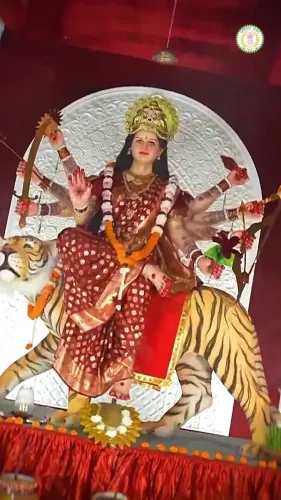
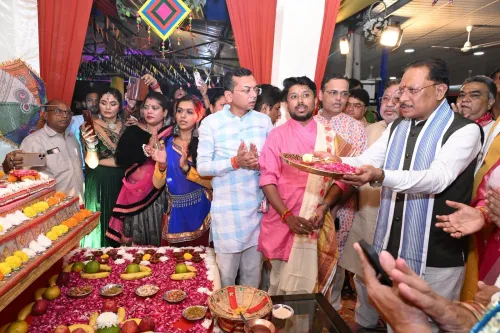
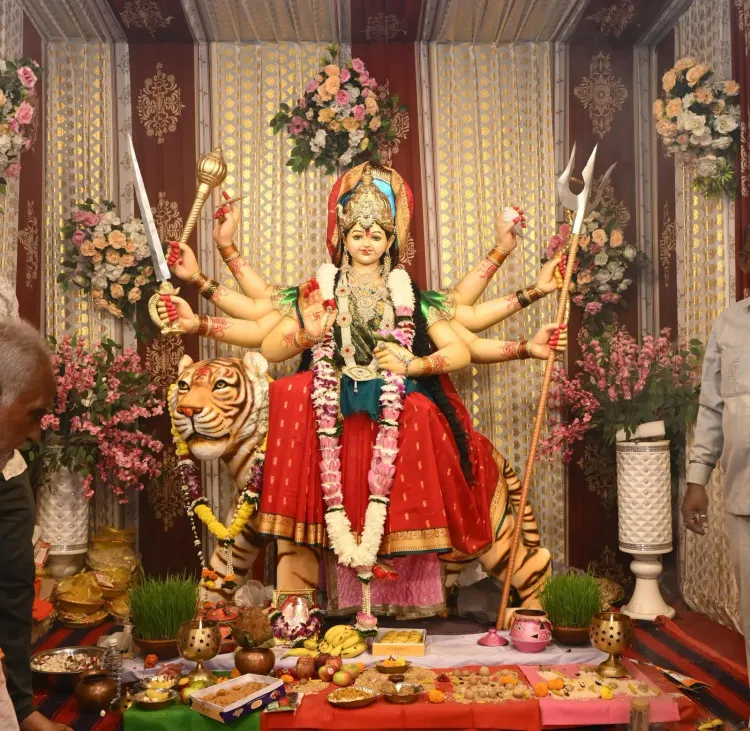
He offered prayers to Maa Adishakti and shared Navratri festivities with devotees.
Sai described Garba as 'a beautiful expression of faith, culture, and social harmony' — not merely a celebration.
The post's hashtags — #महतारी_का_सम्मान and #महतारी_के_मान — invoke the Chhattisgarhi word for 'mother', signalling the state government's emphasis on women's honour.
BJP-led state governments have consistently promoted Navratri and Garba as platforms for cultural outreach and public engagement.
Sai closed with a prayer for 'happiness, prosperity, and well-being' for all, signing off with the traditional Jai Mata Di .
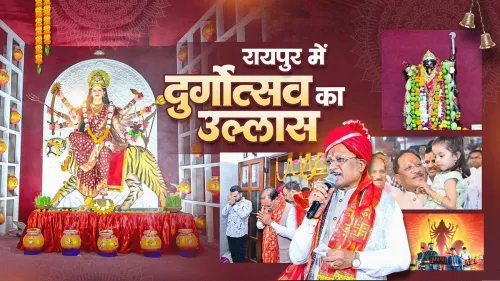
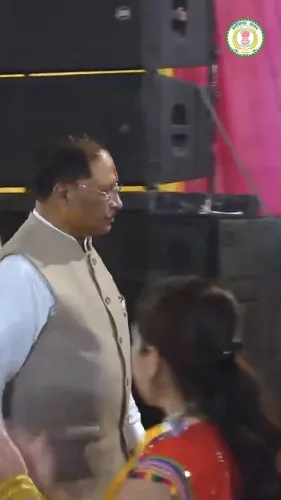
Drums, devotion, and the whirl of a thousand diyas — Chhattisgarh Chief Minister Vishnu Deo Sai stepped into the festive heart of Raipur on Sunday, 18 October 2026, joining multiple Garba Mahotsavs held across the state capital and offering prayers to Maa Adishakti alongside thousands of devotees during Navratri 2026.
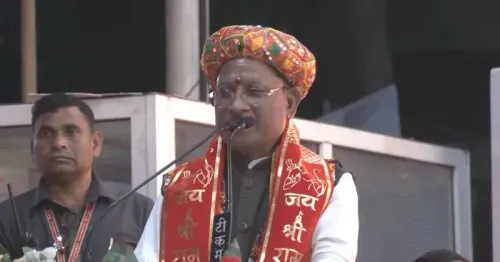
Sharing his participation on X, CM Sai wrote — 'Maa Adishakti ki aradhana, Garba ki lay aur utsav ka ullas' — capturing the mood of worship, rhythm, and jubilation. He called Garba far more than a celebration: 'a beautiful expression of our faith, culture, and social harmony,' and described the festival as carrying the message of respect for women as embodiments of Shakti, while connecting each new generation to India's rich traditions.
Garba as a cultural and spiritual statement
Navratri — the nine-night Hindu festival dedicated to the worship of the goddess in her many forms — is among the most widely observed festivals across India, with Garba as its signature devotional dance. Originating in Gujarat, Garba has spread across Indian states as both a spiritual ritual and a community celebration, drawing participants from all age groups into concentric circles of song and movement.
CM Sai's emphasis on the festival's role in conveying 'respect for women as Shakti' echoes a consistent cultural messaging thread that BJP-led state governments have woven into Navratri programming. The post's hashtags — #CGNavratri2026, #महतारी_का_सम्मान (Mahtari ka Samman, meaning 'honour of the mother'), and #महतारी_के_मान — are particularly notable. In Chhattisgarhi dialect, mahtari means 'mother', and the phrasing aligns with the state government's existing flagship scheme for women.
BJP's Chhattisgarh and the politics of festival participation
Across India's states, elected leaders routinely participate in major religious and cultural festivals — but the scale and visibility of that participation has grown sharply in recent years. For Chief Minister Sai, who assumed office in December 2023 after the BJP swept back to power in Chhattisgarh, such appearances serve a dual purpose: reinforcing cultural identity and keeping government visible at the community level.
The Garba circuit in Raipur during Navratri draws devotees from across the Chhattisgarh belt, making it a natural platform for public engagement. Sai's message closed with a prayer to Maa Adishakti for 'happiness, prosperity, and well-being for all' — the traditional Jai Mata Di sign-off anchoring the personal with the political.
As the festival calendar moves toward Dussehra, all eyes will be on whether the state announces further cultural programming or heritage initiatives — Navratri, after all, has a way of setting the tone for everything that follows.
Point of View
Less than three years into a fresh BJP term in Chhattisgarh. The deployment of the mahtari (mother) framing in the hashtags is deliberate: it ties Navratri's goddess-worship symbolism directly to the state's women-welfare narrative, reinforcing brand consistency across religious and policy messaging. For a party that has made festival participation a cornerstone of grassroots presence, Navratri events are not optional appearances — they are the primary arena. Whether this cultural energy translates into concrete heritage or women-welfare announcements in the weeks ahead will be the real test.
NationPress
18 Oct 2026
Frequently Asked Questions
Where did CM Vishnu Deo Sai celebrate Navratri in 2026?
CM Vishnu Deo Sai attended multiple Garba Mahotsavs held at various venues across Raipur, the capital of Chhattisgarh, on 18 October 2026.
What did CM Sai say about Garba during Navratri?
He described Garba as 'a beautiful expression of faith, culture, and social harmony' that conveys respect for women as embodiments of Shakti and connects new generations to India's rich traditions.
What does 'Mahtari' mean in the Navratri hashtags used by CM Sai?
'Mahtari' is the Chhattisgarhi word for 'mother'. The hashtags #महतारी_का_सम्मान and #महतारी_के_मान reflect the state government's emphasis on honouring women and align with existing women-welfare schemes in Chhattisgarh.
When did Vishnu Deo Sai become Chief Minister of Chhattisgarh?
Vishnu Deo Sai assumed office as Chief Minister of Chhattisgarh in December 2023 after the BJP won the state assembly elections.
What is the significance of Garba during Navratri?
Garba is a traditional devotional dance performed during the nine-night Navratri festival in honour of Goddess Adishakti/Durga. It originated in Gujarat and is now celebrated widely across India as both a spiritual ritual and a community cultural expression.